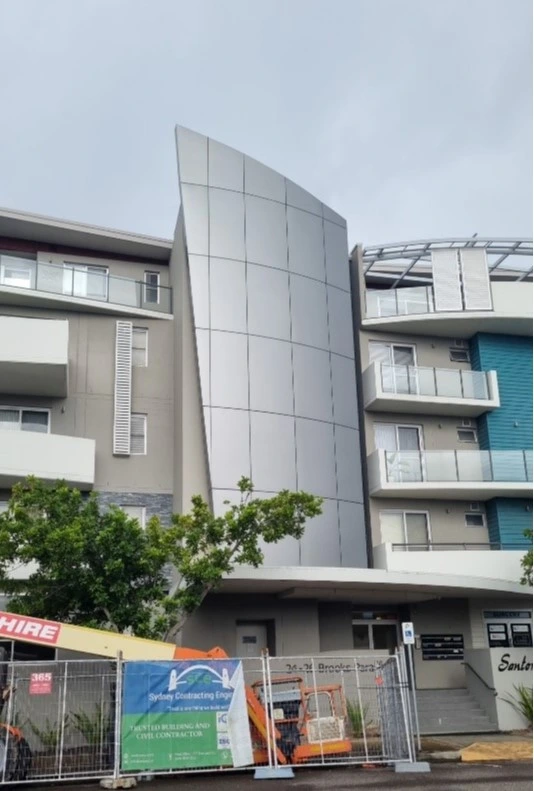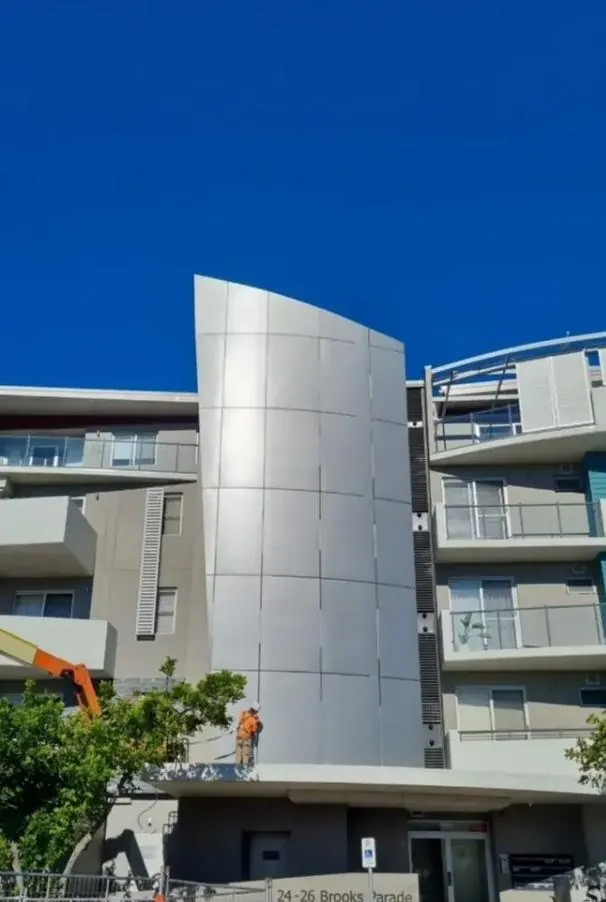
Combustible Cladding Risk Management | Ensuring Safety from Design to Completion
Addressing combustible cladding NSW issues requires the involvement of DBP accredited professionals to ensure each stage from assessment to replacement adheres to strict compliance protocols. SCE Corp follows recognised fire compliance building standards such as AS 5113 and AS 1530.1 to guarantee the highest levels of fire resistance and safety performance. Every recladding safety procedure is carried out to protect occupants, ensure insurance eligibility and achieve long term regulatory compliance. Our multidisciplinary team provides design validation, certification and ISO audited quality assurance, ensuring every façade project meets Australian safety and performance benchmarks. For further details, please refer to combustible cladding NSW, fire compliance building , recladding safety.
The Importance of Planning and Collaboration
The success of any combustible cladding NSW replacement project depends on meticulous planning, communication and collaboration across every phase. This process involves coordinated efforts between architects, façade engineers, fire engineers and construction contractors to deliver a compliant and safe result.
This article outlines the critical components of the pre construction, construction and post construction stages of a recladding project highlighting roles, responsibilities and required documentation. By understanding the full process of fire compliance building and replacement, project teams can maintain safety, efficiency and regulatory integrity throughout. Proper management at each stage ensures the completed façade system meets strict recladding safety and certification standards. For further details, please refer to combustible cladding NSW, fire compliance building , recladding safety.
Section 1: Pre Construction Phase of Combustible Cladding Replacement
Understanding the Pre Construction Stage
The pre construction stage lays the foundation for project success. It involves detailed design planning, on site assessments and compliance verification to identify and address risks before works begin. During this stage, the architect, façade engineer and fire engineer collaborate closely with SCE Corp to ensure that all documentation, procedures and safety strategies align with combustible cladding NSW regulations and fire compliance building requirements. For further details, please refer to combustible cladding NSW, fire compliance building , recladding safety.
Initial Documentation Review
The first step of the pre construction phase involves reviewing architectural drawings, previous inspection reports and compliance documentation. This review, performed jointly by SCE Corp, the façade engineer, architect and fire engineer, establishes a shared understanding of the project’s scope and objectives. The goal is to identify potential challenges early such as fire rating gaps, material incompatibilities or design conflicts and ensure alignment on safety expectations before moving forward with recladding safety operations. For further details, please refer to combustible cladding NSW, fire compliance building , recladding safety.
Importance of Site Visit and Inspection
An on site inspection is a vital component of the combustible cladding NSW pre construction process. The fire engineer visits the site to assess the existing façade system and identify visible fire safety concerns. These findings are used to refine the design and develop targeted risk mitigation strategies. Early inspections also help identify any compliance discrepancies that may affect the subsequent construction and certification phases, ensuring the fire compliance building process proceeds smoothly. For further details, please refer to combustible cladding NSW, fire compliance building , recladding safety.
Assessing Existing Substructure Conditions
A key task during the pre construction phase is the examination of the existing substructure following the removal of test panels. This inspection, conducted by the façade engineer, involves:
-
Evaluating substructure details and anchor points
-
Checking for corrosion or structural deterioration
-
Identifying waterproofing or moisture control issues
This analysis ensures that the existing framework can safely accommodate the new recladding safety system without structural compromise. Detecting and resolving potential issues early prevents costly rework during construction and ensures compliance with fire compliance building standards before installation begins. For further details, please refer to combustible cladding NSW, fire compliance building , recladding safety.
Façade Assessment: A Multi Faceted Approach
A thorough façade assessment is a crucial first step in ensuring that a combustible cladding NSW project meets all safety and compliance requirements. Conducted by a qualified façade engineer, this process evaluates the current condition of the building’s exterior to identify risks, performance issues and necessary design improvements. The assessment includes:
-
Thermal performance: Ensuring that the façade system contributes to the building’s energy efficiency.
-
Condensation risks: Detecting potential moisture accumulation within the wall cavity or cladding system.
-
Waterproofing: Reviewing the adequacy of current waterproofing measures to prevent leaks and deterioration.
-
Substructure conditions: Assessing the stability and load bearing capacity of the façade’s supporting framework.
This comprehensive review ensures that the façade design is suited to environmental, thermal and structural demands while maintaining long term fire compliance building standards. For further details, please refer to combustible cladding NSW, fire compliance building , recladding safety.
Specification of Materials
Material specification is one of the most important aspects of the pre construction stage. SCE (Accredited DBP Practitioner) is responsible for nominating materials that comply with the National Construction Code (NCC) and relevant Australian Standards. All chosen products must meet durability, thermal, acoustic and recladding safety requirements. For combustible cladding NSW projects, only non combustible or fire rated materials are approved to ensure ongoing compliance and performance integrity. For further details, please refer to combustible cladding NSW, fire compliance building , recladding safety.
Architectural Plans and Specifications
The architect develops detailed design documentation that guides every stage of façade replacement. This includes:
-
Site plans
-
Floor plans
-
Wall and joint details
-
Elevations
-
Cross sectional drawings illustrating façade components and interfaces
Accurate documentation ensures clarity between the façade engineer, fire engineer and construction team, reducing the risk of delays or design conflicts during the fire compliance building process.
Assessing Structural Stability and Loading
The façade engineer conducts detailed load testing and analysis to confirm that the substructure can safely support the new cladding system. These calculations verify that all materials meet safety margins, withstanding wind loads, weight distribution and external environmental factors. This structural review is essential to the recladding safety process and ensures the façade performs reliably under operational conditions. For further details, please refer to combustible cladding NSW, fire compliance building , recladding safety.
Façade Concept and Detailed Design
After completing the structural and material assessments, the façade engineer develops a façade concept design that defines the appearance, performance and overall functionality of the new cladding system. This concept is followed by a detailed design that includes:
-
Collaborative design workshops (in person or online)
-
Comprehensive sketches, renderings and 3D visualisations
These sessions align architects, engineers and contractors on the project’s vision and compliance goals, ensuring that combustible cladding NSW works proceed with precision and accountability. For further details, please refer to combustible cladding NSW, fire compliance building , recladding safety.
Reviewing the New Cladding Material
The fire engineer carefully evaluates the proposed cladding materials and their interaction with the primary wall structure. This step ensures full alignment with fire compliance building requirements. Material data sheets, laboratory test reports and installation methods are reviewed to confirm that each element contributes to overall recladding safety and meets NCC verification methods for fire performance.
Fire Engineering Design and Compliance Review
Fire safety remains the cornerstone of any façade replacement project. The fire engineer prepares a Performance Based Design Brief (PBDB) and a Fire Engineering Report (FER), detailing the project’s fire safety strategy. These documents verify that the façade meets or exceeds the fire performance standards required for combustible cladding NSW works.
Additionally, a Fire Engineering Compliance Statement is prepared to certify that the design, materials and installation methods meet Australian fire safety regulations and industry best practices.
Design Compliance and Certification
Before construction begins, both the architect and façade engineer issue their Design Compliance Statements and Certificates. These documents confirm that the project complies with all relevant codes, including the NCC and fire compliance building standards. This certification step ensures that the design phase concludes with complete regulatory approval and that all recladding safety procedures can progress confidently into construction. For further details, please refer to combustible cladding NSW, fire compliance building , recladding safety.
Site Management Procedures
Proper site management procedures are crucial for maintaining safety and quality control during construction. SCE (Accredited DBP) is responsible for preparing:
- A construction site plan detailing the layout of the site
- A safety management plan that outlines safety protocols for workers and site visitors
- A quality management plan to ensure the construction meets all required standards
- An environmental management plan that addresses how the project will minimise its environmental impact
By developing comprehensive management plans, SCE ensures that the construction process will be safe, efficient and environmentally conscious. For further details, please refer to combustible cladding NSW, fire compliance building , recladding safety.
NSW Planning Portal Submission
Once all documentation and designs are complete, the architect and SCE (Accredited DBP) collaborate to submit the regulated design set to the NSW Planning Portal for approval. This step is essential for obtaining the necessary permits and authorisations before construction can commence. The planning portal submission includes architectural drawings, material specifications and compliance reports from the fire and façade engineers.
In the next section, we will delve into the construction phase, covering the practical steps involved in the execution of a project and the responsibilities of the key stakeholders during this critical stage. For further details, please refer to combustible cladding NSW, fire compliance building , recladding safety.
Section 2: The Construction Phase – Bringing Plans to Reality
Navigating Combustible Cladding Replacement During the Construction Phase
The construction phase marks the transformation of meticulous planning into practical execution. At this stage, the collaborative efforts of Sydney Contracting Engineers (SCE), architects, façade engineers and fire safety specialists ensure that every component of the combustible cladding NSW replacement process meets rigorous fire compliance building standards. Coordination, precision and ongoing quality control are essential to guarantee that materials, installation methods and performance outcomes align with approved design documentation and regulatory frameworks. The focus remains on delivering a safe, compliant and efficient recladding safety outcome for every structure involved. For further details, please refer to combustible cladding NSW, fire compliance building , recladding safety.
Road Occupancy Licence and Type A Hoarding Applications
Before physical works can commence, SCE secures the necessary approvals to ensure legal compliance and public safety. A Road Occupancy Licence is obtained when work impacts public roads, ensuring minimal disruption to traffic flow. In parallel, a Type A Hoarding Application is lodged to install safety barriers that protect pedestrians and neighbouring properties throughout construction. These early administrative measures form a critical foundation for compliance and safe execution of combustible cladding NSW replacement works. For further details, please refer to combustible cladding NSW, fire compliance building , recladding safety.
Pre Construction Preparations and Site Mobilization | Pre Construction Dilapidation Report
A detailed pre construction dilapidation report is conducted by SCE to record the condition of surrounding structures, pavements and adjacent buildings prior to the start of recladding safety works. This document establishes a clear baseline, identifying any existing damage and protecting stakeholders from potential disputes during or after the combustible cladding NSW replacement process. Accurate documentation at this stage ensures transparency, minimises liability and supports smooth project delivery.
Site Mobilization and Resource Management
Following the approval stage, SCE mobilises the site by delivering and organising essential materials, tools and equipment. This includes setting up:
-
Site offices
-
Secure tool and material storage zones
-
Protective hoarding and safety barriers
In addition, SCE oversees the supply of consumables, signage and site infrastructure required to maintain efficiency and safety throughout the fire compliance building process. For further details, please refer to combustible cladding NSW, fire compliance building , recladding safety.
Utility Surveying and Locating Services
Before any installation or removal begins, SCE conducts thorough utility surveying to detect underground services such as water, gas, telecommunications and electrical lines. This essential safety procedure prevents damage to existing infrastructure and ensures that all recladding safety activities are carried out without risk to surrounding assets or personnel. By verifying site conditions in advance, SCE ensures the construction phase proceeds safely, efficiently and in full compliance with industry regulations. For further details, please refer to combustible cladding NSW, fire compliance building , recladding safety.
Installation and Testing of Access Methods | Engineering and Mobilization of Access Systems
Throughout each combustible cladding NSW project, SCE Corp maintains full control over access system management to ensure safety, efficiency and compliance with fire compliance building standards. This includes:
-
Hiring, setup and relocation of scaffolding and access systems as required during each stage of the façade works.
-
Safe dismantling and demobilisation once installation is complete and all inspections have been finalised.
By managing every stage of access system logistics, SCE ensures minimal disruption to occupants and surrounding areas while maintaining the highest standards of worker and site safety. For further details, please refer to combustible cladding NSW, fire compliance building , recladding safety.
Removal of Existing Façade and Cladding Materials
A crucial stage in every recladding safety project is the safe and controlled removal of non compliant façade and cladding materials. SCE adheres to rigorous environmental, safety and compliance protocols to ensure all works align with combustible cladding NSW disposal regulations and fire compliance building standards.
This phase involves:
-
Safe Dismantling: Careful removal of façade panels, framing and fixings to prevent damage to the underlying structure.
-
Responsible Waste Segregation: Sorting and certified disposal of non compliant materials in accordance with NSW environmental and fire safety requirements.
-
Secure Handling: Proper on site storage or transportation of reusable façade components for recycling or refurbishment.
Through these meticulous procedures, SCE guarantees full material traceability, environmental responsibility and compliance with EPA and fire compliance building guidelines, ensuring a safe and sustainable recladding process. For further details, please refer to combustible cladding NSW, fire compliance building , recladding safety.
Inspection and Modification of the Substructure
Repairing the Substructure
After removal, SCE conducts a detailed inspection of the existing substructure, including all framing, sub frames, insulation and waterproofing layers. If corrosion, structural fatigue or waterproofing issues are detected, corrective measures are implemented immediately.
All rectification work is performed to meet recladding safety and fire compliance building standards, ensuring the framework can fully support the new façade system.
Façade Engineer Site Inspection
At this stage, the façade engineer performs a thorough site inspection to confirm that the substructure is structurally sound, level and ready for installation. This ensures that no misalignments or material defects compromise the performance of the combustible cladding NSW replacement system. For further details, please refer to combustible cladding NSW, fire compliance building , recladding safety.
Supply and Installation of Replacement Systems | Installing Replacement Framing and Insulation
Once the substructure has been repaired and approved, SCE supplies and installs the essential support components for the façade system, including:
-
Replacement framing and sub frames
-
Sarking (protective membranes) for weatherproofing
-
High performance insulation to meet acoustic and thermal requirements
Each installation is carried out with precision to ensure maximum durability, compliance and alignment with NCC and fire compliance building specifications.
Installing New Cladding Materials
With the substructure fully prepared, SCE proceeds to the installation of new, certified cladding materials. This stage is central to both the performance and visual appeal of the building.
All cladding products are:
-
Tested and approved for combustible cladding NSW compliance.
-
Installed in accordance with approved architectural plans and façade engineer documentation.
-
Integrated seamlessly to ensure structural integrity and optimal recladding safety performance.
Through careful execution, SCE ensures that every façade delivers not only aesthetic refinement but also long term protection, durability and verified fire compliance building standards. For further details, please refer to combustible cladding NSW, fire compliance building , recladding safety.
On Site Inspections and Quality Assurance
Fire Engineer Oversight
During the construction phase, the fire engineer conducts scheduled site inspections to oversee the delivery, installation and integration of new cladding systems. These inspections verify that the combustible cladding NSW replacement materials meet certified fire compliance building standards and that their interface with the existing wall structure is properly sealed and secure. Each inspection ensures the façade performs to code and aligns with the project’s approved fire engineering strategy, reinforcing both compliance and occupant safety.
Quality Testing and Performance Validation
SCE implements a rigorous testing process to confirm that every façade component functions according to design intent and performance specifications. This validation phase includes checks for:
-
Waterproofing performance and moisture protection
-
Thermal insulation efficiency
-
Structural stability and anchorage strength
By verifying these criteria, SCE ensures that the new façade system achieves both technical excellence and long term recladding safety.
Reinstatement of Façade Elements
Once the installation is complete, SCE reinstates any removed façade elements such as windows, vents or architectural features. Each element is carefully handled to prevent damage and integrated seamlessly with the new cladding system. This stage restores the building’s appearance and functionality, ensuring that the combustible cladding NSW replacement enhances both safety and visual quality.
Post Construction Clean Up and Final Presentation
Fire Safety Upgrades
Where required, SCE installs additional fire protection systems to ensure full compliance with the latest Australian Standards. These enhancements may include:
-
Fire resistant seals and barriers
-
Smoke containment systems
-
Fire rated façade components
These upgrades reinforce fire compliance building standards, improving the overall safety, performance and resilience of the structure against fire hazards.
Access System Demobilisation and Site Clean Up
After all façade works are finalised, SCE manages the safe dismantling and removal of scaffolding, hoarding and other access systems. The site is demobilised systematically, with waste materials responsibly disposed of and all areas restored to a clean, professional condition. This final step marks the transition from construction to the post completion phase of recladding safety works.
Post Construction Dilapidation Report
SCE prepares a comprehensive post construction dilapidation report to document the condition of all surrounding areas, including pathways, adjacent structures and public spaces. This report serves as an official comparison against the pre construction documentation, ensuring that no unintentional damage occurred during combustible cladding NSW replacement works. It provides clear evidence for stakeholders and mitigates potential disputes following project completion.
Finalising the Construction Phase
Successful completion of the construction phase is the result of precise coordination, quality assurance and strict adherence to safety protocols. By maintaining alignment with fire compliance building regulations and industry best practices, SCE ensures a seamless transition into the final post construction phase where testing, documentation and certification confirm that the building is safe, compliant and ready for occupation. For further details, please refer to combustible cladding NSW, fire compliance building , recladding safety.
Once all inspections and certifications are complete, SCE undertakes a final site clean up to ensure the area is left in pristine condition. The building is then formally presented to the client with all necessary documentation, certifications and performance reports. For further details, please refer to combustible cladding NSW, fire compliance building , recladding safety.
Delivering Comprehensive Documentation
At the conclusion of every combustible cladding NSW project, a complete documentation package is provided to the client. This package confirms that all work has been carried out in accordance with fire compliance building regulations and relevant Australian Standards. It includes:
-
Final Compliance Certification – Verifying that the façade system meets fire safety and NCC requirements.
-
Façade Engineer Design Certificate – Confirming the façade’s structural stability and long term performance.
-
Site Inspection Reports – Recording the façade’s final condition following recladding safety works.
-
Material Specifications – Detailing approved materials and their fire and weather performance ratings.
-
Maintenance Guidelines – Outlining recommended care, inspection schedules and upkeep procedures for sustained performance.
This documentation ensures complete transparency, providing building owners with the essential records and knowledge to maintain façade safety and compliance over time.
Importance of a Post Construction Maintenance Plan
Completing façade works marks the end of construction, but maintaining recladding safety and fire compliance building standards requires ongoing care. A structured maintenance plan is essential for long term safety and performance, including:
- Routine Inspections: Regular assessments to detect signs of wear, corrosion or material fatigue.
- Scheduled Cleaning: Maintaining the façade’s appearance while preventing residue buildup that may affect durability.
- Fire System Monitoring: Ensuring all fire resistant components remain compliant with current combustible cladding NSW regulations.
By adopting a proactive maintenance plan, building owners can extend façade lifespan, minimise repair costs and maintain full compliance with NSW safety standards.
How SCE Delivers Exceptional Results
Sydney Contracting Engineers (SCE) is renowned across NSW for delivering high quality combustible cladding replacement projects that prioritise compliance, safety and precision.
- Compliance and Safety: SCE adheres strictly to NSW building codes, NCC fire safety requirements and ISO quality management systems.
- Collaboration: Every project is executed through seamless teamwork between architects, façade engineers and fire engineers.
- Precision and Expertise: From design validation to installation and handover, each stage is managed with meticulous attention to recladding safety and technical excellence.
This integrated approach ensures every façade system is durable, visually refined and fully compliant with fire compliance building standards.
Why Post Construction Compliance Matters
Post construction compliance is vital for the long term success and safety of combustible cladding NSW replacement projects. It guarantees:
- Safety: Final certifications verify fire resistance, structural integrity and occupant protection.
- Legal Assurance: Compliance prevents potential fines and costly rectifications.
- Property Value: A compliant façade enhances both the building’s longevity and market value.
- Peace of Mind: Owners can rest assured knowing their property meets the highest standards of safety, performance and recladding safety compliance.
The Benefits of Working with SCE
Partnering with Sydney Contracting Engineers provides unmatched reliability and expertise in façade replacement and recladding safety works.
End to End Project Management
From the initial design and documentation stage to post construction certification, SCE manages every detail of your façade project, ensuring a streamlined, compliant and stress free process.
Expertise Across Key Disciplines
Our integrated team of façade engineers, architects and fire safety specialists collaborates closely at every phase to maintain fire compliance building excellence and achieve superior project outcomes..
Focus on Safety and Compliance
We prioritise safety through rigorous inspections, testing and adherence to all NSW building laws and SafeWork Australia guidelines.
High Quality Outcomes
Through the use of premium materials, advanced techniques and industry leading expertise, SCE ensures every combustible cladding replacement project meets the highest standards of fire compliance building and recladding safety. The result is a façade system that delivers exceptional aesthetics, durability and long term performance.
Conclusion
The pre construction, construction and post construction phases form the foundation of every successful façade replacement or repair project. Each stage requires precision, collaboration and expert execution to achieve a safe and fully compliant outcome.
Sydney Contracting Engineers, working closely with architects, façade engineers and fire engineers, ensures every phase from initial assessment to final compliance certification aligns with NSW building and fire safety regulations.
By partnering with SCE, clients gain a trusted team dedicated to delivering recladding safety, long lasting performance and enhanced building value through excellence in combustible cladding replacement.
Ready to Transform Your Façade?
If you’re considering a façade replacement or remedial project, Sydney Contracting Engineers is here to help. Contact us today to learn more about our comprehensive façade solutions or explore resources like NSW Government Façade Safety Regulations.
Transform your building with confidence – choose SCE for excellence, safety and lasting results.
For more updates and insights, visit our blog regularly or speak with one of our experts about your façade project. Sydney Contracting Engineers – Building the future, one façade at a time. For further details, please refer to combustible cladding NSW, fire compliance building , recladding safety.
Responsibilities and Deliverables for Replacing Combustible Cladding Across Pre Construction, Construction and Post Construction Phases
Pre Construction Phase
| Item | Description | Responsible |
| 1 | Initial documentation review | Architect Façade Engineer Fire Engineer SCE |
| 2 | Site visit and inspection | Fire Engineers |
| 3 | Inspection of removed panel and review of existing system 1.Details of the substructure 2.Condition of the substructure in terms of corrosion. 3. Any potential issues with waterproofing |
Façade Engineer |
| 4 | Façade assessment Thermal Condensation Waterproofing Substructure |
Façade Engineer |
| 5 | Material specifications | SCE (Accredited DBP) |
| 6 | Architectural plans, drawings and specifications Site Plan Floor plans Wall details Elevations Cross section showing details of the cladding |
Architect |
| 7 | Assessment of the structural stability of the substructure Loading assessment |
Façade Engineer |
| 8 | Façade concept design | Façade Engineer |
| 9 | Façade detail design SCE (Accredited DBP) design workshops (online or in Sydney) Detailed sketches for façade items |
Façade Engineer |
| 10 | Review the new cladding material and interface of the cladding with the primary wall structure | Fire Engineer |
| 11 | Documentation review of material data sheet, test report and method of proposed cladding replacement | Fire Engineer |
| 12 | Performance Base Design Brief, Fire Engineering Brief Questionnaire and Fire Engineering Report | Fire Engineer |
| 13 | Architect Design Compliance Statement | Architect |
| 14 | Façade Engineer Design Certificate | Façade Engineer |
| 15 | Fire Engineer Compliance Statement | Fire Engineer |
| 16 | Site management procedures Construction site plans Safety management plan Quality management plan Environmental management plan |
SCE (Accredited DBP) |
| 17 | Regulated design set | Architect SCE |
| 18 | NSW planning portal submission | Architect SCE |
Construction Phase
| Item | Description | Responsible |
| 1 | Road Occupancy Licence application | SCE (Accredited DBP) |
| 2 | Type A Hoarding Application | SCE (Accredited DBP) |
| 3 | HBCF | SCE (Accredited DBP) |
| 4 | Authority Fees (Construction Zones, Council Bonds, Ausgrid/Endeavour Energy, Telstra, etc) | SCE (Accredited DBP) |
| 5 | Pre construction dilapidation report | SCE (Accredited DBP) |
| 6 | Site mobilisation | SCE (Accredited DBP) |
| 7 | Small tools, signs, consumables | SCE (Accredited DBP) |
| 8 | General waste disposal | SCE (Accredited DBP) |
| 9 | Surveying and utility locating | SCE (Accredited DBP) |
| 10 | Installation and test and tag of anchor points | SCE (Accredited DBP) |
| 11 | Engineering and delivery of access method | SCE (Accredited DBP) |
| 12 | Mobilisation and installation of access method | SCE (Accredited DBP) |
| 13 | Hiring of access method | SCE (Accredited DBP) |
| 14 | Relocation of access method | SCE (Accredited DBP) |
| 15 | Removal and storage of existing façade elements | SCE (Accredited DBP) |
| 16 | Removal and disposal of existing cladding materials | SCE (Accredited DBP) |
| 17 | Removal, redesign, modification and repair of existing framing, sub frame, sub structure, sarking and insulation | SCE (Accredited DBP) |
| 18 | Site inspection | Façade Engineer |
| 19 | design workshops (online or in Sydney) | Façade Engineer |
| 20 | Supply and installation of replacement framing, sub frame, sub structure, sarking and insulation | SCE (Accredited DBP) |
| 21 | Supply and install of replacement cladding materials | SCE (Accredited DBP) |
| 22 | Site inspections at the day of cladding materials delivery and installation. | Fire Engineer |
| 23 | Reinstatement of existing façade elements | SCE (Accredited DBP) |
| 24 | Testing | SCE (Accredited DBP) |
| 25 | Install any proposed new or modified fire safety measures | SCE (Accredited DBP) |
| 26 | Dismantlement and demobilisation of access method | SCE (Accredited DBP) |
| 27 | Site demobilisation | SCE (Accredited DBP) |
| 28 | Cleaning and make good | SCE (Accredited DBP) |
| 29 | Post construction dilapidation report | SCE (Accredited DBP) |
Post Construction Phase
| Item | Description | Responsible |
| 1 | Final Compliance Certification | Fire Engineer |
| 2 | Site inspection report | Fire Engineer |
FAQs
1. What is combustible cladding and why does it need replacement?
Combustible cladding in NSW has become a major concern for both property owners and regulators due to its potential to ignite and rapidly spread fire across a building’s exterior. To maintain fire compliance building standards, it’s essential to identify and replace these hazardous materials through professional recladding safety projects. Modern recladding not only enhances a structure’s fire resistance but also ensures compliance with NSW safety regulations, protecting occupants and safeguarding property from potential fire disasters. For further details, please refer to combustible cladding NSW, fire compliance building , recladding safety.
2. What steps are involved in the combustible cladding replacement process?
The combustible cladding replacement process in NSW is carefully structured to ensure fire compliance building standards and maximum recladding safety.
Pre Construction Phase – Combustible Cladding Replacement: This stage includes detailed documentation reviews, site inspections, façade assessments and the selection of compliant fire resistant materials.
Construction Phase – Combustible Cladding Replacement: The existing combustible cladding is safely removed, substructures are inspected and modified if needed and new compliant materials are installed to enhance fire protection.
Post Construction Phase – Combustible Cladding Replacement: Final inspections and compliance certifications are conducted to confirm the building fully meets NSW fire safety and construction regulations. For further details, please refer to combustible cladding NSW, fire compliance building , recladding safety.
3. How do you manage cladding risks in construction projects?
Managing cladding risks in NSW requires a structured and safety driven approach to ensure fire compliance building standards and effective recladding safety. It begins with comprehensive inspections of existing façade systems to detect potential issues such as corrosion or waterproofing failures. During the combustible cladding replacement process, all non compliant materials are replaced with approved, fire resistant alternatives. Façade and fire engineers play a vital role in assessing and verifying compliance, while robust safety, quality and environmental management plans are implemented throughout construction to maintain long term building integrity and occupant safety. For further details, please refer to combustible cladding NSW, fire compliance building , recladding safety.
4. Who is responsible for ensuring the cladding compliance process?
The cladding compliance process in NSW requires collaboration among multiple stakeholders to guarantee fire compliance building standards and effective recladding safety.
- Architects – Combustible Cladding Replacement: They ensure all designs and documentation meet current compliance and fire safety requirements.
- Façade Engineers – Combustible Cladding Replacement: They evaluate the structural integrity, performance and safety of façade systems.
- Fire Engineers – Combustible Cladding Replacement: They review fire protection measures, verify material compliance and provide certification.
- Contractors (like SCE) – Combustible Cladding Replacement: They oversee on site execution, managing removal, installation and safety procedures to deliver a fully compliant result.
For further details, please refer to combustible cladding NSW, fire compliance building , recladding safety.
5. What are the key phases of a combustible cladding replacement project?
A combustible cladding replacement project in NSW follows a structured, three phase approach to ensure fire compliance building standards and uphold recladding safety.
Pre Construction – Combustible Cladding Replacement: This phase focuses on detailed planning, façade design, site inspections and the careful selection of compliant fire resistant materials.
Construction – Combustible Cladding Replacement: It involves removing existing cladding, repairing or modifying substructures and installing approved, non combustible materials that meet NSW regulations.
Post Construction – Combustible Cladding Replacement: Final inspections, compliance certifications and detailed reports are completed to verify the building’s safety and full regulatory compliance. For further details, please refer to combustible cladding NSW, fire compliance building , recladding safety.
6. How does the cladding compliance process ensure building safety?
The cladding compliance process in NSW plays a crucial role in maintaining fire compliance building standards and ensuring recladding safety. It begins with thorough inspections to identify any non compliant or high risk materials present on the façade. During the combustible cladding replacement stage, these hazardous materials are safely removed and replaced with certified, fire resistant alternatives. In addition, fire engineering measures and strict quality assurance procedures are implemented throughout the project to guarantee full compliance with Australian building and fire safety regulations. For further details, please refer to combustible cladding NSW, fire compliance building , recladding safety.
7. What role does a façade engineer play in combustible cladding replacement?
A façade engineer plays a vital role in maintaining fire compliance building standards and ensuring recladding safety during a combustible cladding replacement project. Their responsibilities include inspecting and assessing the existing façade system for thermal performance, waterproofing integrity and structural stability. They design the new replacement façade system to integrate seamlessly with the existing building structure and verify that all materials meet fire safety and regulatory standards. Finally, the façade engineer provides certification to confirm the replaced cladding is fully compliant and safe for long term use. For further details, please refer to combustible cladding NSW, fire compliance building , recladding safety.
8. How do safety inspections support the recladding process?
Safety inspections verify that every recladding project meets fire safety standards and structural requirements. They confirm correct installation of materials waterproofing and thermal performance to maintain compliance throughout the project. For further details, please refer to combustible cladding NSW, fire compliance building , recladding safety.
9. What is included in post construction documentation?
Post construction documentation includes final compliance certificates inspection reports and maintenance guidelines. These records ensure transparency and help building owners maintain long term façade safety and regulatory compliance. For further details, please refer to combustible cladding NSW, fire compliance building , recladding safety.
10. Why is continuous maintenance important after recladding?
Continuous maintenance protects façade systems from deterioration and ensures ongoing compliance with safety standards. Regular inspections cleaning and repairs extend the life of the cladding system and reduce potential risks. For further details, please refer to combustible cladding NSW, fire compliance building , recladding safety.
Thank you for your visit and welcome to the construction home