Client or developer
Defines the proposed use, demand, programme and commercial brief; appoints the required advisers and confirms who owns each application, payment and approval.

Water, wastewater, stormwater, electricity and communications are separate service pathways that must converge in one buildable project programme. The practical task is to identify the right authority, design, accredited provider, approvals, construction interfaces and closeout evidence before each package reaches site.
Utility connection coordination turns a proposed development or construction scope into an agreed sequence of enquiries, investigations, design inputs, authority applications, accredited or licensed work, inspections, testing and handover records. It applies to new connections, capacity upgrades, relocations, disconnections and protection of existing services.
The exact pathway depends on the asset owner, network area, project type, proposed demand, existing capacity and approval conditions. Sydney Water, for example, separates planning, application, physical connection, inspection and meter steps. NSW electricity contestable works are divided across accredited service provider levels, with network authorisation also required for work on or near the relevant distribution network.
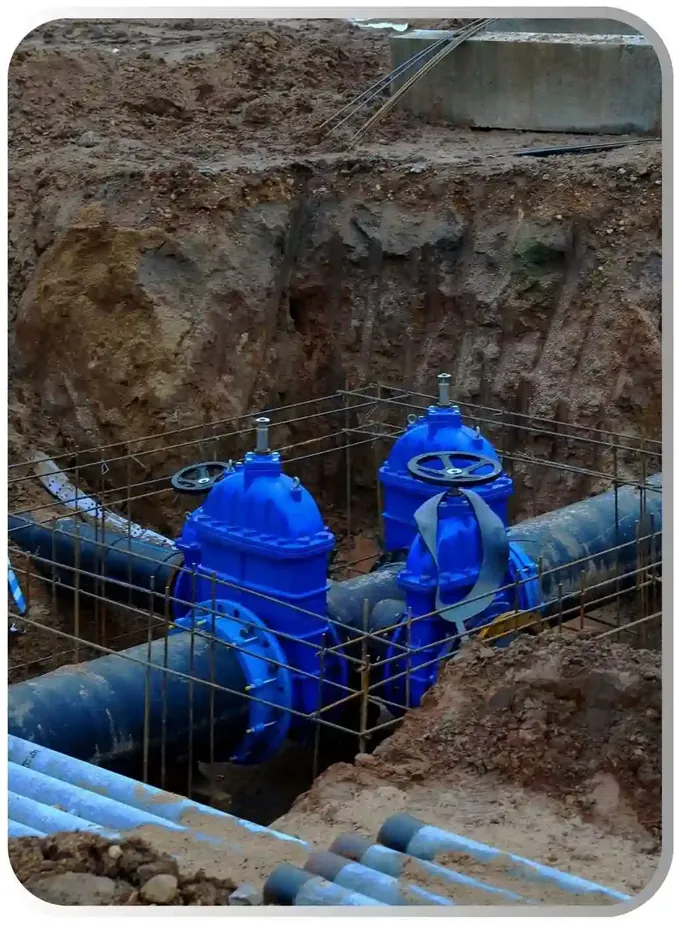
A useful service map records the asset owner, network area, existing service evidence, proposed demand, likely point of connection, design owner, application pathway, construction boundary, inspection hold points and evidence required at handover.
Plans obtained through Before You Dig Australia are an important starting point for excavation planning, but BYDA states that plans indicate the presence of underground infrastructure and should be treated as a guide rather than an exact surveyed location. Site verification, asset-owner requirements and safe excavation controls remain necessary.
Defines the proposed use, demand, programme and commercial brief; appoints the required advisers and confirms who owns each application, payment and approval.
Coordinates utility information with civil, hydraulic, electrical, structural, architectural and landscape design, including levels, clearances, access and future maintenance.
Sets the applicable connection, protection, inspection, approval and asset requirements for its system. Requirements vary by utility and network area.
Performs regulated design or connection work within the relevant licence, accreditation and network authorisation. The required class must match the work.
Coordinates access, excavation, temporary works, protection, interfaces, sequencing, quality records, reinstatement and handover within the agreed construction scope.
A single interface register should show who prepares, reviews, submits, approves, constructs, inspects and closes every utility deliverable. SCE’s Mount Colah civil subdivision works combined sewer relocation and underground services with stormwater, retaining works, rock excavation and a suspended driveway. This illustrates why utility work must be coordinated with the wider civil construction sequence rather than treated as an isolated connection task.
| Service | Early evidence | Typical construction interfaces | Closeout focus |
|---|---|---|---|
| Water and wastewater | Authority response, existing connection information, demand, hydraulic inputs and connection pathway | Excavation, pipework, backflow, meters, live assets, inspections and reinstatement | Inspection outcomes, test records, as-built information and authority completion evidence |
| Stormwater | Council or authority requirements, levels, lawful discharge point, detention and water-quality inputs | Pits, pipes, structures, overland flow, pavements, landscaping and erosion controls | Survey, testing, inspection records and confirmed discharge arrangement |
| Electricity | Network area, existing supply, proposed load, connection application and ASP requirements | Temporary supply, conduits, pits, service lines, switchboards, clearances and energisation sequence | Network acceptance, electrical certification, meter/energisation status and marked-up records |
| Communications and gas | Provider availability, existing assets, service entry point, proposed demand and lead times | Shared corridors, trench separation, risers, equipment space and access | Provider completion, testing, labelling and as-built information |
| Existing and unknown services | BYDA responses, records, site features, locating, potholing plan and survey | Protection, support, isolation, relocation, exclusion zones and change control | Verified final location, protection or relocation records and asset-owner requirements |
SafeWork NSW states that current underground essential-services information must be obtained before excavation work and made available to the people carrying out that work. Plans alone do not remove uncertainty: the work method should address site verification, locating, permitted potholing, exclusion zones, supervision, protection and emergency response.
Electrical connection and service-line work also requires the correct appointment. Under the NSW Accredited Service Provider Scheme, Level 1, Level 2 and Level 3 providers perform different categories of contestable network work, and individual workers must be authorised by the local distribution network service provider.

Check the budget against the same scope and responsibility register used for delivery. Record who pays each application, design, construction, testing and reinstatement item, including any infrastructure contribution. Sydney Water’s Section 73 guidance explains that construction costs are additional to application fees; a paid application alone does not fund the physical connection work.
Where services share a work area, identify who provides access, excavates, verifies the installation and reinstates the surface. Check for both omitted work and duplicated allowances between packages. Keep the physical completion date separate from the date when inspections, connection approval and handover records will be complete.
Relevant delivery pathways include SCE's civil services, earthworks, concreting and underground services, engineering and design coordination, and project-specific planning tools. Exact capability, appointments and regulated responsibilities are confirmed for each package.
The coordination scope may cover water, wastewater, stormwater, electricity, gas, telecommunications, temporary services and existing-service protection. It should state which utility pathways are included and who owns every design, application, regulated work, inspection and closeout action.
The relevant water utility or council sets the applicable pathway. Sydney Water, Hunter Water, council utilities and regional providers have different processes. Confirm the service area and project type before selecting a consultant, provider or application.
Only providers with the appropriate NSW ASP accreditation can perform the relevant contestable network service. Level 1, Level 2 and Level 3 cover different work, and workers also need authorisation from the local distribution network service provider for work on or near that network.
No. BYDA information is an essential starting point, but plans indicate the presence of assets and are not an exact surveyed location. Follow asset-owner guidance and the project’s safe excavation process, including appropriate locating, verification and protection controls.
Start during feasibility and concept design, before routes, levels, plant locations, roadworks and programme dates are fixed. Early checks are particularly important where capacity upgrades, relocations, easements, road reserves, live services or long-lead authority steps may apply.
Within the confirmed project appointment, SCE can support buildability, civil and building interfaces, excavation and underground-service delivery, sequencing, access, quality records, reinstatement and handover coordination. Authority approvals, regulated design and licensed or accredited connection work remain with the properly appointed parties.
Bring the site information, proposed demand, current designs, authority responses, programme and known constraints to an early discussion. SCE provides civil construction and engineering coordination, bringing the required disciplines, procurement and construction together through the agreed delivery appointment. We will review the utility interfaces, programme and information needed to move the project forward.
Sources and scope: connection and safety information was checked against Sydney Water's connections and disconnections guidance, the NSW Government Accredited Service Provider Scheme, SafeWork NSW construction guidance and BYDA plan guidance. Requirements depend on the site, asset owner, network, project and current rules. This article is general construction information, not authority approval, engineering, electrical, hydraulic, legal or certification advice.