
Utility Connection and Water Infrastructure NSW | Building Sustainable Services Networks
Utility connections form the foundation of essential services for residential and commercial properties across NSW, linking water supply, sewer systems, and electrical networks so that properties are fully operational from day one. Many projects require coordination with Sydney Water and Hunter Water to meet strict compliance requirements. Water utilities construction follows set environmental guidelines, including trench work, careful pipe placement, and backflow prevention to ensure long term service quality and regulatory compliance.
For new occupants, coordinating utility connections through a single service provider ensures water, electricity, gas, and internet are ready upon arrival. This removes the need to contact each provider separately, saving time, reducing complexity, and ensuring a smooth transition into a new home or workplace.
Water Utilities Across NSW
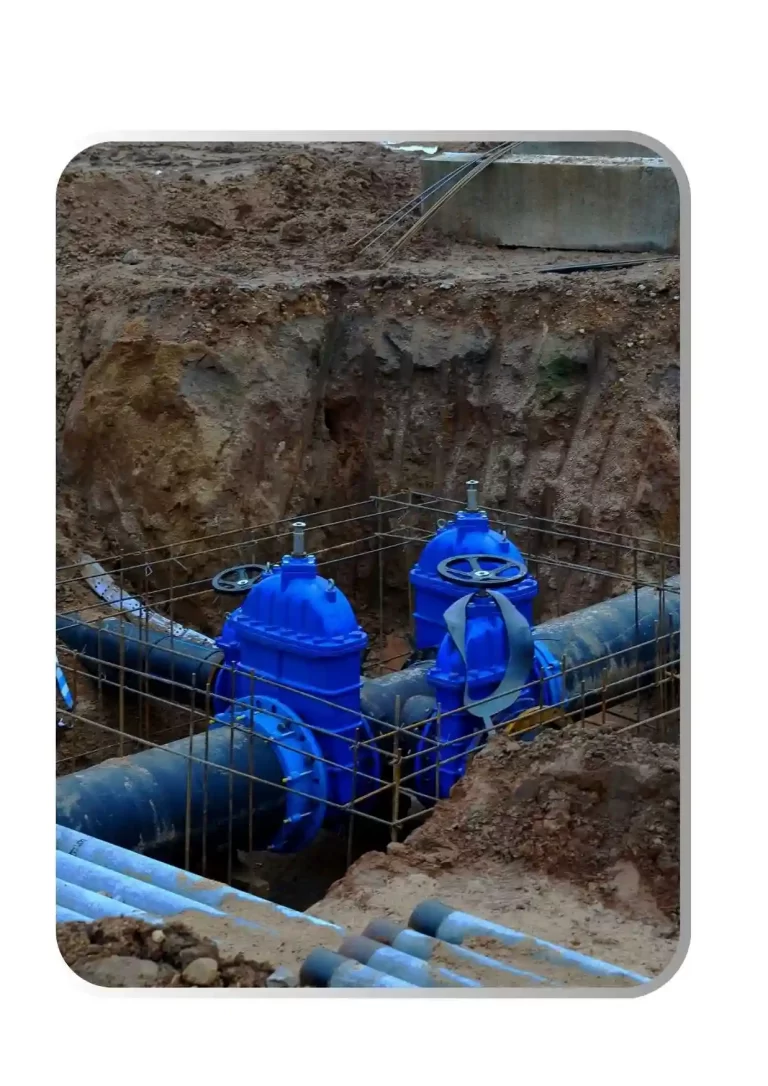
Water utilities across NSW New South Wales maintains a wide network of water utilities that supply clean drinking water and manage wastewater for households and businesses. Local Water Utilities are run by councils and manage water and sewer services for their regions. There are close to ninety Local Water Utilities, each responsible for providing safe water and effective wastewater management.
Major utilities also support large regions, with Sydney Water serving the metropolitan area, Hunter Water assisting the Lower Hunter, and Water NSW overseeing supply systems across the state. Their shared responsibilities include:
- Delivering safe, clean drinking water to households and businesses
- Maintaining and upgrading service infrastructure
- Supporting water conservation programmes
- Managing wastewater treatment facilities
Understanding Sewer Systems
Sewer systems are a major part of infrastructure installation and play a critical role in public health. Sanitary sewer systems carry wastewater from residences and commercial buildings to treatment plants where it is cleaned before it returns to the environment. Storm sewer systems move rainwater and surface runoff to prevent flooding. They direct water to rivers or lakes without treatment and help manage heavy rainfall in urban areas. Combined sewer systems move sanitary waste and stormwater through one pipe, which can cause overflow during intense rain. Many regions are working to improve these systems so communities remain protected during extreme weather.
Efficient sewer systems protect public health, prevent contamination, reduce flood risks and support sustainable development. Strong sewer planning and careful infrastructure installation help create safe and reliable environments for communities.
Electricity Sources in NSW

Electricity sources in NSW Electricity in NSW comes from a mix of traditional and renewable sources. Coal fired power plants have supplied a large share of electricity for many years, offering stable output, though they remain a significant source of emissions. The state is actively expanding renewable options to improve sustainability and energy security.
Key renewable sources include:
- Solar power: growing rapidly across NSW, with contributions from homes, businesses, and large scale solar farms
- Wind power: generated at farms located in areas with consistent wind exposure across the state
- Hydro power: delivered reliably through systems such as the Snowy Mountains Scheme
- Biomass energy: converting organic material into electricity and heat to support the broader energy mix
Gas fired plants assist during peak demand periods due to their ability to increase output quickly. Emerging technologies including battery storage and hydrogen offer promising support for future energy stability, with battery systems capturing excess renewable energy for later use and hydrogen being explored as a clean fuel for the decades ahead.
Choosing an electricity provider Selecting an electricity provider in NSW involves understanding your energy needs, usage patterns, budget, and sustainability goals. Key factors to consider include:
- Tariffs, contract terms, and available discounts
- Customer service quality and reliability
- Green energy options, including certified renewable energy plans
Online comparison tools make it straightforward to review multiple plans at once. Switching providers is simple, does not interrupt supply, and only requires selecting a new provider and allowing them to manage the transfer.
Improving energy efficiency in NSW Energy efficiency is a key part of sustainable living across NSW. Practical steps for households include:
- Installing proper insulation and draught proofing to maintain comfortable temperatures
- Choosing appliances with high energy star ratings to reduce long term power use
- Upgrading to LED lighting for immediate cost savings
- Using smart thermostats to optimise heating and cooling based on usage habits
Businesses can improve efficiency by conducting energy audits to identify waste, upgrading HVAC systems, and promoting energy saving practices among staff. The NSW Government and utility providers also offer rebates and incentives to support energy saving programmes, and community energy projects give residents shared access to renewable solutions.
Frequently Asked Questions
1. What are Utility NSW services and how can they help me?
Utility NSW offers essential services to assist residents in connecting utilities such as water, electricity and gas when moving. Utility NSW simplifies the process, making transitions easier and less stressful.
For further details, please refer to utility connections NSW, water utilities construction, infrastructure installation.
2. How do I choose the right Electricity Providers in Utility NSW?
To select the best Electricity Providers in Utility NSW, assess your energy needs, compare rates and plans and consider customer reviews. Utility NSW ensures that you find a provider that fits your budget and sustainability goals.
For further details, please refer to utility connections NSW, water utilities construction, infrastructure installation.
3. What Energy Efficiency Tips in Utility NSW can I implement at home?
Effective Energy Efficiency Tips in Utility NSW include upgrading to LED lighting, improving insulation and using energy efficient appliances. These Utility NSW measures can significantly reduce electricity consumption and costs.
For further details, please refer to utility connections NSW, water utilities construction, infrastructure installation.
4. Are there any incentives for using Utility NSW services?
Yes, Utility NSW provides various incentives, especially for customers looking to connect multiple utilities at once. By utilizing Utility NSW services, residents can save time and sometimes money during their move.
For further details, please refer to utility connections NSW, water utilities construction, infrastructure installation.
5. What factors should I consider when comparing Electricity Providers in Utility NSW?
When comparing Electricity Providers in Utility NSW, consider tariffs, contract terms, customer service and available discounts. Finding the right Utility NSW provider is crucial for managing financial and energy needs effectively.
For further details, please refer to utility connections NSW, water utilities construction, infrastructure installation.
6. How can I improve my home's energy efficiency using Energy Efficiency Tips in Utility NSW?
Some Energy Efficiency Tips in Utility NSW include installing smart thermostats, upgrading HVAC systems and conducting energy audits. These Utility NSW practices help in reducing energy wastage.
For further details, please refer to utility connections NSW, water utilities construction, infrastructure installation.
7. What services are included in Utility Connections NSW?
Utility Connections NSW covers essential services such as electricity, water, gas and telecommunications setup for new developments, ensuring seamless integration during construction.
For further details, please refer to utility connections NSW, water utilities construction, infrastructure installation.
8. How does water utilities construction contribute to community development?
Water utilities construction provides safe and efficient water distribution systems, supporting residential, commercial and industrial growth while maintaining sustainability standards. For further details, please refer to utility connections NSW, water utilities construction, infrastructure installation.
9. What is the process for infrastructure installation in NSW projects?
Infrastructure installation in NSW involves planning, trenching and connecting utilities such as water, gas and power, ensuring full compliance with state regulations and safety standards. For further details, please refer to utility connections NSW, water utilities construction, infrastructure installation.
10. Why is early planning important for Utility Connections NSW?
Planning Utility Connections NSW early helps avoid project delays, ensures coordination among multiple utility providers and reduces overall construction costs. For further details, please refer to utility connections NSW, water utilities construction, infrastructure installation.
11. What safety standards apply to water utilities construction in NSW?
Water utilities construction must comply with NSW Health, SafeWork NSW and Australian Standards to ensure public safety, water quality and long term system reliability. For further details, please refer to utility connections NSW, water utilities construction, infrastructure installation.
12. How do infrastructure installation projects support sustainable development?
Infrastructure installation plays a key role in sustainable development by integrating energy efficient systems, minimizing environmental impact and supporting future ready urban expansion. For further details, please refer to utility connections NSW, water utilities construction, infrastructure installation.
Thank you for your visit and welcome to the construction home