
How to Subdivide Land in NSW: Process, Approvals, Costs and Requirements
Subdividing land in NSW involves more than simply splitting a block into smaller lots. The process must align with local zoning controls, minimum lot size requirements, servicing capacity, stormwater design, access, easements and council approval pathways. What is achievable on one site may not be achievable on another, even within the same suburb.
At Sydney Contracting Engineers (SCE Corp), subdivision projects are approached from a practical delivery perspective. That means assessing feasibility early, coordinating the right consultants, understanding authority requirements, and planning civil works, servicing and approvals properly from the outset. This guide explains the typical NSW subdivision process, the key approval stages, and the main technical and compliance issues that affect whether a site can be subdivided successfully.
Land subdivision NSW involves detailed planning, survey coordination, stormwater and utility design and multiple approval stages with council and Sydney Water. SCE Corp manages the full subdivision process, ensuring compliance with SEPP, LEP and applicable subdivision codes while coordinating technical, regulatory and construction requirements.
The Process of Subdividing Land in Australia: Everything You Need to Know
Subdivision is a strategic approach used by property owners and developers to realise land value, enable development, or formalise land boundaries. In Australia, the process follows a structured pathway involving legal, financial, and planning considerations. In New South Wales (NSW), particularly, zoning controls and minimum lot sizes play a critical role in determining what is achievable on any given site.
At Sydney Contracting Engineers (SCE Corp), subdivision projects are managed from feasibility through to civil works and final approvals. Our team coordinates planning inputs, council engagement, and construction delivery to ensure every project is well-managed, compliant, and efficiently delivered. This guide outlines the key subdivision pathways, approval stages, and considerations relevant to NSW developments.
Types of Land Subdivision in NSW
Community Title
Similar to strata arrangements, with greater flexibility in land use and shared infrastructure.
Torrens Title
Each new lot is created with a separate title and individual ownership.
Strata Title
Commonly used for townhouses and apartments, where ownership applies to individual lots with shared common areas.
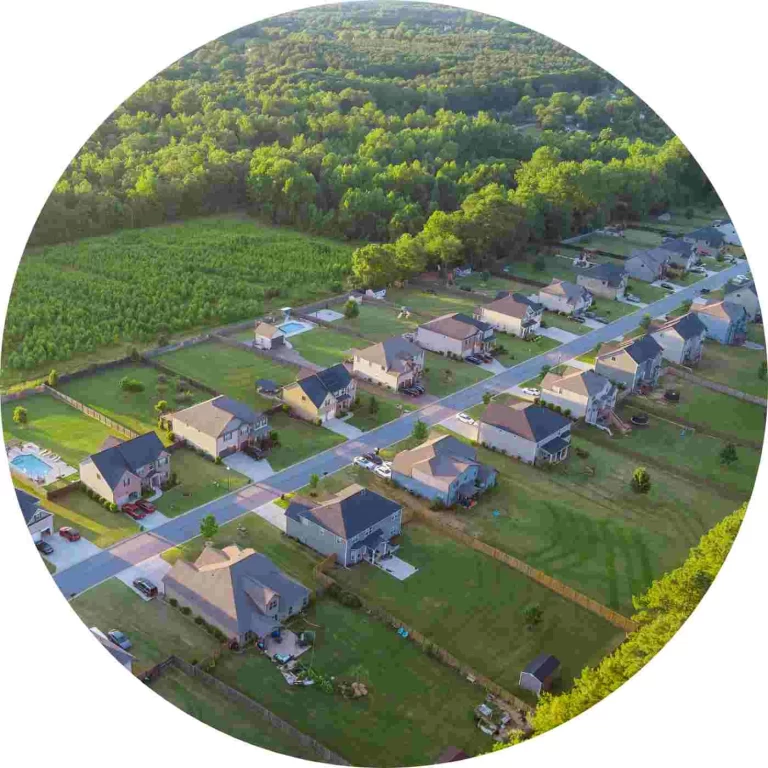
How Do You Subdivide Land in NSW?

Step 1: Assess feasibility
Check zoning, minimum lot size, frontage, site constraints, easements, servicing availability, flooding, bushfire, heritage and access.
Step 2: Engage the right consultants
Typically this includes a surveyor, town planner, civil engineer and other specialists depending on the site.
Step 3: Confirm the approval pathway
Determine whether the site requires a development application and what council or authority approvals apply.
Step 4: Prepare plans and supporting documentation
This usually includes subdivision layout, stormwater design, servicing strategy, civil works design and authority coordination.
Step 5: Deliver civil works and servicing
Complete roads, kerb, drainage, water, sewer, electrical and other required infrastructure in line with approval conditions.
Step 6: Obtain final approvals and register titles
Once conditions are satisfied and works are complete, final approvals are obtained and new titles can be registered.
Minimum Lot Size and Zoning Requirements for Subdivision in NSW
Minimum lot size requirements for subdivision in NSW depend on the site’s zoning, the relevant Local Environmental Plan (LEP), Development Control Plan (DCP), servicing constraints and council-specific controls. Before proceeding, the site should be assessed against the applicable planning controls rather than relying on general assumptions.
Frequently Asked Questions
1. What is the subdivision process in Australia?
The subdivision process in Australia involves dividing a large property into smaller lots, following local land regulations and planning policies. It includes submitting applications, securing approvals and developing necessary infrastructure.
For further information visit land subdivision, property development, subdivision process.
2. What are the key land regulations for subdividing property?
Each local council has specific land regulations governing subdivisions, such as minimum lot sizes, zoning restrictions and compliance with environmental laws. It’s crucial to research these before starting the subdivision process.
For further information visit land subdivision, property development, subdivision process.
3. How does environmental impact affect land subdivision
The environmental impact of a subdivision project is assessed based on factors like soil stability, water drainage and effects on local flora and fauna. Developers must comply with land regulations to mitigate risks and ensure sustainable development.
For further information visit land subdivision, property development, subdivision process.
4. How long does the subdivision process take?
The timeline for the subdivision process depends on council approvals, site conditions and compliance with land regulations. On average, it can take 6-12 months, but delays may occur due to environmental assessments or objections.
For further information visit land subdivision, property development, subdivision process.
5. What are the common challenges in the subdivision process?
Challenges in the subdivision process include navigating land regulations, addressing community concerns and managing environmental impact assessments. Unexpected costs and financing difficulties can also arise.
For further information visit land subdivision, property development, subdivision process.
6. Do I need an environmental impact assessment for subdivision?
Yes, many councils require an environmental impact assessment as part of the subdivision process. This helps determine how the project affects ecosystems, waterways and air quality, ensuring compliance with land regulations.
For further information visit land subdivision, property development, subdivision process.
7. What are the costs involved in the subdivision process?
The costs of the subdivision process include application fees, infrastructure development, environmental assessments and legal compliance with land regulations. Unexpected costs may arise, so having a contingency fund is recommended.
For further information visit land subdivision, property development, subdivision process.
8. How do land regulations vary between states in Australia?
Land regulations differ significantly across states and even between local councils. Property owners must check zoning laws, development restrictions and environmental impact requirements specific to their location.
For further information visit land subdivision, property development, subdivision process.
9. Can I subdivide land in a bushfire prone or flood prone area?
Subdividing land in high risk areas requires additional approvals, as land regulations mandate stricter safety measures. An environmental impact study is often necessary to ensure compliance with fire and flood mitigation strategies.
For further information visit land subdivision, property development, subdivision process.
10. How can I minimize the environmental impact of my subdivision project?
To reduce environmental impact, developers can incorporate sustainable drainage systems, protect green spaces and follow best practices outlined in land regulations. Engaging environmental consultants can also help.
For further information visit land subdivision, property development, subdivision process.
11. How can I finance my subdivision project?
Financing the subdivision process may involve development loans, private funding or partnerships. Lenders may require compliance with land regulations and proof of project feasibility before approving funds.
For further information visit land subdivision, property development, subdivision process.
12. Do I need to consult the community before subdividing land?
Yes, many councils require public consultation during the subdivision process. Community engagement helps address concerns about traffic, infrastructure and environmental impact, improving project approval chances.
For further information visit land subdivision, property development, subdivision process.
13. What role does infrastructure play in land subdivision?
Yes, many councils require public consultation during the subdivision process. Community engagement helps address concerns about traffic, infrastructure and environmental impact, improving project approval chances.
For further information visit land subdivision, property development, subdivision process.
14. Can I subdivide my land if it has historical or cultural significance?
Properties with historical significance are subject to strict land regulations. An environmental impact assessment and heritage study may be required before approval for the subdivision process is granted.
For further information visit land subdivision, property development, subdivision process.
15. How can SCE Sydney Contracting Engineers help with the subdivision process?
SCE Sydney Contracting Engineers assist with land regulations, environmental assessments and infrastructure development to streamline the subdivision process. Their expertise ensures compliance and successful project execution.
For further information visit land subdivision, property development, subdivision process.
Thank you for your visit and welcome to the construction home