
Dilapidation Reports Before Construction
A dilapidation report records existing conditions before work starts so later claims can be assessed fairly. It supports neighbour property protection and helps keep access, deliveries and temporary works controlled. A pre construction condition report is most valuable when it is clear, evidence based and easy to reference during delivery.
What a dilapidation report should record
A dilapidation report records the condition of surrounding areas before construction, creating a clear, shared baseline for owners, managers, neighbours and contractors so decisions are based on evidence.
It focuses on elements likely to be affected by access, demolition, excavation or temporary works. Existing cracks, corrosion, movement and other defects should be documented with clear photographs, locations and brief notes on extent and severity. Areas in good condition should also be recorded.
Include common areas and boundaries such as lobbies, corridors, basements, retaining walls, driveways, footpaths, fences and nearby structures. This reduces ambiguity, supports strata risk management and assists with approvals and neighbour concerns. While not a substitute for engineering advice, a thorough report helps prevent disputes and keeps the project focused.
When to commission it for strata plus commercial sites

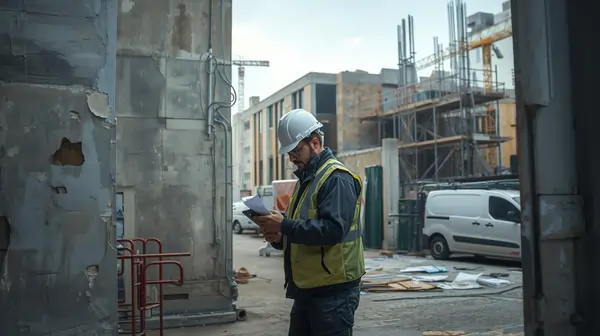
Timing is critical. A pre-construction condition report should be prepared shortly before works begin, once access and sequencing are confirmed. Too early and conditions may change. Too late and credibility is weakened. Photographs must be clear, well lit and location-referenced, with factual notes. Record the work area and nearby elements likely to be affected by movement, vibration or traffic. Include any existing defects to avoid later disputes, and note areas in good condition to create a complete baseline.
For strata sites, include shared areas, entries, lift lobbies, corridors and stairs. For commercial sites, cover loading docks, finishes, thresholds and high-traffic routes. Store the report for quick retrieval and compare any later concerns against the baseline. This supports neighbour protection, strengthens risk management and maintains measured stakeholder communication.
Frequently Asked Questions
1.What is a dilapidation report?
A dilapidation report records the existing condition of surrounding areas before construction starts so later changes can be assessed against evidence.
For further information please refer to construction safety, strata, reports
2. Why does SCE Corp prepare a dilapidation report?
We prepare a dilapidation report to support neighbour property protection and reduce disputes during delivery.
For further information please refer to construction safety, strata, reports
3. When is the dilapidation report conducted?
It is usually completed close to the start of works once access and staging are confirmed. This timing strengthens the pre construction condition report baseline.
For further information please refer to construction safety, strata, reports
4. Who uses dilapidation reports from SCE Corp?
Strata managers, asset owners, builders and consultants use the report for claims management and site governance and strata project risk control.
For further information please refer to construction safety, strata, reports
5. Are dilapidation reports part of SCE Corp’s broader service delivery?
Yes. They often sit alongside access planning, scope definition and stakeholder communication to support safe delivery.
For further information please refer to construction safety, strata, reports
6. Do dilapidation reports help with regulatory compliance?
They can support compliance by providing records that assist dispute resolution and site governance. They do not replace statutory inspections.
For further information please refer to construction safety, strata, reports
7.Can a dilapidation report help reduce disputes?
Yes. A clear baseline supports neighbour property protection and reduces arguments about what damage is new.
For further information please refer to construction safety, strata, reports
8. Does SCE Corp offer post-construction dilapidation reporting?
Yes when required. A post works check compares the baseline to current conditions and supports closure with neighbours.
For further information please refer to construction safety, strata, reports
9. Who should I contact to arrange a dilapidation report with SCE Corp?
Send the site address plus drawings plus access details plus the intended start date so we can confirm scope and timing for the pre construction condition report.
For further information please refer to construction safety, strata, reports
10.Are dilapidation reports included in all project types?
Not always. They are most valuable where there is close proximity to neighbours, tight access, high vibration risk or complex staging that needs strata project risk control.
For further information please refer to construction safety, strata, reports
Thank you for your visit and welcome to the construction home.