Investigation
- Moisture mapping of affected basement walls
- Drainage and existing waterproofing review
- Flood and dye testing where required

Project · Water ingress remediation · Woolloomooloo
SCE investigated persistent basement moisture affecting two levels of a Woolloomooloo building, reviewed likely water-entry pathways and delivered targeted drainage, waterproofing and remedial works based on observed site conditions.
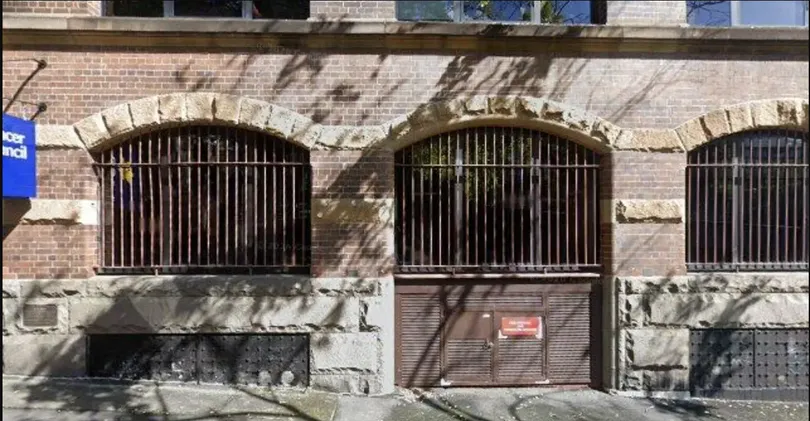
The building had experienced persistent basement moisture, and earlier remedial attempts by others had not resolved the underlying condition. SCE was engaged to investigate likely water-entry pathways, review drainage and waterproofing details, and develop a practical remediation plan.
Investigation considered wall surfaces, vents, joints, service penetrations, external drainage and existing waterproofing. Moisture mapping, drainage investigation, flood testing and dye testing were used where required to build an investigation scope.
This project supports SCE's structural and remedial portfolio and the broader SCE Projects portfolio.
Investigation established the basis for targeted drainage, waterproofing and remedial work across the affected basement walls, vents and service penetrations.
The remediation was staged to separate investigation from repair and to avoid relying on surface treatment alone.
Moisture-affected surfaces were assessed and prepared before drainage upgrades, waterproofing systems and protective coatings were installed. Work around wall areas, vents and service penetrations responded to the conditions observed during investigation.
The staged approach helped SCE focus resources on likely water-entry pathways and coordinate access and sequencing without presenting a temporary surface treatment as a complete investigation.
SCE identified multiple likely water-ingress sources and implemented targeted remedial works to improve moisture control around affected walls, vents, service penetrations and drainage pathways.
The client received a remediation plan informed by testing evidence, observed site conditions and staged rectification works. Similar properties require their own investigation and repair scope.
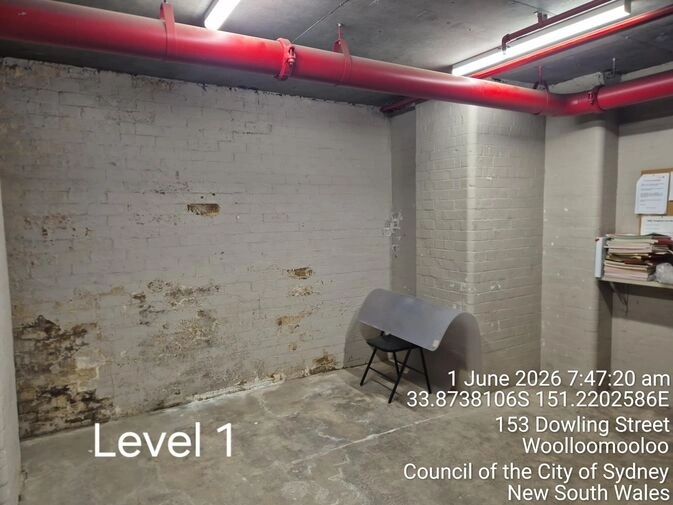
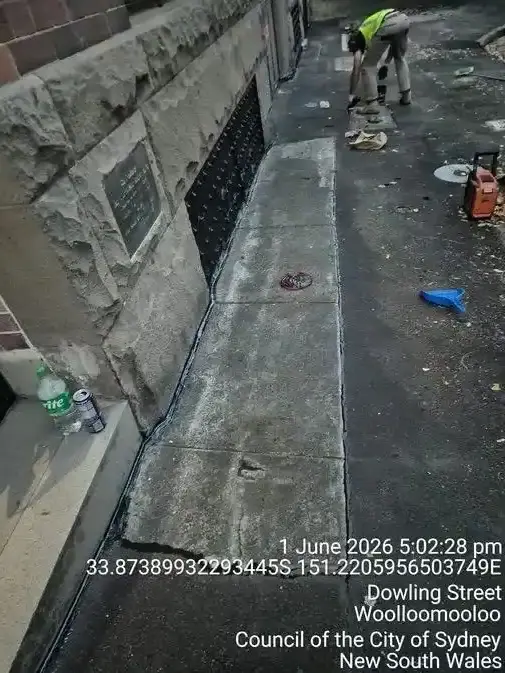
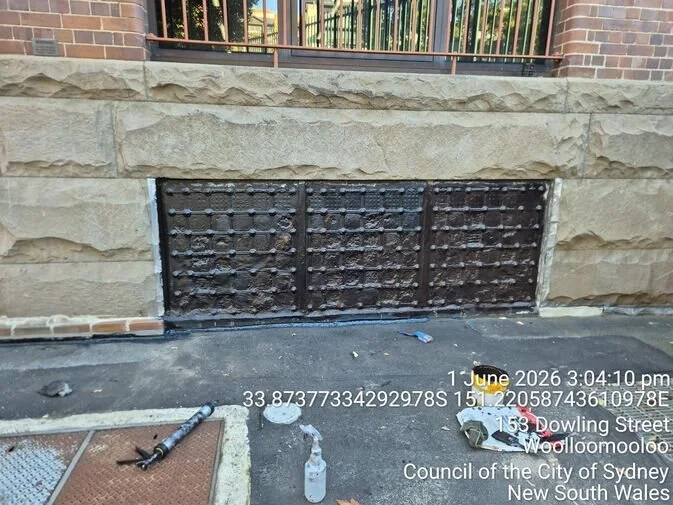
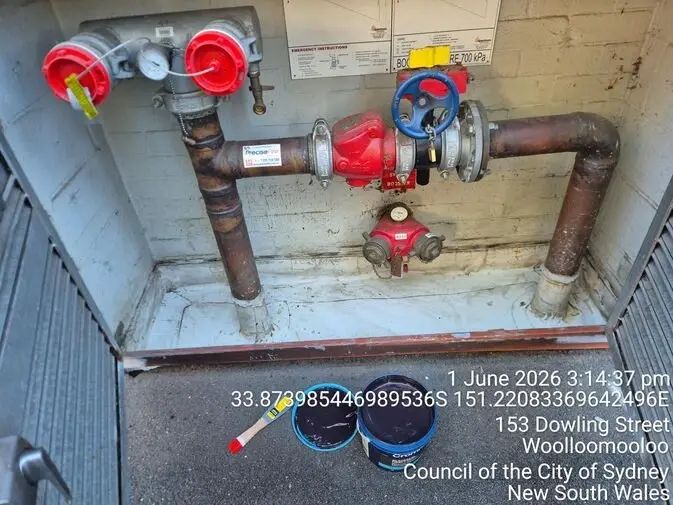
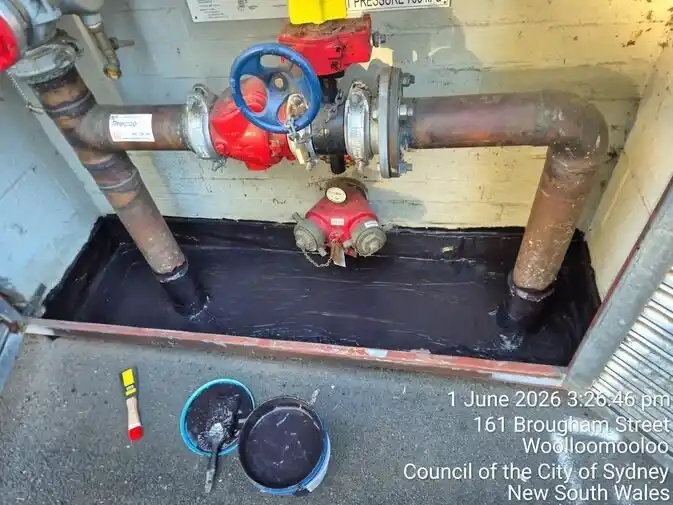
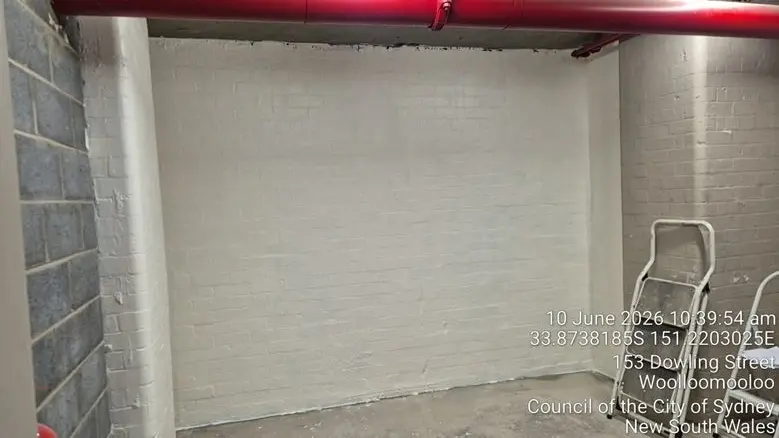
These genuine SCE project images show observed basement conditions, drainage investigation, waterproofing around a vent and service-penetration treatment. Select an image to open the original.
For comparable building conditions, review SCE's Building Remedial Services, Building Water Ingress Remediation and Building Waterproofing Remediation services.
Strata decision-makers can also review Strata Services, Strata Water Ingress Investigation and Repair and Waterproofing Failure.
Explore SCE's Sydney CBD and Inner City services. The SCE System explains the company's approach to planning, delivery and close-out.
For related projects, explore Strata and Owners Corporation Projects and the External Restoration Sydney CBD project.
Basement water ingress can be associated with failed waterproofing, poor drainage, hydrostatic pressure, cracks, defective penetrations, movement, blocked paths or incomplete previous repairs. At this Woolloomooloo project, SCE investigated multiple possible sources before implementing targeted remedial works.
Depending on the site, investigation may include visual inspection, moisture mapping, drainage checks, flood testing, dye testing and review of walls, vents, joints and service penetrations. The purpose is to understand likely water-entry or retention pathways before selecting a repair method.
Remediation may be required when damp walls, staining, repeated leaks, failed coatings, defective penetrations or drainage issues continue after basic repairs. The suitable scope depends on the water source, substrate condition, access, approvals and site constraints.
Drainage investigation helps establish whether water is being directed away from a building or retained against basement walls. Poor drainage can increase water pressure, contribute to moisture ingress and reduce the effectiveness of surface-only repairs.
SCE can plan staged investigation and remedial works in occupied buildings, coordinating access, protection, drainage and waterproofing with occupants, strata stakeholders and facility managers. The delivery plan depends on the building condition and agreed scope.
Explore related services, locations and completed projects.
Provide the property type, affected areas, known history, available reports and access constraints so SCE can discuss the investigation and remediation work required.