
Material decision guide
Low-Emission Concrete in NSW: Practical Checks for Civil Projects
Lower-emission concrete can reduce embodied-carbon impacts, but a lower-carbon label does not replace project-specific performance, durability, testing or construction checks. This guide explains the questions NSW asset owners, developers and project teams should resolve before specifying a mix.
Quick answer: low-emission concrete is not one universal product. It is a project-specific mix and procurement decision intended to reduce embodied emissions while meeting the required strength, durability, finish, construction and compliance criteria.
What makes a concrete mix lower emission?
Concrete-related emissions are influenced by the mix constituents, material quantities, transport, production and the amount of rework or waste. A proposed lower-emission mix may reduce Portland cement content through suitable supplementary cementitious materials, use verified alternative constituents, optimise the mix for the actual performance requirement or improve material efficiency.
The relevant comparison is not a marketing label in isolation. Project teams need clear product data, an appropriate baseline and evidence that the proposed mix remains suitable for the intended element and exposure conditions.
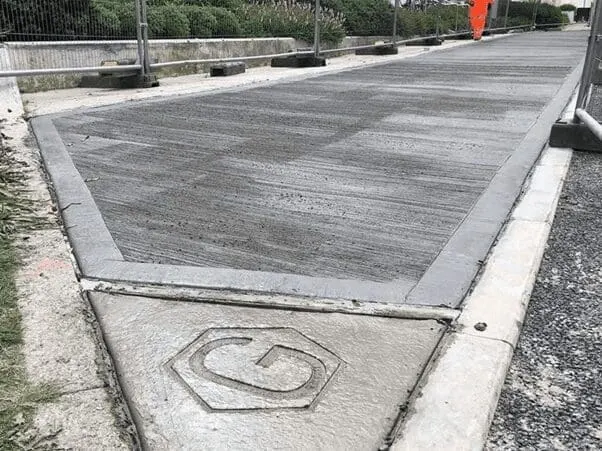
Six checks before selecting a mix
| Check | What the project team should confirm |
|---|---|
| Performance | Required strength, workability, early-age performance, finish and any project-specific acceptance criteria. |
| Durability | Exposure classification, design life, permeability, cracking risks and the conditions the concrete will face in service. |
| Programme | Curing, stripping, loading and follow-on trade dates, including how the proposed mix affects sequencing. |
| Supplier evidence | Current mix data, constituent information, relevant declarations, test results and the basis for any emissions comparison. |
| Construction method | Placement, pumping, finishing, weather controls, curing method, access and quality-control requirements. |
| Approvals | Review and acceptance by the relevant designer, engineer, superintendent or other authorised project party. |
Where lower-emission concrete may fit
Potential applications
- pavements, slabs and footings where the proposed mix meets the design requirements;
- drainage, access and civil infrastructure elements with suitable exposure and durability evidence;
- projects with measurable embodied-carbon objectives and a documented material-assessment process; and
- repeat pours where a controlled trial and feedback loop can improve delivery confidence.
Situations requiring extra care
- tight programmes that depend on early strength or rapid loading;
- aggressive exposure conditions or demanding durability criteria;
- architectural finishes where colour and consistency are critical; and
- proposals supported only by general sustainability claims rather than mix-specific evidence.
For broader delivery pathways, see SCE Civil Services. Discuss your civil construction scope, access, programme and quality requirements with SCE.
A practical assessment sequence
Define the element and performance brief
Record what the concrete must do, the governing drawings and specification, exposure conditions, construction constraints and acceptance requirements.
Request comparable supplier information
Ask for mix-specific technical information and a current Environmental Product Declaration where available. Record the declared unit, strength class and life-cycle stages included, and confirm that both alternatives meet the same project performance requirements. A lower emissions figure per cubic metre does not settle the whole-project choice if quantities, transport, curing or replacement assumptions differ. Keep the comparison baseline and source data with the approved mix submission.
Coordinate technical review
Refer the proposal to the relevant designers and project representatives. SCE can coordinate constructability and delivery input while design and certification decisions remain with the appropriately appointed professionals.
Plan trials, placement and curing
Where warranted, confirm trial requirements, hold points, testing, weather controls, finishing expectations and curing responsibilities before the first production pour.
Retain the project record
Keep the approved mix information, delivery records, test results, inspection evidence and any agreed changes with the project quality documentation.
How SCE supports concrete delivery
Sydney Contracting Engineers is a highly qualified and skilled construction team with substantial experience across building and civil work. For concrete packages, SCE can assist with buildability, planning, access, procurement coordination, site delivery, quality controls and communication with the project’s engineers, designers, suppliers and other appointed professionals.
That delivery role does not replace mix design, engineering approval, certification or product evidence. It helps turn approved requirements into a practical construction plan and a controlled site process.
Explore SCE concrete works services for delivery capability and enquiry pathways.
Frequently asked questions
What is low-emission concrete?
It is concrete proposed with a lower embodied-emissions profile than an appropriate comparison mix while still meeting the project’s technical requirements. The basis of the reduction should be supported by current mix and supplier information.
Does low-emission concrete always contain graphene?
No. Graphene is not a defining requirement. Lower-emission approaches may involve cement replacement, alternative constituents, mix optimisation, material efficiency or other verified strategies suited to the project.
Can a lower-emission mix be used for every concrete element?
Not automatically. Suitability depends on the element, strength and durability requirements, exposure, programme, finish, construction method and the acceptance of the relevant project professionals.
Will it cost more than conventional concrete?
Price varies by mix, supplier, volume, location, testing and programme requirements. Compare whole-project implications, including construction sequencing and risk, rather than relying on material price alone.
What evidence should a project team request?
Request current mix data, constituent information, technical and testing evidence, the stated comparison method for emissions claims, and any project-specific submission required by the specification or approving party.
Plan a concrete package with clear requirements
Bring SCE the project brief, drawings, specification, programme and any proposed mix information. Our team can review the delivery constraints and coordinate the next practical construction steps with the relevant project professionals.