Concrete cancer remediation
Assessment and repair pathways for reinforced concrete affected by corrosion-related cracking, delamination, spalling or reinforcement deterioration.

Existing reinforced-concrete assets
SCE Corp delivers concrete remediation, concrete cancer repair, spalling repair and cracking-repair scopes across Sydney and NSW. SCE’s highly experienced delivery team combines qualified building, civil and construction engineering capability, NSW DBP registration, current ISO-certified systems and experience from more than 5,000 delivered projects to coordinate assessment inputs, repair specifications, access, safety, quality controls, specialist partners and practical handover.
Cracking, delamination, spalling, rust staining, exposed reinforcement, recurring moisture entry and previous patch failure can indicate deterioration that warrants assessment. The visible symptom does not, by itself, establish the cause, structural significance or correct repair.
Where falling material, instability or public exposure is suspected, access and make-safe controls may be required before ordinary investigation or repair planning proceeds.
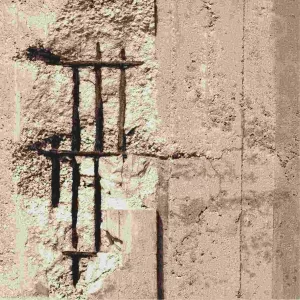
Explore the repair pathway that best matches the deterioration observed at your property. Assessment establishes the cause and the appropriate scope before work begins.
Assessment and repair pathways for reinforced concrete affected by corrosion-related cracking, delamination, spalling or reinforcement deterioration.
Investigation-led repair pathways for concrete cracking where cause, movement, moisture, structural significance and repair purpose must be established.
Confirm the asset, symptoms, urgency, available reports and drawings, previous repairs, exposure, access and required outcome.
Establish the inspection, testing, opening-up, engineer or consultant input, temporary controls and responsibility allocation required for the project.
Translate accepted findings and design information into defined repair areas, preparation, materials, sequencing, exclusions, hold points and acceptance requirements.
Coordinate access, containment, isolation, occupant or public protection, dust and debris controls, temporary works and the delivery programme.
Complete the contracted work with the specified preparation, installation, curing, inspections and project records.
Provide the agreed completion information and identify outstanding monitoring, maintenance or consultant requirements without overstating the achieved outcome.

A defined repair scope may include sounding and marking, controlled removal of unsound concrete, substrate preparation, reinforcement cleaning, treatment or replacement where specified, reinstatement with a compatible repair system, curing and protective finishing.
Crack repair, injection, coatings, membranes, electrochemical systems or structural strengthening must not be selected merely because a visible symptom exists. Their suitability depends on the verified cause, substrate, exposure, design purpose, product requirements and the responsible engineer or consultant’s specification where required.
SCE provides full-service concrete-remediation construction and project coordination within the accepted contract scope. Where engineering assessment, regulated design, declarations, certification or specialist testing require separate appointments, SCE engages or coordinates appropriately qualified, registered, licensed and insured partners while maintaining clear responsibility boundaries.
Staging must address occupants, neighbours, public areas, vehicles, services, noise, dust, falling material, work-at-height controls and operational constraints.
Project-specific controls can include repair-area mapping, substrate acceptance, material records, mixing and application checks, curing, hold points and consultant inspections where specified.
The handover should reflect the agreed scope and may include repair records, product information, photographs, inspection records and identified maintenance or monitoring requirements.
Read the guide to concrete spalling repairs in occupied strata buildings for access, resident communication and staged handback planning.
Engineering experience behind the repair. SCE is led by civil and construction engineer Frank MANESH, whose experience includes structural and foundation remediation, defect assessment and complex building restoration. Operations Director Farshid MANESH brings civil engineering, estimating and construction delivery experience to programme, procurement and site execution.
For a concrete repair, this experience connects the investigation and repair specification with the practical work: access, temporary support, preparation, specialist inputs, inspections and reinstatement. It helps owners establish an achievable repair scope and identify interfaces that could otherwise cause repeated disruption or incomplete repairs.
Verify SCE Corp’s ISO 9001, ISO 14001 and ISO 45001 certifications, NSW DBP registration, contractor licence and insurance records.
SCE rectified extensive concrete cancer as part of a whole-property renovation at Toronto, Lake Macquarie. The same project included engineer-designed structural alterations and roof, exterior and interior upgrades.
Use the planning tool to identify whether make-safe, investigation, consultant review or a defined contractor scope may be the next step.
Return to Building Remedial Services or review the related Structural Remedial Services pathway.
SCE delivers concrete remedial work across Sydney and NSW, with the project plan confirmed against the cause, scope, access, approvals, safety requirements and programme.
Concrete remediation is the investigation, repair and protection of existing concrete affected by deterioration, defects, damage or performance concerns. The required work depends on the cause, extent, structural significance, exposure, access and accepted repair design or specification.
Possible signs include cracking, rust staining, loose or drummy concrete, delamination, spalling, exposed reinforcement, recurring moisture entry and failed earlier patches. These signs do not establish the cause or repair method; an appropriate assessment is required.
A specified spalling repair commonly includes locating and marking affected areas, safely removing unsound concrete, preparing the substrate and reinforcement, completing the specified reinforcement treatment or replacement, reinstating the section with a compatible repair system, curing and applying protection where required. The final method must follow the accepted assessment and specification.
They are related but not identical. Concrete cancer commonly describes deterioration associated with reinforcement corrosion. Spalling describes concrete breaking, flaking or detaching and can result from corrosion or other causes. Investigation is needed to establish the deterioration mechanism and appropriate response.
SCE provides experienced construction delivery and full-service coordination for concrete remediation. Where investigation, testing, repair design, declarations or certification require professional or regulated input, SCE engages or coordinates the appropriately qualified or registered party and delivers the accepted construction scope to the project requirements.
Sometimes, subject to risk, access, noise, dust, falling-material controls, isolation, temporary works and programme restrictions. The staging plan must suit the building’s use and the requirements of the principal, owners corporation, engineer, consultant, certifier or relevant authority.
It may apply to certain regulated building work and design activities. Applicability depends on the building, work and statutory definitions. Required registered practitioners, regulated designs, declarations and compliance steps should be confirmed before relevant work proceeds.
Provide the address, asset type, photographs, known symptoms, available reports and drawings, any repair specification, previous repair history, access constraints, approval status, operating restrictions and required programme. SCE will review the evidence, confirm the concrete-remediation pathway and identify any further investigation or specialist input required.
Send the available reports, drawings, photographs, repair requirements, access constraints and programme so SCE can define the next concrete-remediation step, confirm responsibilities and plan controlled delivery.