Existing buildings and infrastructure

Structural Remedial Services and Repairs in NSW

SCE Corp coordinates and delivers suitable structural remedial scopes subject to investigation, defined design responsibility, access, safety, approvals and commercial fit. We work with strata, asset managers, developers, government and principal contractors across Sydney and selected NSW locations.

SCE Corp building and remedial delivery overview

SCE Corp delivers suitable building, remedial and civil construction works subject to scope, access, approvals, safety, programme and commercial fit.

When structural remedial input may be required

Cracking, movement, corrosion staining, spalling, deformation, damaged connections and recurring water entry can indicate deterioration that warrants investigation. The visible symptom does not, by itself, establish the cause or the correct repair.

  • New, widening or recurring cracks.
  • Concrete delamination, spalling or exposed reinforcement.
  • Movement, settlement, sagging or misalignment.
  • Corrosion at structural steel or reinforced-concrete elements.
  • Impact, fire, water or construction-related damage.
  • A proposed change in use, loading or structural configuration.

Where structural risk is suspected, the first priority is safe access, appropriate temporary controls and investigation by the responsible competent parties. The required response depends on the asset, defect, risk and contractual responsibilities.

Rope-access technicians undertaking remedial work on a building façade
Access and staging must be planned for the building, occupants and identified risks.

Structural remedial service pathways

This page owns the broad structural-remedial service intent. The following child pages cover narrower scopes without competing for the same query.

Remedial concrete repairs

Defined repair scopes for deteriorated or damaged reinforced-concrete elements, subject to assessment, specifications and the agreed delivery model.

View remedial concrete repairs

Structural alterations

Construction and coordination for suitable alteration scopes where the design, approvals, temporary works and responsibility interfaces are clearly established.

View structural alterations

Structural strengthening

Delivery of specified strengthening scopes where investigation and engineering design establish the required system, sequencing and verification.

View structural strengthening

A controlled investigation-to-handover process

Review and site information

Confirm the concern, available reports and drawings, asset use, access constraints, urgency and intended outcome.

Investigation and responsibility

Establish what inspections, testing, consultant input, regulated design, declarations, approvals or temporary controls are required and who is responsible.

Defined repair scope

Translate the accepted findings and design information into a buildable scope, staging plan, exclusions, quality controls and commercial proposal.

Safe delivery

Coordinate access, isolation, temporary works, protection, sequencing, subcontractors and site controls to suit the occupied or operational environment.

Quality records

Complete the agreed inspections and records applicable to the specified repair system and contractual scope.

Handover

Provide the agreed completion information, records and outstanding maintenance or monitoring requirements without overstating the achieved outcome.

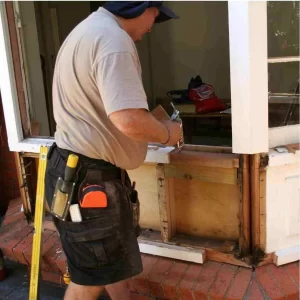
Structural repair work to an existing building element
Repair methods must respond to the confirmed cause, substrate and design requirements.

Methods depend on the verified cause and design

Possible methods can include crack repair, resin or grout injection, concrete breakout and reinstatement, reinforcement treatment, steelwork repair, connection repair, section enlargement or a specified strengthening system. Their inclusion here does not mean that every method is appropriate for every building or that SCE independently designs or certifies the system.

Where structural engineering, regulated design, declarations or certification are required, these functions must be performed by the appropriately qualified or registered party under the agreed engagement. SCE’s role is limited to the contracted construction and coordination responsibilities.

Return to Building Remedial Services

Water-damaged building area requiring investigation of the moisture source
Water damage requires source investigation before a repair pathway is selected.

Related water-ingress and durability pathways

Structural symptoms can occur alongside water damage, corrosion or broader durability loss. The visible damage does not establish the moisture source, affected elements or correct repair method.

Where water entry is the primary concern, investigation and repair should be assigned to the correct service owner rather than treated as structural repair evidence.

Review water-ingress remediation

Strengthening, injection and repair interfaces

Strengthening and injection systems require a clearly defined purpose. Structural strengthening may be considered where verified capacity, loading or deterioration issues require an engineered response. Injection may be used for selected cracks, voids or water-control scopes where the cause, substrate and performance requirement support that method.

The repair specification should address preparation, compatibility, installation, curing, inspection and acceptance requirements. Product selection, engineering adequacy and certification remain with the parties responsible under the design and contract.

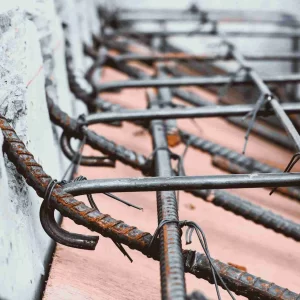
Structural strengthening work to an existing building element
Structural strengthening delivered to an accepted design and scope.
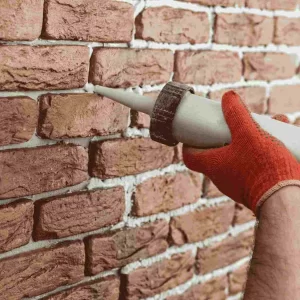
Grout or resin injection to a prepared building element
Injection methods require cause-dependent selection and controlled installation.

Project evidence, guidance and planning

Selected service locations

Availability depends on scope, access, approvals, safety, programme and commercial fit.

Frequently asked questions

1. What is structural remedial work?

Structural remedial work addresses verified deterioration, damage, defects or performance concerns in an existing structure. The required pathway can include investigation, engineering input, temporary controls, repair or strengthening, construction quality records and handover. The scope and responsibilities must be confirmed for the particular asset.

2. What signs may indicate a structural problem?

Possible signs include new or widening cracks, recurring movement, spalling concrete, exposed reinforcement, corrosion staining, sagging, deformation, damaged connections or changes in doors, windows and floor levels. These signs do not establish the cause; an appropriate inspection is required.

3. Can cracked concrete be repaired or strengthened?

Often it can, but the correct response depends on the crack cause, movement, structural significance, moisture exposure, reinforcement condition and design requirements. Repair, monitoring or strengthening should follow the accepted investigation and specification rather than treating the visible crack alone.

4. Who is responsible for structural investigation and design?

Responsibility depends on the engagement and applicable regulatory requirements. Structural assessment and design must be undertaken by the appropriately qualified or registered party where required. SCE performs only the construction and coordination responsibilities included in its contract and does not assume a consultant’s, certifier’s or registered practitioner’s role unless expressly engaged and legally entitled to do so.

5. What structural remedial methods may be considered?

Depending on the verified cause and accepted design, methods may include crack repair, resin or grout injection, concrete reinstatement, reinforcement treatment, steel or connection repairs, section enlargement or specified strengthening systems. Not every method is suitable for every defect or substrate.

6. Does the NSW Design and Building Practitioners framework apply?

It may apply to certain regulated building work and design activities. Applicability depends on the building, work and statutory definitions. The project team should confirm the required registered practitioners, regulated designs, declarations and compliance pathway before relevant work proceeds.

7. Can structural remedial work proceed in an occupied building?

Sometimes, subject to risk, access, noise, dust, vibration, temporary works, isolation, protection and programme controls. The staging plan must reflect the building’s use and any restrictions imposed by the responsible engineer, principal, owners corporation, certifier or other authority.

8. What information helps SCE assess a quotation request?

Provide the address, asset type, photographs, known symptoms, available reports and drawings, proposed scope, access constraints, operating hours, approval status and required programme. SCE can then assess whether the opportunity is sufficiently defined and commercially suitable or whether further investigation is required first.

Discuss a suitable structural remedial scope

Send the available reports, drawings, photographs, site constraints and required programme so SCE can assess scope definition, responsibilities and commercial fit.