
Existing-building condition guide
What Is Structural Remediation?
Structural remediation is a condition-led process used to investigate structural deterioration, manage immediate risk and define an appropriate repair, strengthening, alteration or replacement response.
Structural remediation is more than a visible repair
A crack, corroded connection, displaced element or area of spalling is a symptom. Remediation should establish what has happened, whether the condition is active and what work is required to manage the cause and restore the accepted function.
Investigate the condition
Review available drawings, defect history, previous repairs, changes in use, exposure, loads and observed movement. Testing, monitoring, opening-up or engineering assessment may be required.
Define the required outcome
Confirm the structural, durability, serviceability, fire, waterproofing, appearance and operational requirements relevant to the affected element and building.
Control design and delivery
Set responsibilities, temporary works, sequencing, access, hold points, materials, tolerances, inspections, records and acceptance requirements before affected work proceeds.
Warning signs that may require prompt review
Movement and distortion
New or widening cracks, uneven floors, local deflection, displaced walls, sticking openings, separation at junctions or movement around structural connections can require further investigation.
Material deterioration
Loose concrete, spalling, exposed reinforcement, rust staining, section loss, decayed timber, damaged masonry or corroded steel can affect performance and create falling-object risks.
Water-related distress
Persistent leaks, failed drainage, wet structural zones, repeated patch failure or corrosion near joints, balconies, façades and below-ground areas may indicate an unresolved source.
Impact, alteration or changed loading
Vehicle impact, fire, excavation, removed walls, new penetrations, equipment loads, added storeys or a change in use can alter the condition or load path.
Common causes of structural deterioration
Several mechanisms may act together. Treating the visible symptom without addressing the contributing cause can lead to recurring defects or an unsuitable repair.
Moisture and corrosion
Water entry, failed waterproofing, drainage defects, chlorides or other exposure can contribute to reinforcement corrosion, steel section loss, timber decay and material breakdown.
Ground and support movement
Settlement, heave, erosion, washout, excavation, service failures or inadequate support conditions can affect footings, slabs, walls and connected elements.
Loading and load-path changes
Overloading, impact, vibration, altered openings, removed elements, deteriorated connections or changes in building use can change how forces are transferred.
Construction and detailing
Inadequate reinforcement cover, poorly formed joints, unsuitable connections, deficient restraint, workmanship defects or incomplete records can contribute to deterioration.
Ageing and environmental exposure
Thermal cycles, weathering, chemical exposure, fatigue and normal ageing can reduce material or connection performance over time.
Fire, flood or accidental damage
Heat, inundation, collision and other events can affect material properties, connections, stability or hidden parts of the structure and require targeted assessment.
How an investigation informs the repair scope
Record the symptoms and risk
Document location, extent, changes over time, affected use and any immediate safety, access or operational constraints.
Review records and context
Check drawings, approvals, maintenance history, previous reports, repairs, water events, nearby works, changes in use and available survey information.
Inspect and investigate
The required level may include measurement, monitoring, testing, scanning, surveying, opening-up, material sampling or engineering analysis.
Establish cause and significance
Determine the likely mechanism, whether it is active, how the element contributes to the structure and what uncertainty remains.
Compare suitable responses
Consider risk reduction, repairability, strengthening, alteration, replacement, temporary works, disruption, access, programme, maintenance and whole-of-life value.
Document and verify delivery
Define the accepted design and construction scope, hold points, inspection requirements, tolerances, records, variation triggers and completion evidence. Before a repaired connection, footing or reinforcement is concealed, record its location, the exposed condition, the work completed and the required inspection outcome. Identify who releases that stage and who authorises any change where opening-up reveals a different condition.
Possible remediation responses
The appropriate response may involve one method or a coordinated package. These are categories of work, not a method selection for a particular building.
Local repair or reinstatement
Repair or replacement of deteriorated concrete, masonry, steel, timber, connections or protective systems where the remaining structure and accepted scope permit.
Structural strengthening
Designed work to increase or reinstate capacity, stiffness, stability or robustness using project-specific structural elements, materials and connections.
Structural alteration
Controlled modification of an existing element or load path, including openings, supports or replacement members, with temporary works and sequencing as required.
Foundation or support remediation
Work addressing footing, bearing, ground, drainage or service-related support problems after the cause and structural response are established.
Water and corrosion controls
Measures addressing water paths, drainage, failed protection, contaminated concrete, corroded reinforcement or steel and associated material deterioration.
Partial or complete replacement
Replacement may be appropriate where local repair cannot reliably achieve the required outcome or creates unacceptable risk, disruption or whole-of-life cost.
Engineering, construction and regulated responsibilities
Clear role allocation is essential because investigation, design, regulated declarations, certification, temporary works and construction delivery may be carried out by different parties.
SCE’s coordinated service
SCE provides coordinated engineering services and construction delivery. SCE’s engineering team manages scope integration, consultant coordination, construction interfaces, RFIs, hold points and delivery oversight within the contracted scope.
Third-party engineering consultants
Where professional design, reports, declarations or certification are required, SCE engages appropriately qualified and insured third-party consultants. SCE verifies qualifications, registrations, relevant experience, certificates and insurance, including professional indemnity insurance, before engagement.
Responsibility remains defined
Each consultant remains responsible for its own professional and regulated deliverables. SCE remains responsible for its contracted coordination and construction obligations. The project documents should identify who designs, reviews, declares, certifies, constructs and accepts each part.
Verified SCE structural-remediation project evidence
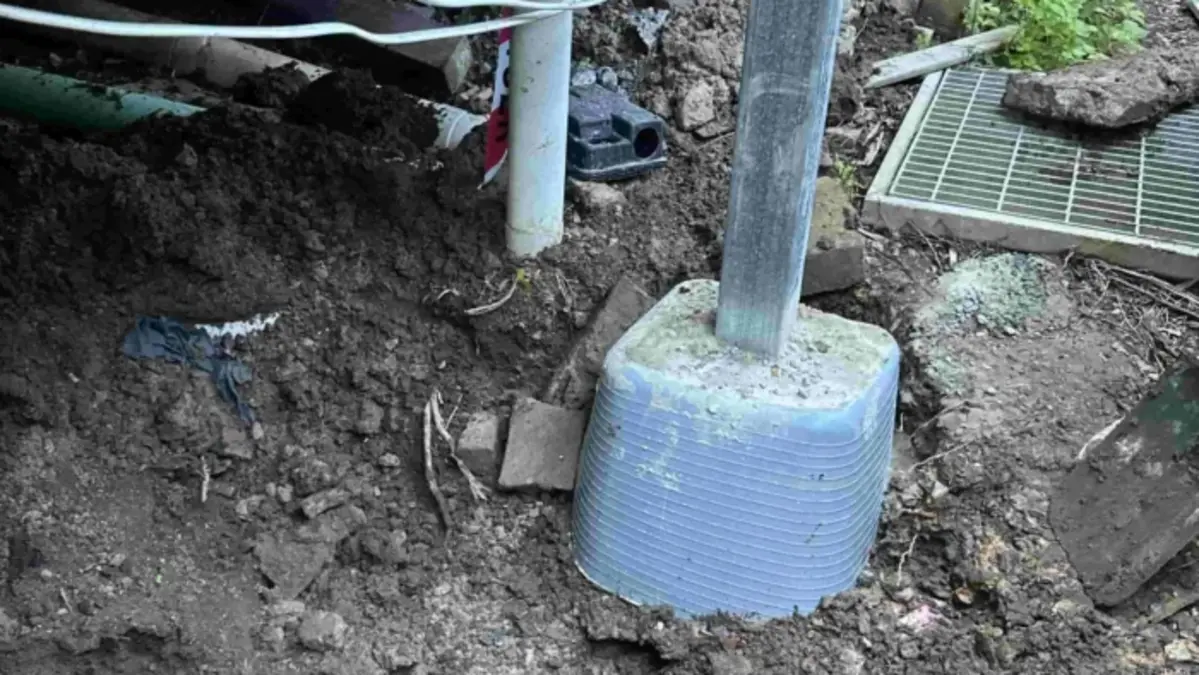
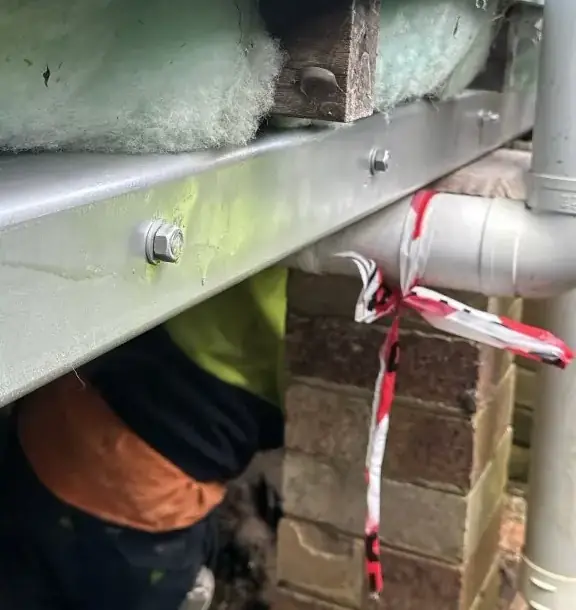
At Lane Cove, SCE combined staged stabilisation and investigation with permanent footing and steel-member works. The project required engineering coordination and a construction sequence that kept the building supported while the affected elements were replaced. This is why a structural repair quotation needs to explain temporary support, access and the transition to the permanent structure, as well as the final repair.
Related structural services and planning
Structural Remedial Services
Explore SCE’s structural repair, strengthening and alteration services for the work your building requires.
Concrete Remedial Services
Explore concrete repairs for deterioration, spalling, cracking and reinforcement corrosion.
Structural-damage options
Review the related article for a practical overview of possible responses after structural damage is identified.
Remedial Planning Tool
Organise defect information, reports, access constraints and approval requirements before seeking a defined next step.
Structural remediation FAQs
What is structural remediation?
Structural remediation is the condition-led process of investigating structural damage, deterioration, movement or loss of performance and delivering an accepted repair, strengthening, alteration or replacement response. The scope should address the verified cause, required performance, responsibilities, access, safety and quality controls.
What signs may indicate that structural remediation should be investigated?
Possible signs include new or widening cracks, deflection, uneven floors, displaced elements, loose concrete, exposed reinforcement, corroded steel, decayed timber, persistent water-related deterioration, damaged connections or distress after impact, excavation or a change in loading. These signs do not establish the cause by themselves.
What commonly causes structural deterioration?
Causes can include water entry, corrosion, settlement, erosion, service failures, overloading, impact, altered load paths, construction or detailing defects, ageing, chemical exposure, fire, flood or several interacting mechanisms. Investigation should determine the project-specific cause and significance.
Who decides the structural remediation scope?
The required parties depend on the asset and work. A suitably qualified engineer or other responsible designer may need to assess the condition and define or accept the technical scope. The owner controls the project brief and approvals, while the contractor plans and delivers the accepted construction work within its contracted responsibilities.
Does SCE provide engineering services for structural remediation?
Yes. SCE provides coordinated engineering services and construction delivery. Where professional design, reports, declarations or certification are required, SCE engages appropriately qualified and insured third-party consultants, verifies their credentials and insurance, and coordinates their deliverables with the construction scope. Each consultant remains responsible for its own professional and regulated work.
Does the NSW DBP Act apply to every structural remediation project?
No single answer applies to every project. Requirements depend on matters including the building class, work type, whether regulated designs or building work are involved and the approval pathway. Applicability and practitioner responsibilities must be confirmed for the actual scope before regulated work proceeds.
How much does structural remediation cost and how long does it take?
Cost and programme depend on the cause, affected elements, investigation and design needs, temporary works, access, approvals, occupied-building controls, materials, sequencing, testing and uncertainty. A reliable estimate requires a defined scope and project information; early visible symptoms alone are insufficient.
Plan your structural remediation project
SCE delivers complex structural repairs, strengthening and alterations with coordinated engineering and construction management. Send the site address, photographs, defect history, available drawings or reports, access constraints and required programme so we can define the investigation, temporary works and construction requirements.