
All SCE questions and answers · SCE homepage
A durable repair starts with understanding the defect and the forces or moisture causing it. These answers connect investigation, engineering and practical construction so owners can make informed decisions. SCE’s remedial building team delivers coordinated repair scopes for buildings across Sydney and NSW.
Choose a topic below, then open a question for the answer. For advice on your building, send SCE your project details.
Understanding the defect
What is building remediation?
Building remediation investigates and corrects defects or deterioration so the affected building elements can perform their intended function. It may involve concrete, structure, waterproofing, façades, roofs or several connected systems. SCE establishes the cause and extent before defining the repair. A cosmetic finish can form part of reinstatement, but it does not replace the investigation and technical work needed to address the underlying problem.
What is concrete cancer?
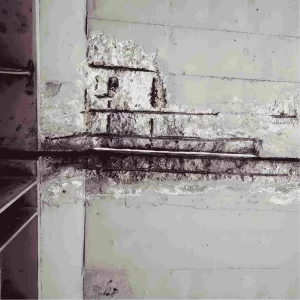
Concrete cancer commonly describes deterioration associated with corrosion of embedded steel reinforcement. Expanding corrosion products can crack or displace the surrounding concrete, but similar visible symptoms can have other causes. SCE assesses the concrete, steel condition and exposure before specifying repairs. Our concrete cancer service explains the coordinated repair approach.
What is the difference between concrete cracking and spalling?
A crack is a separation in the concrete. Spalling is the breaking away of material from the surface or section. They may occur together, but their cause, significance and treatment can differ. SCE assesses the pattern, location, extent and surrounding conditions before selecting a method. Our concrete remediation service covers assessment and repair of both conditions.
How can I tell whether a crack is structural?
Crack width alone is not enough. The location, pattern, movement, construction type, load path and changes over time all matter. An assessment may include monitoring, drawings and targeted testing. SCE coordinates the appropriate structural review rather than declaring a building safe from a photograph. Report sudden changes, displacement or loose material promptly and keep people away from a potentially unsafe area.
Why does repaired concrete sometimes crack again?
A repair can fail when movement, moisture, corrosion, inadequate preparation or a mismatch between repair materials and the substrate remains unresolved. The repair method may also have been unsuitable for the defect. SCE reviews the previous work and cause before repeating it. Records of the earlier product, preparation, installation conditions and inspection results help distinguish a material issue from an incomplete repair scope.
From SCE’s experience of revisiting failed repairs, the investigation needs to look beyond the visible patch. Our engineering and construction team checks the age and condition of the retained concrete, loose or unsound material, surface preparation and bond, curing, expected loading and the function of nearby joints. Those findings determine what must change in the repair scope.
Investigation and design
What happens during a remedial building inspection?
The inspection reviews the reported symptoms, available drawings and reports, access and the condition of affected areas. The team identifies what can be established visually and where testing or opening up is needed. SCE records findings and develops the next investigation or repair scope. Send the history of previous repairs, photographs and any changes in the problem beforehand so the inspection can focus on the important uncertainties.
Do we need testing before requesting repair quotations?
Testing is useful when it resolves uncertainty that materially affects the repair scope or design. It may concern concrete condition, moisture, reinforcement, ground conditions or another specific issue. SCE helps identify the question each test should answer. Pricing an undefined defect can leave contractors making different assumptions; targeted investigation can produce more comparable quotations and reduce avoidable surprises.
Can SCE review an existing engineer’s repair design?
Yes. We can review buildability, access, sequencing and interfaces, and coordinate proposed alternatives with the responsible designer. A change must retain the required performance and receive the necessary approval before implementation. At Emu Heights, ground investigation informed a more appropriate foundation approach. That experience illustrates why evidence can improve a proposal without treating the original design as something to disregard.
Why might a structural repair need temporary support?
Removing or altering a wall, beam, slab or other load carrying element can change how loads are transferred during the work. Temporary support and sequencing must be assessed before demolition or cutting begins. SCE appoints supervision suited to the structural scope and gives the team authority to stop if conditions differ from the plan. Our structural alteration service includes coordination of these construction stages.
Can a small building repair involve civil engineering?
Yes. Drainage, retaining structures, foundations, access and underground services can connect a building defect to civil work. SCE combines building and civil construction capability so those interfaces can be assessed together. This is particularly useful for constrained sites where a small visible defect depends on what is happening in the ground or outside the building footprint.
Selecting the repair
Can concrete cracks be injected rather than rebuilt?
Injection can suit some cracks, but the material and method depend on whether the crack is moving, wet, structural or associated with another defect. It is not a universal substitute for concrete replacement or structural strengthening. SCE assesses the crack’s purpose and condition and coordinates a suitable method through our concrete crack remediation service.
When are cementitious concrete repair materials suitable?
Cementitious repair mortars can suit selected concrete restoration work when the substrate, repair depth, exposure and required performance match the chosen system. Preparation, reinforcement treatment, placement and curing are important to the outcome. SCE follows the approved repair specification and product requirements rather than selecting on compressive strength alone. The concrete service page explains material selection in more detail.
SCE checks bond, shrinkage behaviour and expected loading alongside the required strength and the condition of the existing concrete. Surface preparation, a bonding layer where specified, placement and curing are planned as one system. Primers or admixtures must suit that specified system; adding a retarder is not a universal repair step.
SCE has encountered residential repairs made with general-purpose mortar without establishing its suitability for the concrete element. A purpose-made concrete repair mortar and an ordinary masonry mortar are not interchangeable by default. We specify the material for the repair’s structural role, location and service conditions, then check preparation, installation and curing against that specification.
Can corroded reinforcement simply be covered with new mortar?
The condition and extent of the steel deterioration must first be assessed. The repair may require removing unsound concrete, preparing or supplementing reinforcement and treating the causes of corrosion. Covering visible rust without that assessment can conceal an unresolved defect. SCE coordinates the specified steel and concrete work and records the condition before the area is closed.
When is structural strengthening needed?
Strengthening may be required where the existing structure cannot meet the assessed loading or performance requirements, or where an alteration changes those requirements. Repairing a damaged surface and increasing structural capacity are different tasks. SCE’s structural strengthening service coordinates the design, construction method, access and inspection requirements for the actual building.
Can a balcony be repaired without replacing the whole slab?
Sometimes, depending on the structure, extent of deterioration, water entry and the condition of the surrounding assembly. The assessment should include edges, reinforcement, joints, drainage, balustrade connections and waterproofing where relevant. SCE compares the repair scope with more extensive replacement and explains what can be retained. A finish or coating alone should not be used to conceal a known structural or waterproofing defect.
What determines whether subsidence repairs need underpinning?
The cause and pattern of movement, ground conditions, foundation arrangement and ongoing influences determine the response. Drainage or other site issues may need attention alongside structural work. Underpinning should follow an engineering assessment rather than be assumed from a wall crack. SCE can coordinate investigation and construction through our subsidence repair service.
Cost, staging and approvals
What affects the cost of remedial concrete work?
Cost depends on the defect’s depth and extent, access, investigation, design, temporary support, repair materials and reinstatement. Small scattered repairs can require substantial access and protection, while concealed damage can change quantities. SCE identifies those assumptions in the scope. Use the remedial planning tool to organise known defects and the quotation comparison tool to compare equivalent proposals.
Can remedial work be completed in stages?
Yes, if the technical and safety assessment supports the proposed sequence. Staging can help manage access, occupation and budgets, but a temporary stage must not leave an unsafe structure or an uncontrolled water path. SCE explains the dependencies and distinguishes urgent stabilisation from later permanent work. Each stage should have a clear scope, inspection requirements and a record of what remains unfinished.
Do remedial repairs require approvals and registered practitioners?
The building class, repair scope and applicable approval pathway determine the requirements. Calling work maintenance does not by itself remove design, registration or approval obligations. SCE holds building practitioner registration and coordinates appropriate engineering and design appointments. Start with our DBP applicability tool and confirm the project’s requirements before work proceeds.
Can residents stay during structural or concrete repairs?
That depends on the risks, temporary support, noise, dust, access and service interruptions. SCE develops work zones and communicates restrictions before each stage. Some work may require temporary exclusion from rooms, balconies or wider areas. The programme should show those requirements clearly rather than leave occupants to discover them on the day. Our occupied building planner helps capture these needs.
Quality and handover
What inspections should happen before a repair is covered?
The project’s inspection plan should identify the important concealed stages, such as substrate condition, reinforcement, anchors, waterproofing interfaces and completed preparation. SCE records the required inspections and approvals before finishes hide the work. The SCE management system supports this traceability. Photographs are useful evidence, but they do not replace an inspection or test required by the specification.
What does a remedial handover include?
The agreed package records the repaired areas, products, approved changes, inspection and test results, warranties and maintenance needs. Include the relevant design and approval documents and identify any retained or deferred defects. SCE explains the information so an owner or facilities manager can maintain the repair and understand its scope. Handover should make future decisions easier rather than leave a collection of unlabelled photographs.
What SCE experience is relevant to structural remedial work?
SCE’s Toronto project combines major renovation and structural alteration experience. Our structural and remedial portfolio provides further examples. Frank Manesh and Farshid Manesh bring engineering and construction management experience to scope, sequencing and supervision decisions. The proposed team is matched to the particular defect and building.
At Toronto, SCE removed external concrete stairs affected by spalling, extended the top floor and repaired areas around the new internal staircase. The team found part of the existing slab without proper support and rectified the support before the concrete cancer and spalling repairs. The support and repair work was designed, inspected and signed off by an engineer.
How do I start a remedial project with SCE?
Send the address, defect history, photographs, available reports, any urgent restrictions and your desired outcome through the enquiry form. Tell us whether the building is occupied and who can authorise the work. SCE can identify the next investigation or scope step and discuss delivery across our service locations. If an area appears unsafe, keep people clear and arrange urgent professional assessment.
Discuss your project with SCE
Send the address, photographs, available reports, desired outcome and timing through our website enquiry form. Our team can review the information and plan the next step. Learn about SCE’s building and civil capability, review our certifications, registrations and insurance evidence, or return to the FAQ hub.
Information reviewed 1 November 2026. Project requirements depend on the site, scope and applicable approvals.