Cause and extent
Assessment may need to consider reinforcement corrosion, carbonation, chloride exposure, water entry, inadequate cover, cracking, movement, contamination, impact, construction defects and earlier repair performance.

Existing reinforced-concrete assets
SCE Corp delivers concrete cancer remediation across Sydney and selected NSW locations. Our engineering and construction capability brings investigation, repair design, procurement and site delivery together for complex reinforced-concrete repairs, with the design, access and quality controls defined for each project.
Concrete cancer commonly refers to reinforced-concrete deterioration associated with reinforcement corrosion. Cracking, delamination, spalling, rust staining or exposed reinforcement may indicate a problem, but visible symptoms alone do not establish the cause, extent, structural significance or correct repair method.
Where loose concrete, falling material or instability is suspected, access restrictions and make-safe controls may be required before ordinary investigation or repair planning.
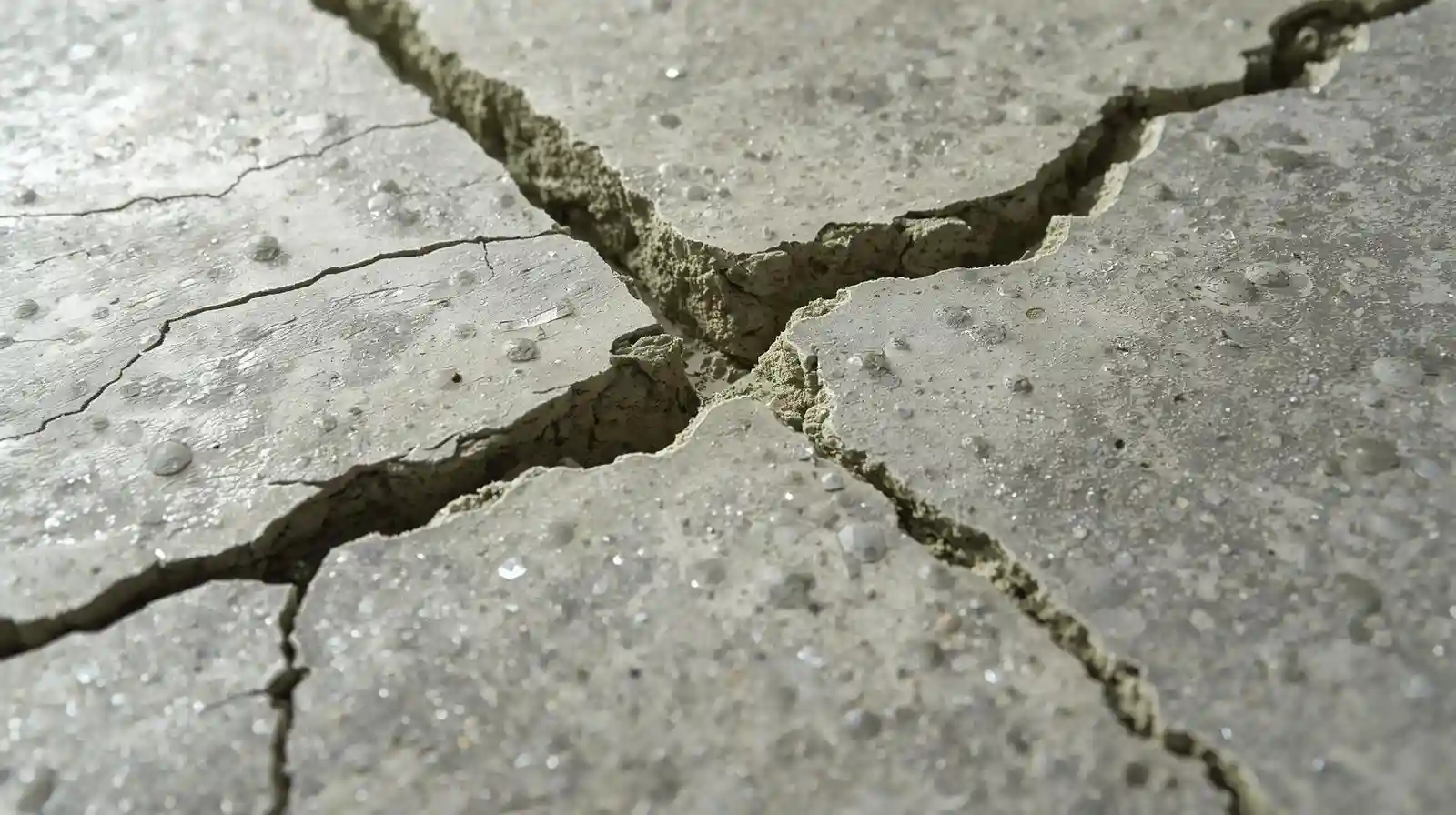
Assessment may need to consider reinforcement corrosion, carbonation, chloride exposure, water entry, inadequate cover, cracking, movement, contamination, impact, construction defects and earlier repair performance.
The responsible engineer, consultant or other appropriately qualified or registered practitioner determines required testing, structural significance, repair design, regulated documentation and acceptance requirements where applicable.
The scope must address access, temporary controls, occupants, public protection, services, containment, dust, debris, noise, work at height, sequencing, curing and the required programme.
Confirm the asset, visible symptoms, urgency, available reports and drawings, previous repairs, exposure, access and required outcome.
Establish the inspections, testing, opening-up, engineer or consultant input, temporary controls and responsibility allocation required for the project.
Translate accepted findings and design information into defined repair areas, preparation, materials, sequencing, hold points, exclusions and acceptance requirements.
Coordinate access, containment, isolation, occupant or public protection, dust and debris controls, temporary works and the delivery programme.
Complete the contracted work with the specified removal, preparation, treatment, reinstatement, curing, protection and inspection controls.
Provide the agreed completion records and identify outstanding monitoring, maintenance or consultant requirements without overstating the achieved outcome.

A defined concrete cancer repair may include mapping affected areas, controlled removal of unsound concrete, substrate preparation, reinforcement exposure and cleaning, specified reinforcement treatment or replacement, reinstatement with a compatible repair system, curing and protective finishing.
Products, removal limits, reinforcement requirements, crack treatment, coatings, membranes, electrochemical systems or structural strengthening must be selected for the verified cause, substrate, exposure and design purpose. They are not universal inclusions merely because concrete cancer is suspected.
SCE brings engineering assessment, repair design, procurement and construction together through its qualified delivery team and appropriately appointed specialists. The agreed scope identifies the responsible practitioners for regulated design, declarations and certification, alongside the construction programme and quality controls.
Scopes can require coordination with owners corporations, strata and facility managers, asset owners, consultants, principal contractors, occupants and affected neighbours.
Project controls may include repair-area mapping, substrate acceptance, material records, mixing and application checks, curing, photographs, hold points and consultant inspections where specified.
Close-out should reflect the agreed scope and may include repair records, product information, photographs, inspection records and identified monitoring or maintenance requirements.
SCE rectified extensive concrete cancer during the Toronto residential renovation in Lake Macquarie. The project combined that remedial work with engineer-designed structural alterations and roof, exterior and interior upgrades, demonstrating SCE’s ability to deliver concrete repairs within a complex, coordinated construction project.
Explore the completed Toronto renovation and structural alteration project.
Experienced leadership for a complete repair scope. Managing Director Frank MANESH brings civil and construction engineering experience spanning defect assessment, structural remediation, temporary support and building restoration. That background is relevant when concrete deterioration affects adjoining finishes, occupied areas or the stability of an existing structure.
SCE brings investigation, repair design, procurement and construction together through its delivery team and appropriately appointed specialists. The practical aim is a defined repair that addresses the assessed deterioration and its interfaces, with access, preparation, inspection and reinstatement planned together.
Explore assessment and repair options for broader concrete deterioration, spalling and cracking.
Use the cracking pathway where the primary concern is cracking and its cause, movement, moisture or structural significance requires investigation.
Explore defined concrete repair packages within wider structural work, including repair limits, temporary support and adjoining construction.
Owners corporations and strata managers can review the strata pathway for common-property coordination, access and stakeholder requirements.
Verify SCE Corp's ISO 9001, ISO 14001 and ISO 45001 certifications, NSW DBP registration, contractor licence and insurance records.
Review relevant project records by scope, contractual role, constraints and the evidence available for the completed work.
Use the Remedial Planning Tool to identify whether make-safe, investigation, consultant review or a defined contractor scope may be the next step.
SCE delivers concrete cancer repairs in the following areas, with access, technical requirements and construction staging planned for each property.
Concrete cancer commonly describes reinforced-concrete deterioration associated with reinforcement corrosion. As corrosion products expand, they can contribute to cracking, delamination and spalling. The cause and extent must be assessed before a repair method is selected.
Possible signs include rust staining, cracking along reinforcement lines, loose or drummy concrete, delamination, spalling and exposed reinforcement. These symptoms do not confirm the cause or structural significance, so appropriate assessment is required.
The required assessment depends on the asset and concern. It may include visual inspection, sounding, repair-area mapping, cover or corrosion-related testing, opening-up, review of drawings and earlier repairs, and engineering or consultant input. The responsible professional determines what investigation is necessary.
A specified repair may include controlled removal of unsound concrete, substrate and reinforcement preparation, specified reinforcement treatment or replacement, compatible reinstatement, curing and protective finishing. The accepted assessment and repair design or specification determine the actual method.
Sometimes, subject to falling-material risk, access, isolation, dust, noise, debris, work-at-height, temporary works and operating restrictions. Staging must suit the building's use and the requirements of the owner, principal, owners corporation, engineer, consultant, certifier or relevant authority.
It may apply to certain regulated building work and design activities. Applicability depends on the building, work and statutory definitions. Required registered practitioners, regulated designs, declarations and compliance steps should be confirmed before relevant work proceeds.
Provide the address, asset type, photographs, known symptoms, available reports and drawings, repair specification if prepared, previous repair history, access constraints, approval status, operating restrictions and required programme. SCE can then assess whether the scope is sufficiently defined and commercially suitable or whether further investigation is required first.
Send the available reports, drawings, photographs, repair requirements, access constraints and programme so SCE can identify the investigation, repair scope and delivery arrangements required.