Start with the question
What each investigation method can establish
Neither method is automatically “better”. The right level of investigation depends on what must be known to define, design, price and safely deliver the proposed work. A preliminary visual inspection may be enough to identify a symptom and set the next step. It may not be enough to convert concealed assumptions into a reliable construction scope.
Visual inspection
Records accessible surface conditions without intentionally removing finishes or components.
- Photographs visible cracking, staining, displacement, corrosion signs and failed sealants.
- Can include dimensions, levels, moisture readings and other non-destructive observations where suitable.
- Supports triage, defect mapping, access planning and selection of further tests.
- Is limited by access, lighting, finishes, weather, occupancy and concealed construction.
Controlled intrusive investigation
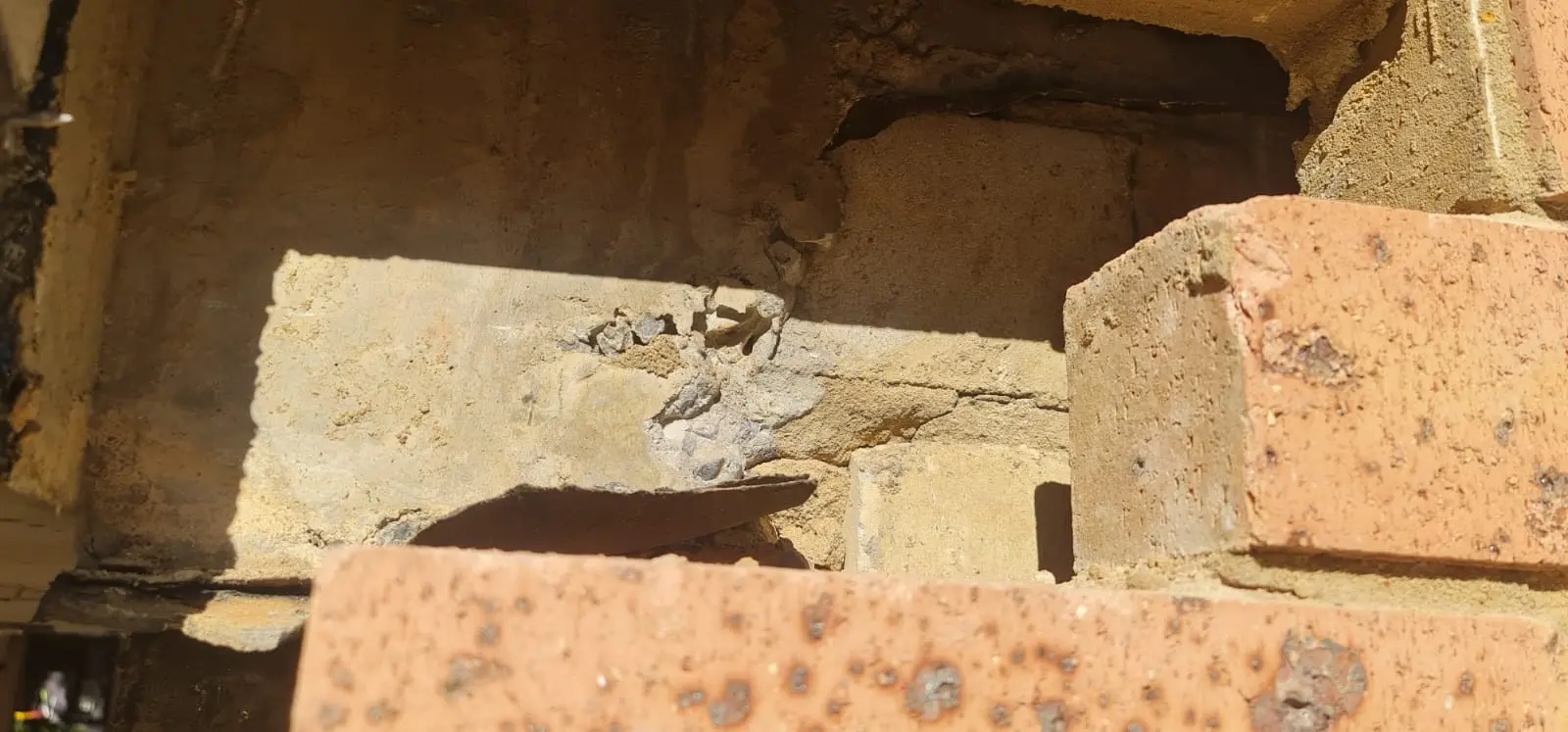
Intentionally exposes or samples a limited location to answer a defined question about concealed construction.
- May involve removing a local finish, lifting a component, forming a small opening or taking a sample.
- Can verify layer build-up, substrate condition, interfaces, fixings, voids or a suspected moisture path.
- Requires planning for hazards, live services, containment, access, weatherproofing, make-safe and reinstatement.
- Does not mean opening broadly or prescribing destructive work on every defect.
Important: opening-up is one possible method within a wider investigation plan. Records review, monitoring, measurements, non-destructive testing, moisture testing, scanning or specialist sampling may answer the question with less disturbance. A project-specific decision should select the least disruptive method that can provide sufficiently reliable evidence.
Owners, strata and building managers
Plan the people, permissions and occupied-building interface
Opening-up affects more than the inspection team. It can change access, resident amenity, common property, waterproofing, structure, fire or acoustic separation, security and reinstatement responsibilities.
Owner or owners corporation
Confirms the affected property and authority to proceed, approves the budget and scope, supplies records, identifies decision-makers and agrees who is responsible for make-good and ongoing maintenance.
Strata or building manager
Coordinates access, notices, keys, inductions, residents or tenants, by-laws, working hours, common-area protection, shutdowns and the retained building record.
Appropriate practitioners
Where the questions involve engineering judgement, regulated design, hazardous materials, certification or another specialist field, the suitably qualified or registered practitioner determines the requirements within that role.
Investigation contractor
Implements the agreed method, access and controls; records the exposed condition; observes hold points; makes the area safe; and completes the agreed temporary or permanent reinstatement.
Certifier or authority
Performs any separate statutory approval, certification or regulatory function where the applicable pathway requires it. These functions should not be implied to sit with the investigation contractor.
Before strata work
Check the scheme’s by-laws and speak with the owners corporation, strata committee or strata manager. NSW guidance distinguishes cosmetic, minor and major renovations and notes that work affecting structure, waterproofing, ceilings or common property can require different approval steps.
Read the current NSW strata renovation rules.
Before disturbing building material
Review asbestos information and the proposed disturbance with the competent project team. SafeWork NSW guidance addresses asbestos registers, competent-person identification and controls before demolition or refurbishment work, including residential premises.
Read the SafeWork NSW asbestos Code of Practice.
Role boundary
This guide is general decision-support information, not a site-specific instruction, engineering opinion, design, certification, hazardous-materials assessment, approval determination or legal advice. SCE may coordinate construction access, controlled opening-up, make-safe and reinstatement where those activities form part of an agreed project scope and appropriate project governance. Independent or statutory functions remain with the relevant appointed practitioner, certifier or authority.
Last reviewed: 2 September 2026. General information only; obtain project-specific advice from the appropriate practitioners and authorities.