
Structural-damage decision guide
Options for Addressing Structural Damage
The appropriate response may be urgent risk controls, monitoring, source correction, local repair, strengthening, alteration or replacement. The visible symptom alone does not determine which option is suitable.
What to do when structural damage is suspected
Control immediate risk
Keep people clear of loose material, unstable areas, damaged supports or another suspected hazard. Temporary exclusion, propping, shoring, make-safe work or emergency advice may be required.
Preserve useful evidence
Record the location, dimensions, photographs, changes over time, recent incidents, leaks, nearby works, altered loads and available drawings or reports without disturbing unsafe areas.
Obtain competent review
The required parties depend on the condition and asset. A suitably qualified engineer or other responsible consultant may need to assess significance and define monitoring, investigation or design requirements.
What the investigation should establish
A reliable option comparison requires more than describing the visible defect. The investigation should reduce uncertainty and define the accepted outcome.
Condition and extent
Identify the affected elements, locations, material loss, movement, cracking, distortion, corrosion, moisture, connection damage and hidden areas requiring opening-up or testing.
Cause and activity
Determine the likely mechanism and whether it is active, recurring or historic. Causes may include water entry, corrosion, ground movement, service failure, impact, fire, altered loads or construction defects.
Structural significance
Confirm how the affected part contributes to the load path, stability, robustness, serviceability and durability requirements, and whether temporary controls are needed.
Required outcome
Define the accepted capacity, serviceability, durability, fire, waterproofing, appearance, maintenance and operational requirements relevant to the actual project.
Project constraints
Record occupancy, access, hazardous materials, services, approvals, neighbour interfaces, working hours, shutdowns, protection, waste removal and programme constraints.
Verification requirements
Set design responsibilities, hold points, inspections, testing, tolerances, records, declarations, certification and completion evidence before construction proceeds.
Possible responses to structural damage
More than one response may be combined. These are decision categories—not a method recommendation for a particular building.
Urgent make-safe or temporary support
Exclusion zones, removal of loose material, temporary propping, shoring, protection or load restrictions may be required while the condition is investigated and permanent work is designed.
Monitoring and planned maintenance
Monitoring may be suitable only where a competent assessment accepts it. The plan should define what is measured, frequency, trigger levels, responsibility and the action required if conditions change.
Correct the contributing source
Drainage, water entry, failed services, corrosion exposure, ground loss or another contributing source may need to be controlled before or with the structural work.
Local repair or reinstatement
Deteriorated concrete, masonry, steel, timber, reinforcement, connections or protective systems may be repaired or replaced where the remaining structure and accepted design permit.
Strengthening or stabilisation
Project-specific strengthening may increase or reinstate capacity, stiffness, stability or robustness through designed members, connections, reinforcement, supports or foundation measures.
Alteration or replacement
Partial or complete replacement, a changed load path or another structural alteration may be preferable where local repair cannot reliably achieve the required outcome or creates unacceptable risk or whole-of-life cost.
How technically acceptable options are compared
Risk and required performance
Compare each option against the accepted structural, serviceability, durability, fire, waterproofing and operational requirements—not only the visible finish.
Cause control and recurrence
Confirm whether the option addresses the verified cause, manages uncertainty and provides an appropriate inspection and maintenance pathway.
Buildability and temporary works
Consider load transfer, sequencing, access, lifting, propping, service isolation, protection, occupied-building controls, testing and hold points.
Approvals and responsibilities
Identify the required owner approvals, consent authority pathway, regulated designs, declarations, certifications and responsibility for each deliverable.
Cost, programme and disruption
Compare investigation, design, temporary works, construction, access, shutdown, relocation, testing, delay and contingency—not only the initial repair price.
Whole-of-life requirements
Consider expected service conditions, inspection access, maintenance, warranties, residual risk, future adaptability and the evidence needed at completion.
Compare the same completed outcome
Ask each option to account for the same end condition: a stable structure, the contributing source addressed, disturbed services restored and affected finishes reinstated. A low price for a beam or footing is not comparable with a package that also includes investigation, temporary support, service replacement and handover.
Record the assumptions that could change the decision after opening-up. If deterioration extends beyond the assessed area or a support differs from the drawings, obtain a revised assessment before continuing the affected work. Agree who makes that decision and how its cost and programme consequences will be reviewed.
Engineering, construction and regulated responsibilities
Structural-damage projects can involve different parties for investigation, design, regulated declarations, certification, temporary works and construction delivery.
SCE’s coordinated service
SCE delivers structural remediation through coordinated engineering and construction, integrating investigation, design management, temporary works, structural repairs and reinstatement. Our engineering team manages scope integration, consultant inputs, construction interfaces, RFIs, hold points and delivery oversight.
Third-party engineering consultants
Where professional design, reports, declarations or certification are required, SCE engages appropriately qualified and insured third-party consultants. SCE verifies qualifications, registrations, relevant experience, certificates and insurance, including professional indemnity insurance, before engagement.
Defined accountability
Each consultant remains responsible for its own professional and regulated deliverables. SCE remains responsible for its contracted coordination and construction obligations. The project documents should allocate every design, review, declaration, certification, construction and acceptance role.
Verified SCE project evidence: condition to permanent response
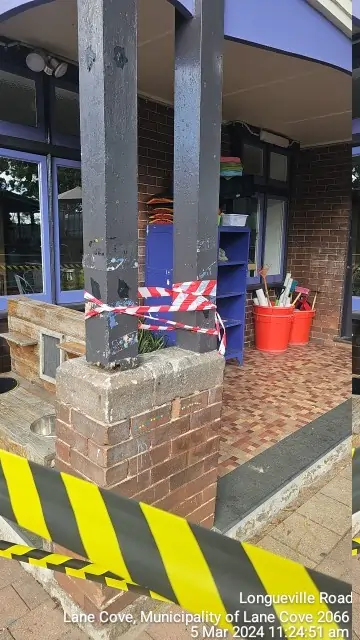
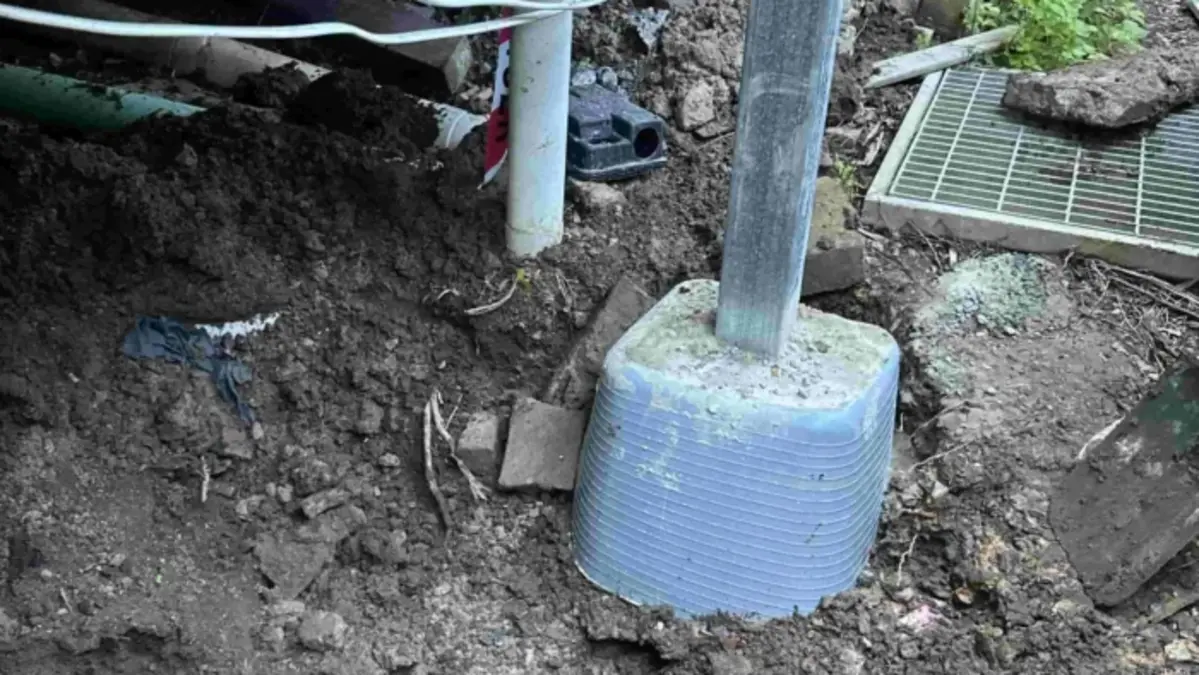
At SCE’s Lane Cove school project, controlled excavation identified a broken sewer line associated with subsidence near a masonry pier. SCE delivered temporary support, structural steel, a permanent footing, sewer replacement and reinstatement during the December 2025 school holidays. This was a combined structural and services response, rather than an isolated repair to the visible pier.
Explore structural repair, strengthening and planning
Structural Remedial Services
Discuss investigation, engineering and construction for damaged structural elements and connected building work.
Structural Strengthening
Use this service where an accepted design requires strengthening construction to reinstate or increase defined structural performance.
Structural Alterations
Use this service where the accepted scope modifies existing structural elements, supports, openings or load paths.
Concrete Remedial Services
Use the concrete pathway where deterioration, spalling, cracking or reinforcement corrosion is the primary issue.
What Is Structural Remediation?
Review the related guide for warning signs, causes, investigation and responsibility boundaries.
Remedial Planning Tool
Organise defect information, reports, access constraints and approval requirements before seeking a defined next step.
Structural damage options FAQs
What should I do first if structural damage is suspected?
Keep people clear of any suspected immediate hazard and obtain competent site advice where instability, falling material, damaged supports, impact or fire damage may exist. Record useful information only where it is safe to do so. The permanent response should not be selected until the cause, extent and structural significance are understood.
How is the right response to structural damage selected?
The responsible parties should establish the cause, affected elements, required performance and uncertainty, then compare technically acceptable options against risk, temporary works, access, approvals, disruption, programme, cost, maintenance and verification requirements. A visible crack or damaged finish alone is not enough to select the method.
Can structural damage be monitored instead of repaired?
Monitoring may be suitable only where a competent assessment accepts it. The monitoring plan should identify what is measured, the frequency, trigger levels, responsibility and the action required if conditions change. Monitoring is not a substitute for urgent controls or necessary repair.
When is strengthening used rather than a local repair?
Strengthening may be considered where the accepted design requires increased or reinstated capacity, stiffness, stability or robustness. A local repair may address deteriorated material but may not satisfy a separate structural-performance requirement. The decision must be project-specific.
When might structural alteration or replacement be more suitable?
Alteration or replacement may be more suitable where local repair cannot reliably achieve the required outcome, the load path must change, deterioration is extensive, access makes repair impractical, or repair creates unacceptable risk, disruption or whole-of-life cost. The comparison should be documented against the project requirements.
Does SCE provide engineering services for structural-damage projects?
Yes. SCE provides coordinated engineering services and construction delivery. Where professional design, reports, declarations or certification are required, SCE engages appropriately qualified and insured third-party consultants, verifies their credentials and insurance, and coordinates their deliverables with the construction scope. Each consultant remains responsible for its own professional and regulated work.
Does the NSW DBP Act apply to every structural-damage project?
No single answer applies to every project. Requirements depend on matters including the building class, work type, whether regulated designs or building work are involved and the approval pathway. Applicability and practitioner responsibilities must be confirmed for the actual scope before regulated work proceeds.
Need a defined next step for structural damage?
Provide the site address, photographs, defect history, available drawings or reports, access constraints and required programme. SCE will review the investigation, engineering and construction requirements with you.