
New Build vs Established Property: Construction Feasibility Checks for NSW Buyers
New build vs established property NSW decisions should not be made on tax settings, purchase price or listing presentation alone. Construction feasibility, defects, services, approvals, timing, documentation and delivery risk can change the real project pathway.
Recent Budget settings may increase attention on new builds for some investors. SCE brings construction and engineering expertise to the separate question of whether the property, site and intended improvement pathway are technically realistic before the buyer commits further.
Comparing a new build and an established property? Get a construction-first feasibility view before you commit.
SCE does not provide financial, tax, legal, SMSF, FIRB, valuation, buyer's-agent, real estate or investment advice. Tax eligibility, negative gearing, CGT and ownership-structure questions should be reviewed by qualified advisers.
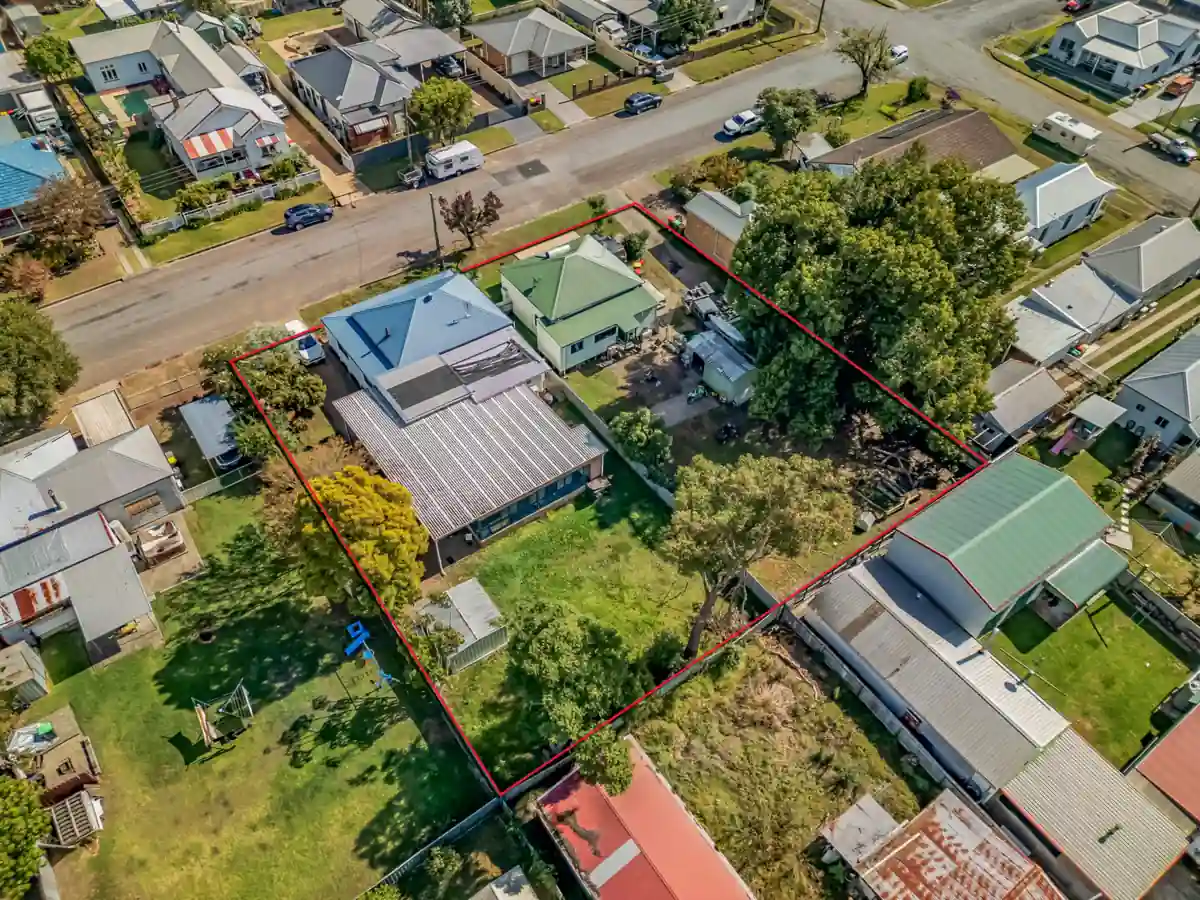
Budget and tax context
The Budget 2026-27 tax reform page states that the Government will limit negative gearing to new builds from 1 July 2027, while existing arrangements remain unchanged for properties held before Budget night. It also states that investors who buy new builds will still be able to deduct losses from other income.
Those settings may affect how some buyers compare new builds and established housing. However, this article does not give tax advice and does not state whether a buyer is eligible for any specific tax treatment.
The practical construction question is separate: does the property have a sound construction, documentation, approval and delivery pathway?
New-build feasibility checks
A new build may appear simpler because the structure is recent or not yet completed. It still needs careful review before a buyer relies on its construction, rental or investment assumptions.
Documentation and approvals
Check approvals, occupation certificate status, warranties, certificates, design documents, engineering records, variations and whether the delivered works match the approved documents.
Defects and completion risk
New does not mean defect-free. Review waterproofing, drainage, cracking, finishes, services commissioning, fire/safety systems where relevant and unresolved builder defects.
Services and site works
Driveway, stormwater, sewer, retaining, landscaping, access, fencing, easements and civil works may still carry cost or compliance risk after the building is mostly complete.
Delivery timing
For off-the-plan or recently completed property, timing risk, practical completion, settlement conditions and documentation gaps should be reviewed by qualified advisers.
Established-property checks
An established property may offer renovation, secondary dwelling, subdivision or value-add pathways, but those pathways should be tested before purchase.
Existing condition
Roof condition, damp, cracking, drainage, services age, asbestos indicators, structural concerns and hidden maintenance can affect the real feasibility of the purchase.
Improvement pathway
Renovation, extension, granny flat, subdivision, knockdown rebuild and rent-ready upgrades each have different approval, service and construction constraints.
Approval constraints
Zoning, heritage, flood, bushfire, trees, easements, setbacks, parking, site area and local controls can affect whether the intended pathway is realistic.
Cost escalation risk
Older buildings can expose unknowns after opening up works. Buyers should allow for investigation, contingency and professional review before relying on simple budgets.
Construction comparison
| Issue | New build | Established property |
|---|---|---|
| Documentation | Check approvals, certificates, warranties, defects lists and delivered scope. | Check age, past approvals, undocumented works, inspection reports and services records. |
| Construction risk | Defects, completion timing, builder quality and unresolved site works. | Hidden defects, maintenance backlog, structural issues and renovation complexity. |
| Improvement pathway | Often focused on occupation, defects, warranties and future adaptability. | Often focused on renovation, granny flat, subdivision or knockdown rebuild potential. |
| Adviser input | Tax, legal, finance and contract review remain critical. | Tax, legal, finance, inspection and feasibility review remain critical. |
Compare the evidence available at each property stage
A completed new home, an off-the-plan purchase and an established home need different evidence. Compare them against the same intended use, scope and time frame rather than treating every “new build” as ready for occupation.
- Completed new home: reconcile the inspected property with the approved plans, occupation documentation, outstanding defects and external works still to be completed.
- Off-the-plan or pre-construction: identify which approvals and designs exist, which remain outstanding, and who is responsible for services, siteworks and completion. Have your solicitor review the purchase terms; a DA does not demonstrate completed construction.
- Established property: distinguish visible condition from concealed structural or services issues. Identify what needs records, inspection or agreed investigation before pricing the proposed alterations.
SCE’s DA-approved Cessnock townhouse development is at pre-construction stage. By contrast, the completed Toronto structural renovation included concrete cancer repairs and major structural alterations. These illustrate different construction tasks, not a prediction of investment returns.
When to use SCE
Use SCE when you need a construction-first view before choosing between a new build and an established property. SCE can help identify construction risk, approval-pathway questions, services/civil constraints, defects, documentation gaps and delivery-readiness issues.
FAQs about new build vs established property NSW
Is a new build always lower risk than an established property?
No. A new build can still have defects, documentation gaps, completion issues, services problems, drainage issues or unresolved site works. It should be reviewed before settlement or further commitment.
Can SCE advise which property is better for tax?
No. SCE does not provide tax advice. SCE can review construction and feasibility risks while tax, finance, legal and ownership questions are handled by qualified advisers.
What should buyers check in an established property?
Buyers should check building condition, services, drainage, roof, damp, structural concerns, undocumented works, approval constraints and whether renovation, granny flat or subdivision ideas are realistic.
Can an established property still be a strong construction opportunity?
Yes, but only if the site, services, approval pathway, existing condition and construction cost drivers support the intended improvement pathway.
When should SCE be involved?
Involve SCE before relying on new-build or established-property assumptions, especially where defects, approvals, renovation, secondary dwelling, subdivision, services or construction cost risks are uncertain.
Ready for a construction-first feasibility view?
If you are comparing a new build and an established property, contact SCE before relying on construction, approval or improvement assumptions.