
Property acquisition & development | Package B
Core Feasibility and Approval Pathway Review NSW
Core feasibility and approval pathway review NSW helps buyers, investors and developers understand construction risk, approval pathway questions and delivery strategy before moving toward acquisition, design coordination or construction scoping.
Sydney Contracting Engineers brings building, civil and multidisciplinary engineering experience to the review. We examine site constraints, access, services, structural questions, approval responsibilities and the information needed to progress into design, procurement and construction.
Package B does not provide financial, tax, legal, SMSF, FIRB, valuation, buyer's-agent or investment advice. These matters should be reviewed by licensed partners or qualified advisers.
Package B is designed for clients who need a clearer construction, approval and delivery strategy before making larger commitments.
When to use Package B
Package B sits within SCE’s property feasibility and construction-readiness services. Review the full package range when comparing an initial property check with a more coordinated approval and delivery review.
Package B suits clients who have moved beyond a basic screen and need a more practical view of whether the property can progress toward design, approval, construction pricing or project delivery.
- Clients assessing renovation, extension or rent-ready upgrade pathways.
- Clients considering a granny flat, secondary dwelling, dual occupancy or subdivision idea.
- Buyers comparing regional NSW opportunities where services, access and approval constraints may be material.
- Developers or owners wanting a clearer route from feasibility to delivery planning.
Review scope
Construction feasibility
Building condition, structural concerns, services, stormwater, access, staging, demolition, retaining, slope and construction sequencing.
Approval pathway review
Early consideration of exempt, CDC, DA, specialist consultant and authority-input pathways, subject to formal advice where required.
Improvement pathway comparison
Practical comparison of renovation, secondary dwelling, subdivision, new-build or staged works options from a construction perspective.
Risk and next-step map
Identification of key delivery risks, information gaps, required consultant inputs and decision points before proceeding further.
Delivery strategy
Package B can help clients understand the likely steps between early feasibility and construction readiness. This may include consultant sequencing, approval dependencies, design information needs, services/civil constraints and construction procurement questions.
Resolve dependencies before advancing the design
SCE combines construction and engineering capability to examine how one decision affects another. For example, a preferred building layout needs to work with access, levels, drainage and utility requirements; an attractive staging plan must still allow the required work areas and temporary access. Comparing options on different assumptions can hide the real scope and programme differences.
- Define the comparison. State the intended outcome, available drawings and common assumptions for each option. Identify demolition, civil works, services, temporary works and occupation constraints.
- Identify the missing decision. Record which survey, investigation, engineering detail, authority response or client instruction is needed, and which later decisions depend on it.
- Sequence the next steps. Agree what can progress now and what needs resolution before more design expenditure, detailed pricing or procurement.
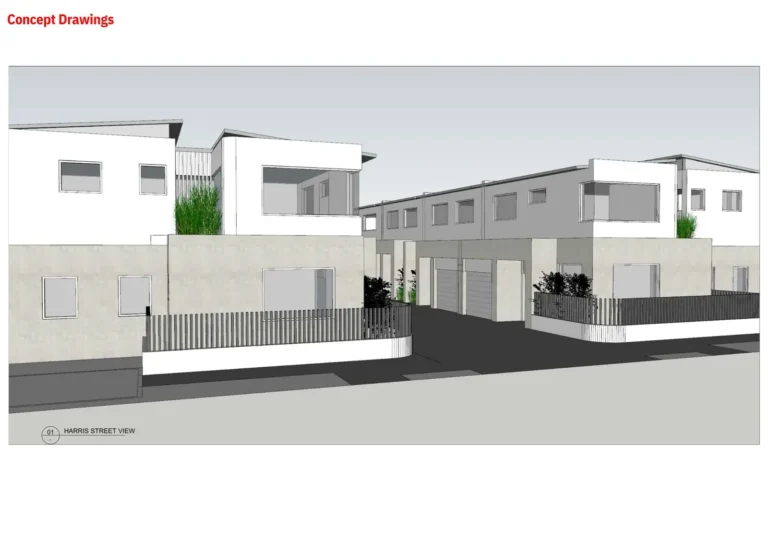
The eight-townhouse Cessnock project shows the range of interfaces involved: architectural and civil documentation, stormwater, utility coordination, surveying, easements and landscape inputs. Its DA-approved status is distinct from the pre-construction documentation and certification needed before building starts. A feasibility review should make that distinction clear for the proposed project.
Test a constrained site before ruling out the idea
A current residential design shows why the building and civil scopes must be reviewed together. The homeowner wanted additional living space, but an easement and underground drainage constrained the proposal. SCE coordinated the architectural and civil engineering inputs, service-location information and a draft relocation approach, with the necessary permissions and council submission steps being prepared.
The work remains in design as at November 2026. Its value at this stage is a defined route for investigating the option, rather than a promise of approval or a completed building. Our duplex and granny-flat site comparison explains how access, services and the intended dwelling use shape that review.
Any construction work, detailed pricing, formal approvals, consultant reports and legal documents are separately scoped.
Licensed partner inputs
SCE can coordinate introductions to licensed finance, accounting, legal, conveyancing, valuation, real estate, buyer's-agent, planning or FIRB-related advisers where a project requires advice outside SCE's construction and engineering scope.
SCE delivers construction and engineering services through its qualified team and established multidisciplinary engineering relationships. The agreed project scope defines design responsibilities and delivery interfaces; independent certification and statutory decisions remain with the properly appointed professionals and authorities.
Registered practitioner and design review
SCE brings its registered practitioner capability and multidisciplinary engineering team to the project review. We identify the design disciplines, registrations, investigations and documentation needed for the proposed work, then define responsibilities before design and construction proceed. The NSW DBP Applicability Checker is an early planning guide; the actual project requirements must be confirmed for the building and scope.
For SCE's verified credentials, see SCE Certifications, Credentials and Verifications.
Related new-build feasibility guide
Package B is suited to buyers who need a clearer comparison between renovation, secondary dwelling, subdivision, knockdown rebuild and new-build pathways before moving into deeper consultant or delivery commitments.
For buyer context, see SCE's guide to new build vs established property construction feasibility checks in NSW.
The DA-approved Cessnock townhouse development illustrates SCE’s developer-led planning and consultant coordination for eight townhouses. The project has unconditional development approval and remains in pre-construction; building work has not commenced.
FAQs about core property feasibility NSW
Use our approval and practitioner-role questions alongside this page to identify the decisions and appointments to resolve for your property.
Should I arrange a construction feasibility review before buying a property?
A review before purchase can identify construction and approval questions that affect whether your proposed work is practical. Send SCE the property details, available plans, intended use and any survey, title, easement or service information you hold. We identify gaps and agree which inspections or specialist investigations are needed, including access, drainage, structural and civil constraints. Our current constrained-site residential design illustrates why an easement needs a coordinated architectural and civil review before an option is dismissed. Keep contract conditions and purchase decisions with your solicitor and financial advisers; a construction review does not replace their advice or guarantee approval.
How is Package B different from Package C?
Package C addresses an early, defined property or construction question. Package B is suited to interacting options, consultant inputs and approval or delivery dependencies that need a more structured comparison. It examines what information is missing, which decisions depend on it and the practical route toward design, approvals and construction readiness. Deliverables and any specialist investigations are agreed for the individual project.
Can Package B compare renovation, granny flat and subdivision options?
Yes. SCE can compare these options from a construction and delivery-risk perspective. Finance, tax, rent and investment outcomes should be reviewed by qualified advisers.
Does Package B include legal or finance advice?
No. SCE can coordinate introductions to licensed advisers where required, but SCE does not provide legal, finance, tax, SMSF, FIRB or investment advice.
Can Package B lead to construction?
Yes, if the property and scope are suitable. Construction work, detailed pricing and contracts are separately scoped after the feasibility and documentation pathway is clearer.
Need a clearer route from feasibility to delivery?
Use Package B when you need a stronger feasibility and approval-pathway review before progressing toward design, approvals or construction-readiness planning.