Understanding Construction and Its Importance | infrastructure development NSW

It’s the foundation of infrastructure and economic progress. From civil works to high rise structures, SCE Corp supports NSW development through certified delivery. The importance of construction industry lies in safety, innovation and sustainability. SCE Corp ensures compliance under ISO, NCC and DBP frameworks.

Construction is one of the most vital industries in the modern world, shaping the environments where people live, work and interact. From towering skyscrapers and intricate bridges to homes and essential infrastructure, the construction process is a cornerstone of societal advancement. In this three part blog, we’ll explore the definition, purpose, functions and critical importance of construction. The built environment plays a vital role in shaping how people live, move and connect. From modern skyscrapers to essential public works, every project reflects human ingenuity and technological progress. SCE Corp supports NSW growth through certified delivery, ensuring each project meets the highest standards of safety, innovation and sustainability. With compliance under ISO, NCC and DBP frameworks, the company drives advancements that strengthen communities, improve functionality and promote a safer, more resilient future for generations to come.

Understanding the Concept of Construction

What is Construction?

At its core, construction refers to the process of creating, assembling and maintaining structures that serve a wide range of purposes. The industry spans everything from small scale residential projects to large scale infrastructure developments such as highways, bridges, railways and public facilities. It brings together a diverse team of architects, engineers, contractors and skilled tradespeople who work collaboratively to transform design concepts into tangible and functional structures.

Construction is inherently multidisciplinary, combining elements of design, planning, engineering and project management. It involves transforming raw materials into built environments that support human activity, improve quality of life and drive economic growth.

The Types of Construction Projects

Construction projects are generally classified into four main categories, each with distinct engineering requirements, regulatory frameworks and construction challenges. Together, these project types support the built environment and the functioning of modern society.

Residential
Focuses on creating housing and living spaces including single family homes, apartments, townhouses and condominiums. Residential construction prioritises occupant safety, comfort, energy efficiency and compliance with building codes and local planning controls.

Commercial
Involves developing buildings used for business and commerce such as offices, retail centres, hotels, warehouses and mixed use developments. These projects require careful coordination of structural systems, fire safety, accessibility and building services to support public use and operational efficiency.

Infrastructure
Covers large scale public works such as roads, bridges, dams, water treatment facilities, drainage systems and transport networks. Infrastructure projects are highly engineering driven, focusing on durability, safety, environmental resilience and long term service performance under heavy loading and exposure conditions.

Industrial
Encompasses major developments such as factories, power plants, refineries and manufacturing facilities. Industrial construction demands robust structural design, specialised process integration and strict compliance with safety, environmental and operational regulations.

Each category plays a vital role in societal development by supporting housing, commerce, mobility and industrial productivity. Collectively, these construction sectors form the backbone of modern civilisation, shaping how communities grow, operate and interact over the long term.

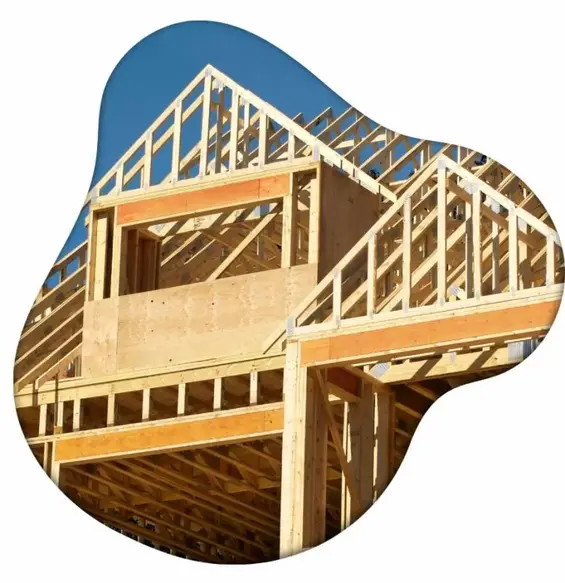
 
 
what is construction infrastructure development NSW, North Sydney, north shore

The Purpose and Functions

What Is the Main Purpose of Construction?

The primary purpose of construction is to create environments that enable human activities, improve quality of life and support economic growth. By providing shelters, workplaces, transportation systems and recreational facilities, construction serves as the backbone of modern society.

For example, constructing residential buildings addresses the fundamental human need for housing. Similarly, infrastructure projects such as bridges and railways enhance connectivity, boosting economic activities and accessibility to essential services. Learn more about how construction improves society by visiting Go Construct.

The Main Functions of Construction

  1. Providing Shelter: It fulfils the basic need for secure and comfortable living spaces.

  2. Facilitating Business Operations: Commercial structures are essential for business growth and economic activities.

  3. Enhancing Connectivity: Roads, railways and bridges improve transportation and foster social interaction.

  4. Supporting Public Services: Hospitals, schools and government buildings are crucial for delivering public benefits.

  5. Promoting Sustainability: Integrates eco friendly designs and materials to reduce environmental impact.

These functions highlight the industry’s integral role in shaping communities and economies.

The Strategic Goals

The overarching aim of construction is to transform ideas and designs into tangible structures that enhance functionality, aesthetics and sustainability. Whether it’s a towering skyscraper or a modest residential home, every construction project serves a broader purpose in shaping how people live, work and interact within their environments.

Construction projects strive to:
• Create Usable Spaces: Design and build functional environments that serve specific needs such as housing, workplaces, transportation systems and public facilities.
• Foster Innovation: Embrace modern technologies and methods such as modular construction, green materials and automation to improve efficiency, safety and project outcomes.
• Achieve Long Term Value: Develop structures that are durable, cost effective and adaptable to future demands without requiring extensive reinvestment.
• Address Environmental Challenges: Integrate eco friendly designs and sustainable materials to reduce environmental impact and promote responsible urban development.

These aims highlight the pivotal role of the construction industry in shaping the physical, economic and social landscape of modern society.

Modern Societal Needs

In today’s rapidly evolving world, the construction industry must adapt to meet changing societal demands. Urbanisation and population growth continue to drive the need for affordable housing, efficient infrastructure and sustainable city planning. At the same time, the rise of smart technologies has transformed expectations modern buildings now incorporate energy efficient systems, automated controls and enhanced security features to improve comfort and safety.

The construction sector also plays a vital role in disaster recovery and resilience. After natural disasters such as floods, earthquakes or fires, rebuilding efforts focus not only on restoring essential services but also on creating safer, more resilient structures capable of withstanding future risks.

For a deeper understanding of how strategic project management supports these evolving needs and ensures successful outcomes, explore this resource and visit the full guide on effective construction project planning and management.

The Strategic Goals of Construction​, North Sydney, north shore

Frequently Asked Questions

1. What is the importance of building and infrastructure development?

Building and infrastructure development is vital because it provides the essential framework necessary for living, working and thriving. It supports societal needs like housing, transportation, healthcare and education while driving economic growth and job creation. construction goal, construction industry importance ,infrastructure development NSW. For further details, please refer to construction goal, infrastructure development NSW , construction industry importance.

The primary purpose of structural development is to create functional and safe spaces that cater to human activities, such as homes, workplaces, public facilities and transportation systems, while improving the overall quality of life. construction goal, construction industry importance ,infrastructure development NSW. For further details, please refer to construction goal, infrastructure development NSW , construction industry importance.

Infrastructure development plays a key role in developing essential facilities, creating jobs, supporting economic growth and enabling technological and environmental innovations. It also helps preserve cultural heritage through the restoration of historical buildings. construction goal, construction industry importance ,infrastructure development NSW. For further details, please refer to construction goal, infrastructure development NSW , construction industry importance.

  • Economic Growth: Boosts employment and supports industries.
  • Infrastructure Development: Builds essential facilities like roads, bridges and schools.
  • Social Transformation: Improves quality of life through better housing and public services.
  • Cultural Preservation: Restores and protects historical landmarks.
  • Sustainability: Promotes eco friendly practices and materials

For further details, please refer to construction goal, infrastructure development NSW , construction industry importance.


Urban planning and development drives city growth by creating smart cities, sustainable housing and efficient transportation networks. It ensures that cities can accommodate growing populations while maintaining livability. construction goal, construction industry importance ,infrastructure development NSW. For further details, please refer to construction goal, infrastructure development NSW , construction industry importance.

Drives economic growth by creating jobs supporting infrastructure development and stimulating investment across multiple sectors. It plays a major role in both national and regional economic progress. construction goal, construction industry importance ,infrastructure development NSW. For further details, please refer to construction goal, infrastructure development NSW , construction industry importance.

Innovation improves efficiency quality and sustainability. Through modern technologies and new materials it reduces costs enhances safety and promotes environmentally responsible practices. construction goal, construction industry importance ,infrastructure development NSW. For further details, please refer to construction goal, infrastructure development NSW , construction industry importance.

Shapes communities by building essential facilities like housing schools hospitals and transport systems. These developments improve living conditions and strengthen social connections within cities and towns. construction goal, construction industry importance ,infrastructure development NSW. For further details, please refer to construction goal, infrastructure development NSW , construction industry importance.

Sustainability ensures projects are environmentally responsible by using energy efficient materials and reducing waste. It supports long term resilience and aligns with global goals for a cleaner and safer future. construction goal, construction industry importance ,infrastructure development NSW. For further details, please refer to construction goal, infrastructure development NSW , construction industry importance.

Improves quality of life by providing safe housing reliable infrastructure and modern amenities. It enhances comfort accessibility and connectivity for individuals and communities alike. construction goal, construction industry importance ,infrastructure development NSW. For further details, please refer to construction goal, infrastructure development NSW , construction industry importance.

Thank you for your visit and welcome to the construction home

Scroll to Top