
The Building Lifecycle: Construction, Deterioration & Repair
Understanding the building life cycle is essential for delivering durable, safe, and cost-effective structures. From initial construction through to deterioration and remedial work, each phase plays a critical role in long-term performance. When issues arise, properly repairing distressed structures ensures the asset remains functional and compliant.
Phase 1 - Building It: Constructing Tall Buildings Challenges
Structural Challenges
- Must resist vertical loads and lateral wind/seismic forces efficiently
- Deep foundations (e.g. caissons) often extend into bedrock
- Column shortening can cause misalignment if not accurately modelled
Wind & Movement
- Excessive sway affects occupant comfort and structural integrity
- Tuned mass dampers and sloshing dampers reduce movement
- Aerodynamic building shapes improve wind performance
Construction Logistics
- Concrete pumping, drainage, and height-related wind variation
- Elevator systems face extreme loads at scale
- Coordinating large subcontractor teams across multiple levels
Safety, Fire & Sustainability
- Complex fire egress planning for high-rise environments
- Increasing focus on energy efficiency and material use
- Sustainability considerations now influence the entire building life cycle
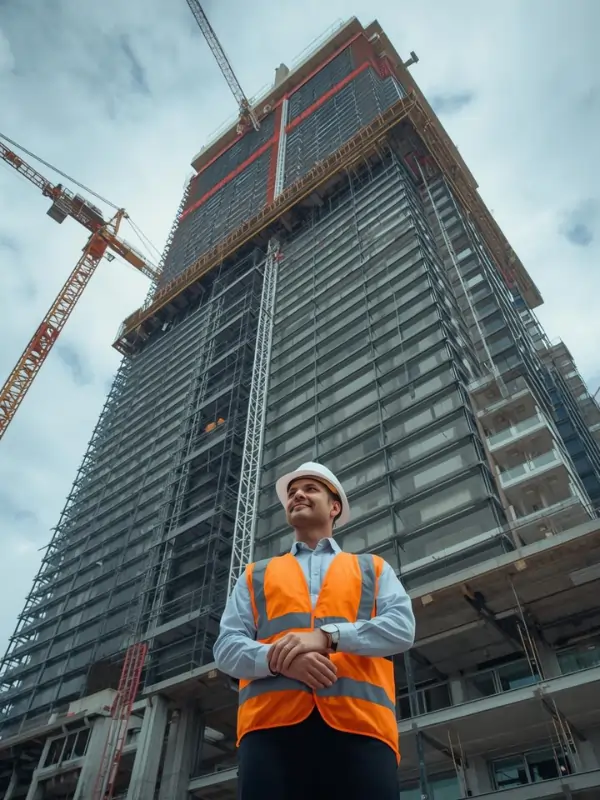
No matter how well a building is constructed, time and environment will eventually take their toll, which is where remedial work in construction comes in.
Phase 2 - When Things Go Wrong: What Is Remedial Work?
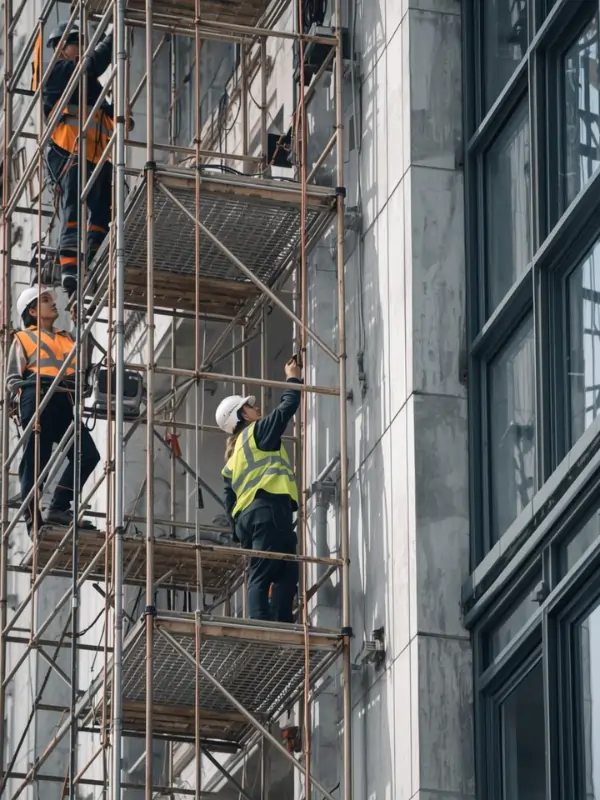
Remedial work refers to specialised repair processes required when defects or deterioration occur within the building life cycle. Early identification reduces long-term costs and risks.
Common Causes of Remedial Work
- Design deficiencies or incorrect load assumptions
- Substandard or unsuitable materials
- Poor workmanship or inadequate quality control
- Environmental exposure leading to deterioration
Common Types of Remedial Work
- Structural repairs (underpinning, beam/column strengthening)
- Waterproofing and drainage improvements
- Concrete cancer remediation
- Facade and cladding repairs
- Repointing brickwork
Key Challenges in Remedial Work
- Limited access, especially in high-rise buildings
- Hidden defects discovered during works
- Maintaining building operations during repairs
Effective remedial work is critical to extending the building life cycle and preventing further damage.
Once remedial work in construction is confirmed, engineers follow a structured process for repairing distressed structures, ensuring repairs are safe, durable, and cost-effective.
Phase 3 - Fixing the Problem: Steps for Repairing Distressed Structures
When repairing distressed structures, following a structured process is essential for long-term success.
- Investigate the cause – Identify root issues before starting
- Inspect and map damage – Document all defects accurately
- Assess severity – Determine urgency and repair scope
- Provide temporary support – Stabilise before repairs
- Remove damaged material – Ensure a sound substrate
- Reinforce where required – Address structural deficiencies
- Select materials carefully – Match repair method to defect
- Apply repair – Use appropriate techniques (e.g. shotcrete, grouting)
- Apply protective coatings – Prevent future deterioration
- Cure and monitor – Ensure long-term performance
Properly repairing distressed structures ensures safety, compliance, and longevity across the building life cycle.

Bigger Picture
Construction, deterioration, and repair are three inevitable stages in the life of every structure. From the challenges of constructing tall buildings, to understanding remedial work in construction, to systematically repairing distressed structures, the principles remain the same: diagnose accurately, plan thoroughly, and execute with precision.
Frequently Asked Questions
1. What are the stages of the building life cycle?
The building life cycle includes design, construction, operation, maintenance, deterioration, and eventual repair or replacement.
2. What is remedial work in construction?
Remedial work involves repairing defects, damage, or deterioration to restore a structure’s integrity and performance.
3. When is remedial work required?
It is needed when defects such as cracking, water ingress, or structural weakness appear during the building life cycle.
4. What causes structural deterioration?
Common causes include environmental exposure, poor workmanship, design flaws, and material degradation.
5. What are distressed structures?
Distressed structures show signs of damage such as cracking, corrosion, or movement requiring intervention.
6. Why is repairing distressed structures important?
Properly repairing distressed structures prevents further damage, improves safety, and extends the building’s lifespan.
7. What are common methods for repairing distressed structures?
Methods include concrete patching, reinforcement replacement, grouting, and protective coatings.
8. How long does remedial work take?
The timeframe depends on the extent of damage, accessibility, and complexity of the repair.
9. Can buildings remain occupied during remedial work?
Yes, but it requires careful planning to ensure safety and minimise disruption.
10. How can you extend the building life cycle?
Regular inspections, maintenance, and timely remedial work are key to extending the building life cycle.
Thank you for your visit and welcome to the construction home.