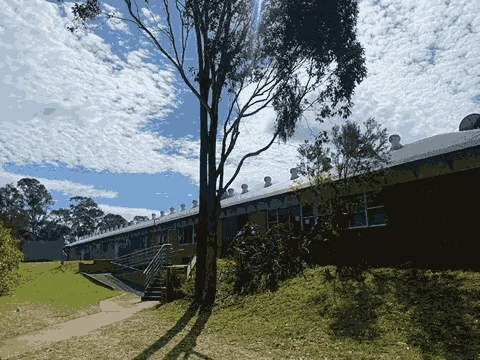
Over the past several months, our team has been tasked with conducting inspections and maintenance works across multiple schools in the Northern Sydney region. These schools include Ermington Public School, Ermington West Public School, Meadowbank, Melrose Park, West Ryde, Ryde, Rydalmere, Rydalmere East Public School, Marsden High School and Ryde Secondary College. This initiative has been coordinated under the direction of School Infrastructure NSW (SINSW) and the Department of Education.
During these inspections, we identified a variety of maintenance issues and equipment requiring urgent attention. In accordance with the work orders issued, we promptly addressed these concerns to ensure the safety, functionality and integrity of the affected facilities.
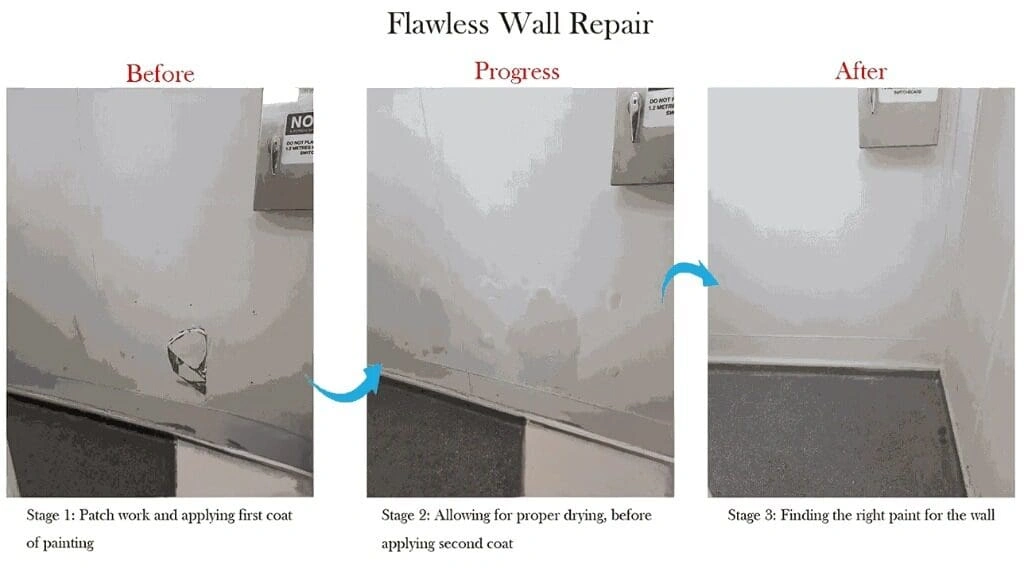
Of particular note were the repair works completed at Ryde Secondary College, West Ryde Public School and Ermington West Public School. At Ryde Secondary College, we responded to reports of a deteriorating ceiling, where paint was visibly peeling and structural concerns were beginning to emerge. We undertook necessary action to remediate the issue and restore the ceiling to a safe condition.
In addition, we repaired timber play equipment at both West Ryde and Ryde Secondary College, ensuring these outdoor facilities remain safe and accessible for students. These tasks reflect our ongoing commitment to upholding high standards in school environments and responding promptly to safety related concerns.
We remain dedicated to delivering efficient and high quality maintenance services across all allocated sites and we appreciate the continued collaboration with SINSW and the Department of Education in achieving this shared goal. School Repairs NSW projects by SCE address roofing, ceilings and play areas. Our Education Maintenance Sydney service prioritises safety and learning continuity. We conduct Building Upgrades DoE compliant with SINSW protocols and ISO QA.
Through structured scheduling and communication, our School Repairs NSW teams minimise disruption. Education Maintenance Sydney ensures long term asset performance. Building Upgrades DoE and Education Maintenance Sydney reflect our commitment to public infrastructure.
Scope
The scope of these works include:
- Removing of damaged paint and ceiling plaster
- Installation of new plasterboard ceilings
- Preparation of plasterboards for painting
- Removal and replacement of broken timber from playground equipment
- Reinforcement of cracked timber using bog, followed by sanding and painting
- Removal of tree stumps to eliminate tripping hazards
- Installation of artificial turf to restore aesthetics
- Repairing wooden play equipment and providing extra stability to their footing.
- Clean up and disposal
- Report writing
Challenges
As with any project, one of the primary challenges involved managing multiple stakeholders. Working in active school environments requires heightened attention to student safety. Our trades are especially mindful when performing tasks during school hours, taking extra care to minimize risks.
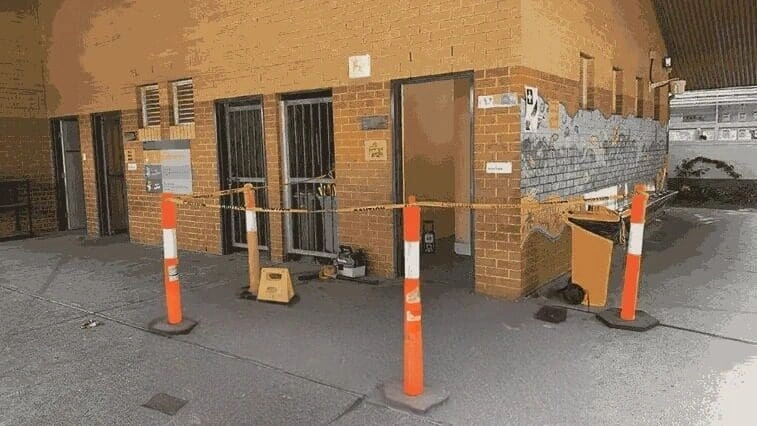
Schools place a strong emphasis on student safety and may request delays if they feel certain works pose a risk. As a result, most tasks are carried out only after securing and barricading the work area.
In accordance with SINSW guidelines, we must provide 48 hours’ notice prior to any site visit. This requirement can restrict our scheduling flexibility, especially when coordinating across several schools. Additionally, school events such as cross country carnivals, sports days and exams can further delay progress.
Safety and Environment
Students, naturally curious, are often nearby during works. It’s critical for us to manage dust and noise to avoid adversely affecting them. For instance, during the removal of tree stumps with a jackhammer, nearby students had to be evacuated due to the high noise levels and lack of appropriate ear protection. Similarly, during the sanding of timber equipment, students without protective masks had to be moved away from the area.
Timber repairs presented additional logistical challenges, as replacement parts came in various shapes and sizes. This required on site custom cutting to ensure proper fit, which was done during class hours to minimize student exposure to airborne particles.
Quality
SCE takes great pride in the quality and integrity of every project we undertake and these assignment was no exception. From initial site inspections to final remediation, we are actively involved in evaluating conditions, identifying root causes and ensuring the use of appropriate materials and repair techniques.
We worked closely with our trade’s team to ensure all works met safety regulations and Department of Education standards. Follow up inspections were conducted to confirm that repairs were not only completed but were durable and suited for long term use. Our focus remained on delivering reliable, high quality outcomes that reflect our professional standards and support a safe, functional school environment.
Community
We are committed to carrying out repairs with minimal disruption to occupants and surrounding communities. Our teams typically begin work as early as 7:00 AM, prioritizing quieter tasks at the start of the day. As students arrive and playground activity increases, more intensive works are carried out in a way that blends with the ambient noise.
By the time repairs near completion, the need for noisy tools decreases, further reducing disruption. This approach reflects our commitment to community cooperation and professionalism in sensitive environments
For further details see School Repairs NSW, Education Maintenance Sydney, Building Upgrades DoE.
Timeframe
Although these jobs were classified as non urgent (required within five days), we always strive to complete them within the designated timeframe. However, as is often the case, unexpected factors can arise. Wet weather, unseen variables and material specific delays occasionally extended our timelines by a few days.
For further details see School Repairs NSW, Education Maintenance Sydney, Building Upgrades DoE.
FAQ
1. What types of external modifications are commonly permitted in Cranebrook?
Common modifications in Cranebrook include fences, decks, pergolas, driveways and exterior repainting. Minor works may be exempt from council approval if they meet NSW planning regulations and do not alter the structure’s footprint.
For further details see School Repairs NSW, Education Maintenance Sydney, Building Upgrades DoE.
2. What is the process for obtaining approval for structural modifications to a property?
Residents must submit a Development Application (DA) or Complying Development Certificate (CDC) to Penrith City Council. This process ensures that all property modifications in Cranebrook comply with safety, zoning and environmental regulations.
For further details see School Repairs NSW, Education Maintenance Sydney, Building Upgrades DoE.
3. Are there specific building codes and regulations that must be followed for external modifications in Cranebrook?
Yes. All works must comply with the Building Code of Australia (BCA) and NSW Environmental Planning and Assessment Act. Local council guidelines specify height limits, materials and setback requirements for external changes.
For further details see School Repairs NSW, Education Maintenance Sydney, Building Upgrades DoE.
4. How can residents ensure that their modifications are compliant with local zoning laws?
Residents should review Penrith Council’s zoning maps and consult with a certified builder or town planner. Ensuring compliance early helps avoid penalties or the need to modify non compliant works later.
For further details see School Repairs NSW, Education Maintenance Sydney, Building Upgrades DoE.
5. What is the expected timeline for the approval process for external modifications?
Approval timelines vary by project type. A CDC can take 2–4 weeks, while a full Development Application may take 6–8 weeks depending on complexity and council workload.
For further details see School Repairs NSW, Education Maintenance Sydney, Building Upgrades DoE.
6. Are there any fees associated with applying for external modification permits?
Yes. Fees depend on the value and size of the project. Additional costs may include planning assessments, inspections and compliance certificates.
For further details see School Repairs NSW, Education Maintenance Sydney, Building Upgrades DoE.
7. What considerations should be made regarding the impact of modifications on neighbours and the surrounding environment?
Residents should ensure modifications respect neighbour privacy, sunlight and drainage. It’s also important to assess environmental impact—such as vegetation disturbance or stormwater flow changes.
For further details see School Repairs NSW, Education Maintenance Sydney, Building Upgrades DoE.
8. How do external modifications affect property value in Cranebrook?
Properly approved and high quality modifications can enhance property value and visual appeal. However, unapproved or poorly executed works may reduce market value and complicate future property sales.
For further details see School Repairs NSW, Education Maintenance Sydney, Building Upgrades DoE.
9. What happens if external modifications are completed without approval?
Unapproved works may result in fines or council issued rectification orders. Homeowners might be required to remove or alter the modification to restore compliance with local Cranebrook regulations.
For further details see School Repairs NSW, Education Maintenance Sydney, Building Upgrades DoE.
10. Can I hire private certifiers for external modification approvals in Cranebrook?
Yes. Private certifiers in NSW can often approve smaller projects faster than council if all zoning and safety requirements are met. They must be registered under the Building Professionals Board.
Thank you for your visit and welcome to the construction home