Observed defect
Record the visible symptom, affected elevation, location, recurrence and impact before assumptions are made about the cause.

Defect evidence, warranty records and practical rectification planning
SCE Corp investigates cladding defects and delivers façade rectification for strata, commercial and managed properties across Sydney and NSW. Our building and engineering capability addresses water ingress, failed sealants, corrosion, fixing movement and joint failures, supported by construction evidence, warranty records and a clear repair scope.
Managing Director Frank MANESH brings experience in building inspections, defect assessment, remedial reports and façade replacement. SCE uses that experience to connect reported cladding symptoms with the construction history, affected interfaces and information needed for a rectification scope.
Accounts and Design Manager Sahar MANESH supports controlled technical and commercial records, including drawings, submittals and variations. Clear records assist the owner and appointed parties in assessing the work; they do not predetermine a supplier’s warranty or an insurer’s decision.
A cladding defect or warranty matter can involve construction defects, maintenance, product performance, installation records, consultant advice, insurance questions or several overlapping causes. SCE inspects and documents the construction condition, organises the evidence and establishes the next steps for technical review, warranty communication and rectification.
Record the visible symptom, affected elevation, location, recurrence and impact before assumptions are made about the cause.
Review photographs, product information, installation documents, maintenance records, reports, drawings and previous correspondence.
Separate construction evidence from warranty, design, certification, insurance and legal decisions made by other appointed parties.
Identify scaffold, elevated-work-platform, roof, balcony or internal access needs together with occupant and public-protection controls.
Determine whether the likely pathway involves maintenance, targeted repair, staged rectification, broader façade work or further investigation.
Define the work, investigation needs, access, approvals and programme so the rectification proposal addresses the building’s condition and the client’s required outcome.
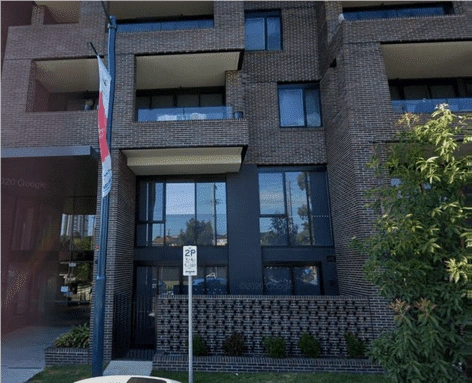
The first step is to document the affected façade area and the available evidence. Cladding-related defects can involve water entry, failed sealants, open joints, loose or displaced panels, corroded components, coating breakdown, movement, damaged flashings, penetrations, membranes or interfaces with windows, balconies, roofs and adjacent construction.
SCE compiles construction evidence for strata managers, owners corporations, asset managers and the project’s suppliers, installers, consultants and insurers. Match each reported defect to an elevation and location reference, with dated photographs and earlier repair records. Distinguish observed symptoms from suspected causes and identify areas that could not be inspected. This creates a traceable basis for comparing findings, proposed repairs and close-out records.
SCE does not determine warranty liability, insurance coverage or whether a claim must be accepted. Those decisions remain with the relevant responsible party, insurer, consultant, legal adviser or authority.
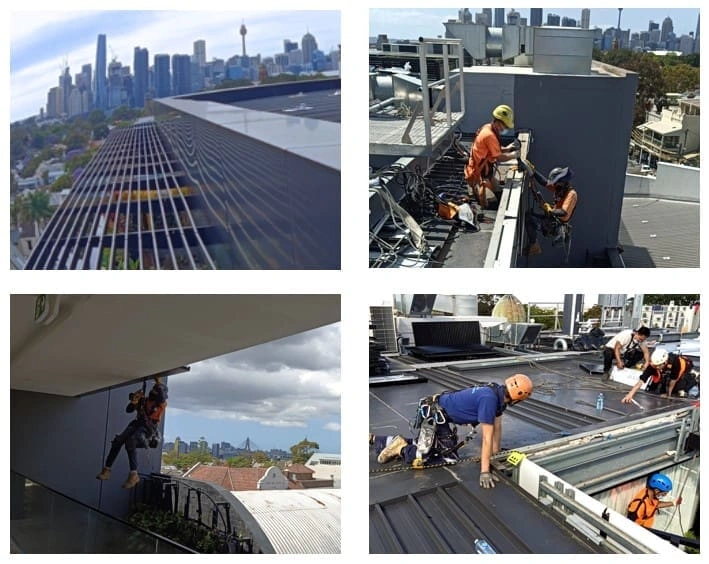
SCE plans and delivers targeted repairs and staged façade rectification. Investigation findings, technical requirements, access and occupancy determine the work sequence, materials and inspection points before construction proceeds against the approved project information.
Confirm the defect history, available reports, product information and stakeholder responsibilities.
Record visible conditions, affected interfaces, access requirements and information gaps.
Determine whether maintenance, consultant review, warranty communication or rectification is required.
Coordinate access, protection, staging, design inputs, materials, hold points and project records.
Complete the contracted work with agreed inspections, photographs, quality records and handover information.
Cladding-related leaks can originate from joints, sealants, flashings, membranes, penetrations, windows, balconies, parapets, roofs or concealed interfaces. The visible water entry point may not be the source.
For the broader leak-investigation and repair service, use Building Water Ingress Remediation. The supporting article on cladding defects and water-ingress warning signs explains common indicators for NSW building owners.
Combustible cladding, façade replacement, regulated-design interfaces and fire-safety matters may require appropriately appointed consultants, registered design practitioners, certifiers or authorities.
SCE Corp is NSW DBP registered. Where the framework applies, SCE ensures the construction work within its contracted control follows the approved designs, declarations, specifications, approvals and project requirements. Design, declaration, certification and statutory decisions remain with the appropriately appointed parties.
For these matters, use SCE’s Cladding Replacement and Fire Compliance pathway.
Use the pathway that matches the current issue rather than treating a warranty question as proof of liability or a complete repair scope.
These answers are general. Building-specific findings, responsibilities and rectification requirements depend on the available evidence, appointments, contracts, approvals and site conditions.
It involves reviewing visible cladding defects, available records and likely failure points so the client can determine whether the next step is maintenance, warranty communication, consultant review or rectification work. The review may include photographs, defect notes, water-ingress history, product information, installation records and previous reports.
No. Warranty acceptance and liability are determined by the relevant supplier, installer, consultant, insurer or other responsible party. SCE can inspect and document the construction condition, organise practical evidence and plan suitable rectification work, but it does not promise that a warranty claim will be accepted.
Useful evidence can include product and installation records, maintenance history, photographs, inspection notes, water-ingress records, previous reports, drawings, specifications and correspondence with suppliers, consultants, strata managers or owners corporations.
Yes, where the scope is suitable. SCE can review cladding-related water ingress, failed sealants, corrosion, fixing movement, joint failures and related façade-interface defects, then coordinate a practical remedial pathway against the approved project information.
Fire-compliance issues, combustible cladding, façade replacement and regulated-design interfaces may require appropriately appointed consultants, registered design practitioners, certifiers or authorities. SCE Corp is NSW DBP registered and can coordinate and deliver the construction scope within its contracted role where applicable.
Pricing depends on the building, access method, defect type, investigation requirements, consultant input, approved repair details, staging and the extent of the construction scope. SCE reviews the available records and site conditions before confirming whether the work is suitable for quoting.
This service is relevant to strata committees, owners corporations, asset and facility managers, commercial owners, insurers and property managers dealing with cladding defects, documentation gaps, water ingress or warranty-related rectification questions.
Send the property address, affected elevations, photographs, water-ingress history, product and installation records, maintenance records, reports, access constraints, occupancy requirements and the required outcome. SCE will identify the inspection, evidence and construction steps needed to progress the matter.