NSW civil project guide

Civil Works Meaning and Civil Contractor Roles in NSW

Civil works turn project information into physical infrastructure such as earthworks, drainage, pavements, crossings and site services. This guide explains the contractor's construction role, the interfaces project teams should define and the information that supports a clear enquiry.

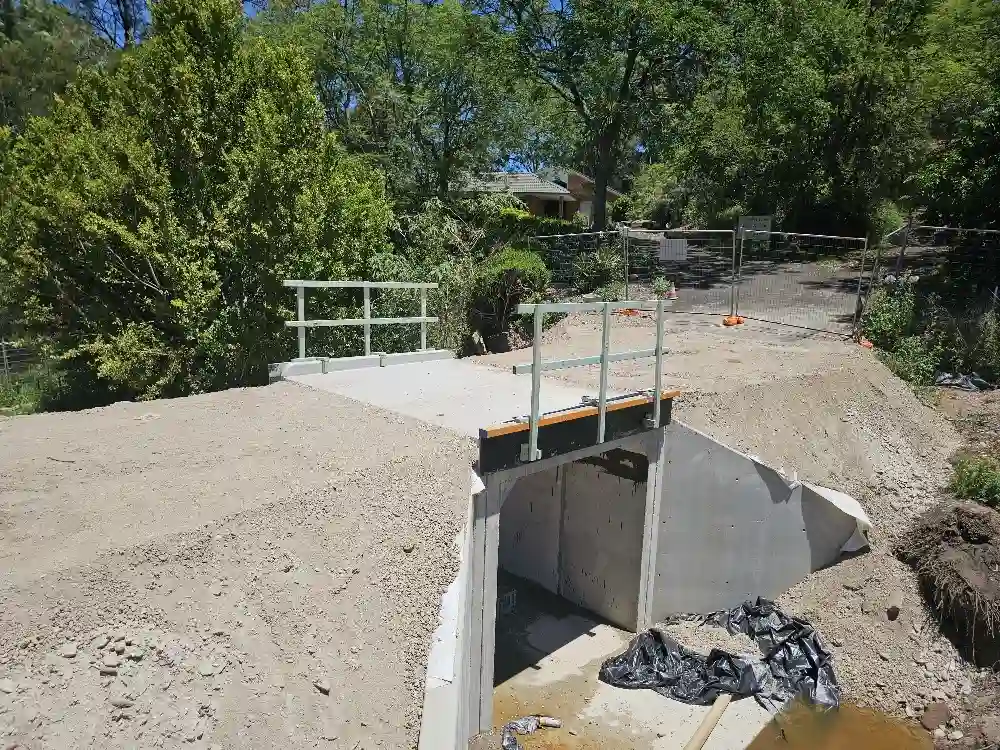
Completed reconstructed bridge and box-culvert crossing in Emu Heights
Genuine SCE project evidence: the completed flood-damaged bridge reconstruction at Emu Heights, NSW.

Start with the scope

What Civil Works Means in Construction

Civil works refers to the construction activities that prepare, connect or improve land and infrastructure. Depending on the project, this can include excavation, formation, retaining elements, concrete, stormwater drainage, underground services, roads, pavements, culverts and bridge-related works.

The term describes a broad field rather than a fixed package. The applicable drawings, specifications, approvals, site conditions, service information and contract define what is included on a particular project. SCE's Civil Services hub remains the main service pathway; this article supports project planning without replacing that transactional page.

Different responsibilities, one delivery interface

What a Civil Contractor Does

Plans the construction sequence

The contractor reviews the accepted scope against access, plant, staging, temporary conditions, live services and interfaces with adjacent work. Project-specific methodology and controls should reflect the current information.

Builds and coordinates the work

The construction team delivers the agreed civil package, coordinates work fronts and raises discrepancies through the project's documented process. Concrete repair or reinstatement needs can be reviewed through SCE's Concrete Remedial Services pathway.

Records inspections and completion

The contractor compiles the specified inspections, test records, survey information and completion evidence. Required declarations, approvals and certification remain with the appropriately appointed parties.

Construction coordination does not transfer professional responsibilities

Consultant, designer, certifier, utility-authority and registered-practitioner responsibilities remain with the appropriately competent and appointed parties unless a particular service is expressly included and permitted. Constructability input does not replace design approval, declarations or certification.

Confirm the interfaces before work starts

What Project Teams Should Check

1. Scope and current information

Confirm the physical work package, issued drawings, specifications, exclusions, approvals and responsibility boundaries. Record missing or conflicting information rather than building around assumptions.

2. Existing conditions and services

Review survey, geotechnical information, service investigations, site access and constraints relevant to the proposed work. Unexpected conditions require the project's agreed escalation process.

3. Staging and adjacent work

Align civil activities with traffic, temporary works, utilities, structures, buildings, environmental controls and operating-site requirements. Shared levels, tie-ins and access routes need clear coordination.

4. Inspection and handover

Identify witness points, testing, survey, material records and completion deliverables before the relevant work is covered or handed over. Keep acceptance responsibilities clear.

Genuine SCE project evidence

Representative Civil Works in NSW

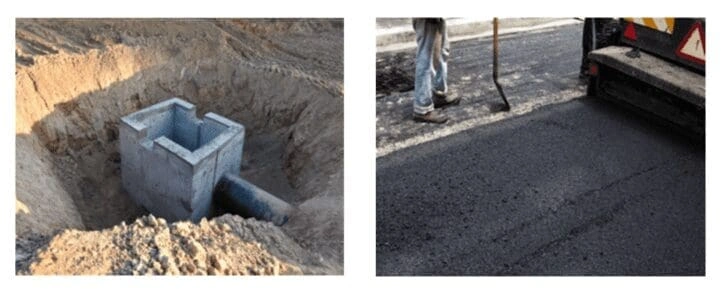
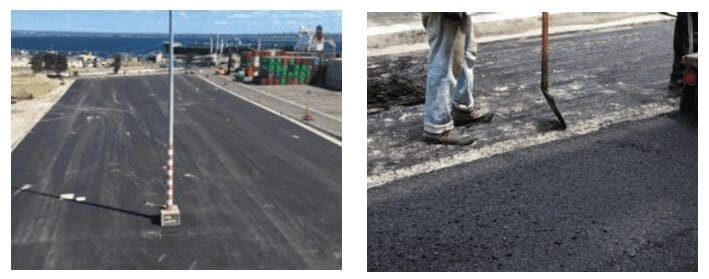
These genuine SCE images show relevant stormwater and pavement outcomes. They are representative completed-work evidence; a new project's scope, conditions, approvals and required controls must be assessed independently.

Regional pathway

For projects in western Sydney, review the Parramatta and Greater West service-location pathway. Location relevance does not replace a project-specific scope and site review.

Planning pathways

Tools and Supporting Guidance

Early subdivision planning

Use the Subdivision Cost Estimator for an early planning indication where the proposed project fits that tool's stated inputs and limitations.

More construction guidance

Browse the SCE Blog for further project-planning and construction articles. Each guide should be read within its stated scope and does not replace project-specific advice.

Frequently asked questions

Civil Works and Contractor Roles

What does civil works mean?

Civil works means construction activities that prepare, connect or improve land and infrastructure. Depending on the project, the scope can include excavation, drainage, underground services, concrete, pavements, culverts, crossings and related site works.

What is the role of a civil contractor?

A civil contractor plans and delivers the agreed construction package, coordinates access, plant, staging and work interfaces, and compiles the required construction records. The exact role depends on the contract and accepted project information.

How do civil contractors work with engineers and consultants?

Civil contractors build from accepted project information and raise constructability questions, discrepancies and site conditions through the agreed process. Designers, consultants, certifiers and registered practitioners retain their appointed professional responsibilities.

What should be confirmed before civil construction starts?

Project teams should confirm the scope, current drawings and specifications, approvals, existing services, site conditions, access, staging, responsibility boundaries, inspection points and handover requirements before affected work proceeds.

Does a civil contractor automatically provide design or certification?

No. Construction delivery does not automatically include consultant, designer, certifier or registered-practitioner services. Those functions remain with appropriately competent and appointed parties unless a specific service is expressly included and permitted.

What information helps SCE review a civil works enquiry?

Provide the project location, objectives, requested work package, current drawings or reports, known service and access constraints, anticipated staging and any required inspections or completion records. SCE can then review whether its services are relevant.

Where can I see examples of SCE civil projects?

SCE's Civil Infrastructure Projects collection contains project-specific examples, including the Emu Heights bridge reconstruction. Each example describes its own context and should not be treated as the scope or outcome of another project.

Define the work package

Discuss Your Civil Works Requirements

Share the project location, objectives, current information, known site and service constraints, anticipated staging and the construction package requiring review. SCE can assess whether its civil construction or coordination services are relevant.