
Road pavement maintenance
Self-Healing Asphalt and Better Pothole Repair
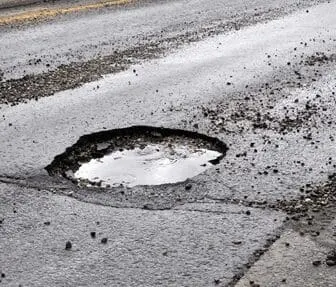
Potholes are usually the visible result of cracking, water entry, traffic loading and a pavement layer that can no longer support the surface. Durable repair starts by identifying that cause—not simply filling the depression.
For delivery capability, project controls and enquiries, visit SCE Corp’s road, highway, bridge and dam construction services.
Understand the failure
Why Potholes Form
Asphalt is flexible, but it still depends on sound layers beneath it. Small surface cracks let water enter the pavement. Repeated wheel loads then move weakened material, enlarge the crack network and break the surface into loose fragments. Poor drainage, failed trench reinstatement, unstable edges, ageing binders and overloaded local areas can accelerate the process.
A visible pothole may therefore be only one part of the defect. If the surrounding asphalt is cracked, the base is wet or the pavement edge is moving, a shallow surface patch may provide only temporary relief. The repair scope should respond to the actual failure mechanism and the asset’s required service life.
Inspect before treatment
What a Useful Site Assessment Covers
The right repair is based on condition, access and operational constraints—not on one standard patch detail.
Defect geometry
Confirm the area, depth, loose edges, cracking pattern and whether adjoining pavement remains sound.
Base condition
Look for pumping, deformation, saturation or loss of support beneath the asphalt surface.
Drainage
Check falls, inlets, shoulders and nearby water paths that may keep feeding the failure.
Traffic loading
Consider vehicle type, turning forces, braking zones, loading frequency and reopening requirements.
Site interfaces
Locate services, pits, kerbs, line marking, access routes and adjacent operating areas.
Repair objective
Separate urgent make-safe work from a planned durable repair or broader pavement renewal.
Match treatment to condition
Common Pothole and Pavement Repair Approaches
Material choice matters, but preparation and underlying support are equally important. A repair method should be selected for the defect, environment and required duration.
Temporary make-safe repair
A rapid treatment can reduce an immediate hazard until access, weather or a larger work package allows a permanent repair. It should be recorded and monitored rather than mistaken for renewal.
Cut-out and asphalt replacement
Unsound material is removed to firm edges, the repair area is cleaned and prepared, and compatible asphalt is placed and compacted. Joint quality and edge support affect durability.
Thermal or infrared-assisted repair
Controlled heating can soften existing asphalt and support blending around the repair interface in suitable conditions. The technique still depends on sound surrounding pavement and competent temperature control.
Full-depth pavement repair
Where failure extends below the wearing surface, the affected base or subgrade may need removal, drying, stabilisation or replacement before the asphalt layers are reinstated.
Crack sealing and preventive work
Early treatment of suitable cracks, joints and drainage defects can help slow water entry before isolated surface defects develop into larger failures.
Broader pavement reconstruction
Repeated patches, widespread deformation or systemic drainage failure may justify a planned pavement section rather than continuing isolated reactive repairs.
Emerging materials
What “Self-Healing Asphalt” Means
Bitumen can naturally flow into very small cracks, but the process is slow at ordinary pavement temperatures. Research into self-healing asphalt aims to accelerate or repeat that recovery before microcracks become larger defects.
Rejuvenating agents
Some concepts store agents within the asphalt so they can be released when cracking occurs and soften aged binder around the defect.
Induction or thermal activation
Other systems use conductive components and controlled heating to encourage binder movement and close fine cracks.
Asset-management role
The goal is to delay deterioration and reduce intervention frequency. It does not remove the need to address drainage, base failure, loading or construction quality.
Self-healing technology remains an evolving pavement tool rather than a universal pothole solution. Laboratory recovery of a small crack does not establish how a road will perform under repeated traffic, water, ageing and changing temperatures. Before specifying a system, check the trial conditions, field evidence, treatment limits and compatibility with the asset owner’s requirements. A failed base or recurring water entry still needs its own repair response.
Controlled civil delivery
A Practical Repair Delivery Sequence
SCE Corp delivers civil engineering, design, procurement and construction, including design-and-construct works. Pavement projects connect investigation and repair design with access, drainage, suitable materials and documented completion controls. Related capability is available through the Civil Services hub.
Confirm
Review the defect, operating environment, access, services, drainage and required outcome.
Plan
Set traffic and pedestrian controls, work boundaries, materials, plant, sequencing and reopening conditions.
Repair
Remove unsound material where required, prepare the interface, place the selected repair and compact each applicable layer.
Verify
Check levels, edges, joints, surface condition, housekeeping, reinstatement and closeout records.
Patch or reconstruct?
Choose the Smallest Repair That Solves the Proven Failure
An isolated pothole with sound surrounding pavement may suit a defined local repair. A recurring defect at the same location should trigger a closer look at water, base support, joints and loading. Widespread cracking, rutting, settlement or multiple failed patches may indicate that renewal of a larger pavement area will provide better value.
- Use temporary work to make an immediate risk manageable—not to avoid a required permanent repair.
- Extend the repair boundary to sound material where the edges are broken or debonded.
- Correct contributing drainage or support defects where they are part of the confirmed failure.
- Coordinate pavement work with kerbs, pits, services, access and line marking so interfaces are not left incomplete.
Relevant project evidence
Pavement Work in Broader Civil Projects
Project examples show how pavement work is coordinated with site constraints, access and civil interfaces. Browse the wider civil infrastructure project portfolio.
Pavement Construction — Port Botany
Review pavement construction in an operating port, documented as part of Farshid MANESH’s wider career experience. Staged work fronts maintained access while pavement layers, kerbs and line marking were delivered.
View the Port Botany pavement projectPavement Reconstruction — Blackbutt
The Blackbutt work combined pavement reconstruction with stormwater adjustments, kerbs and line marking. Its initial five-stage plan was reorganised into two stages, with compaction tests, survey checks and quality records supporting the works.
View the Blackbutt pavement projectFrequently asked questions
Pothole Repair Questions
What causes a pothole?
Potholes commonly develop when cracks allow water into pavement layers and traffic loads break up the weakened surface. Drainage, base support, ageing, reinstatement quality and concentrated vehicle movements can all contribute.
Is filling a pothole always a permanent repair?
No. A quick fill can be appropriate as a temporary make-safe measure, but a durable repair may require removal to sound edges, preparation, compaction and treatment of an underlying base or drainage problem.
When is full-depth pavement repair needed?
It may be needed when the failure extends below the asphalt surface, the base is wet or unstable, the area is deformed, or previous shallow patches repeatedly fail. The decision should follow a site-specific condition assessment.
What is infrared pothole repair?
Infrared-assisted repair uses controlled heat to soften suitable existing asphalt around a defect. This can help integrate repair material at the interface, but it does not correct a failed base, severe contamination or a continuing drainage problem.
How does self-healing asphalt work?
Self-healing concepts aim to help bitumen close very small cracks using rejuvenating agents, conductive materials or controlled heating. The technology is intended to slow deterioration; it is not a substitute for sound pavement design, drainage or workmanship.
What should be checked before a pavement repair?
Useful checks include defect depth and extent, edge stability, base condition, moisture and drainage, traffic loading, services, access, interfaces and the required reopening time and service life.
Can SCE Corp assess and coordinate pavement repair work?
SCE Corp provides investigation, civil engineering, design, procurement and construction for pavement repair and renewal, including design-and-construct delivery. The project scope connects pavement condition, drainage, traffic, access and reopening requirements. Appropriately appointed specialists undertake regulated work, and independent certification remains with the responsible certifier.
Plan the right pavement response
Discuss a Road or Pavement Work Package
Provide the location, access conditions, defect extent, operational constraints and available drawings or photos. SCE Corp can assess whether investigation, a defined repair or broader pavement reconstruction is the appropriate next step.