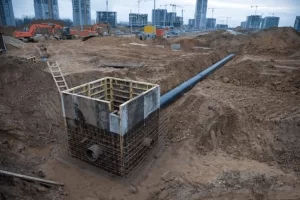
What Are Civil Works? Meaning, Scope and Examples

Civil works are construction activities that prepare, service, connect, repair or upgrade land and infrastructure. Common examples include earthworks, excavation, drainage, utility infrastructure, concrete, pavements, roads, culverts, bridges, rail environments and subdivision works.

Civil works generally focus on the ground, external infrastructure and essential systems supporting a building, development, transport asset or public facility. They may be completed before building construction, alongside other trades or as a stand-alone infrastructure package.

SCE Corp supports suitable building and civil projects across Sydney and selected regional NSW locations. Each enquiry is assessed against the proposed scope, access, approvals, safety requirements, programme and commercial fit.

Clients seeking contractor delivery can review SCE’s Civil Construction Services for its broader civil capability structure. This article remains an informational guide explaining civil works rather than replacing the commercial service page.

Practical definition: Civil works create, connect or maintain the physical infrastructure that allows land, buildings, transport assets and essential services to operate safely and effectively.
Have drawings, reports or a proposed civil scope?

Send the project address, available documentation, required work, access constraints and timing so SCE can assess project-specific suitability.

What Does Civil Works Mean in Construction?

The term civil works covers more than major highways, tunnels and government infrastructure. It can also describe clearly defined packages within commercial developments, subdivisions, existing facilities, transport environments, industrial sites and asset-upgrade projects.

Depending on the project, civil works may:

  • Prepare and stabilise land before construction begins
  • Establish excavation depths and finished ground levels
  • Manage stormwater, surface water and site drainage
  • Install, relocate, protect or connect utilities
  • Construct pavements, slabs, accessways and external structures
  • Connect a development to surrounding infrastructure
  • Repair, strengthen or upgrade ageing civil assets
  • Reinstate areas affected by service or construction work

The exact scope depends on the approved design, existing conditions, available access, surrounding assets, authority requirements and intended use of the completed infrastructure.

Common Examples of Civil Works

Bridge and civil infrastructure construction works
Civil works can range from defined site packages to roads, bridges and broader infrastructure construction.

Earthworks and Site Preparation

Earthworks can include excavation, cut-and-fill operations, trimming, compaction, spoil management and preparation for roads, slabs, drainage, utilities or other infrastructure.

Survey levels, geotechnical conditions, contamination, groundwater, disposal requirements and plant access can materially affect the methodology, programme and price.

A suitable earthworks package should identify excavation limits, material classifications, imported-fill requirements, testing obligations, temporary support, environmental controls and reinstatement responsibilities.

Drainage and Stormwater Infrastructure

Civil drainage works may include pits, pipes, channels, culverts, trenching, detention systems, connections and associated excavation and reinstatement.

Drainage needs to be coordinated with site levels, approved designs, existing assets, authority conditions and downstream infrastructure. Poor coordination may affect pavements, access, neighbouring properties and surrounding structures.

Project documentation should also identify inspection points, testing requirements, erosion and sediment controls, discharge arrangements and authority hold points.

Utilities and Below-Ground Infrastructure

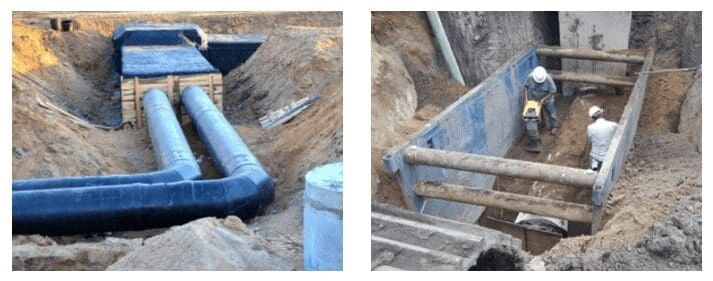
Underground services can include trenching, conduits, pits, service installation, utility coordination, protection works, backfilling and surface reinstatement.

Before excavation begins, available plans, searches, site information and appropriate locating or verification processes should be reviewed. The required controls depend on the site, utility type, excavation method and consequences of damage.

Utility interfaces should be coordinated with consultants, authorities, asset owners and other contractors before an affected area is permanently closed or reinstated.

Concrete, Pavements and External Structures

Civil concrete works can include slabs, pavements, footings, pits, kerbs, channels, equipment bases, access areas and other project-specific elements.

The applicable design, reinforcement, concrete specification, testing, curing, access and interface with surrounding works must be confirmed for the particular project.

Larger or more complex concrete packages may also require temporary works, staged pours, survey control, specialist testing and detailed quality records.

Existing assets affected by spalling, cracking, deterioration or structural defects may require a separate remedial investigation and repair pathway rather than a conventional new-construction concrete scope.

Roads, Accessways, Culverts, Bridges and Dams

Road-related civil packages may include pavement preparation, new roads, widening, access routes, culverts, footbridges and suitable small bridge scopes.

Traffic management, drainage, pavement design, environmental controls, public access and asset-owner requirements can affect how the work is staged and delivered.

Water-retaining infrastructure and dam-related packages may involve additional geotechnical, hydraulic, environmental, access and engineering requirements. These projects must be assessed against the specific design and approval pathway.

Subdivision Infrastructure

Subdivision projects may require earthworks, roads, drainage, utilities, service connections, accessways and supporting civil infrastructure.

The construction programme should reflect the status of approvals, detailed civil design, utility requirements, authority conditions, staging and site access.

Early feasibility estimates can assist with preliminary decision-making, but they do not replace project-specific design, quantities, investigation, authority advice or formal contractor pricing.

Rail, Station and Substation Environments

Civil packages may support rail corridors, stations, platforms, substations and associated transport infrastructure.

These projects can involve specialised access, possession arrangements, safety systems, environmental controls, stakeholder interfaces and asset-owner requirements.

The proposed scope must therefore be assessed against the specific operating environment, programme constraints and applicable safety or access systems.

Where Civil Works Fit Within a Construction Project

Civil works may occur at several stages of a construction, infrastructure or development project.

Site and Information Review

The project team reviews available drawings, survey information, utility plans, geotechnical reports, authority conditions, access constraints and existing site conditions.

This information helps identify constructability issues, incomplete documentation, interfaces, risks and evidence required before work begins.

Design and Approval Coordination

Consultants and relevant practitioners prepare or verify the required designs, specifications and technical documentation. Approvals and authority interfaces are addressed according to the project.

SCE Corp may coordinate consultants, design inputs, approvals and specialist interfaces where these services form part of its engagement. The legal and professional responsibilities of engineers, designers, authorities, certifiers and registered practitioners remain project-specific.

Enabling and Preparation Works

The site may require clearing, excavation, demolition, temporary access, erosion controls, utility locating or other enabling activities before the principal civil scope can proceed.

The preparation stage should also address temporary drainage, public protection, plant movements, delivery routes and interfaces with existing operations.

Construction and Coordination

The approved civil scope is delivered in the required sequence and coordinated with buildings, utilities, traffic, neighbouring assets, consultants and other contractors.

Construction controls may include inspections, hold points, testing, environmental measures, traffic arrangements, access controls and quality records.

Inspection, Testing and Handover

Depending on the scope, completion evidence may include photographs, inspection records, test results, concrete records, compaction results, utility information, as-built details and handover documents.

The required records should be identified before construction so inspections and evidence are completed at the appropriate stage rather than reconstructed after the work is covered.

Civil Works Compared With Building Works

Civil works and building works often form part of the same project, but they generally serve different functions.

Civil works commonly deal with:

  • Land and ground conditions
  • Roads and external access
  • Drainage and stormwater
  • Utilities and external infrastructure
  • Pavements and external concrete
  • Subdivision and transport infrastructure

Building works commonly deal with:

The boundary is not always absolute. A project may contain both civil and building components, and responsibility should be allocated clearly through the contract, design and scope documents.

SCE Corp can coordinate building and civil works as a one-stop shop where this suits the project. Construction delivery remains the principal commercial focus, supported by coordination of consultants, approvals and specialist inputs where included in the engagement.

SCE is NSW DBP registered. Where regulated building work forms part of a broader project, the applicable design, declaration and practitioner responsibilities must still be identified accurately.

Who Is Responsible for Design, Approvals and Construction?

Responsibility depends on the contract, project structure and applicable regulatory or authority requirements.

The client or principal generally establishes the project requirements and appoints the necessary parties. Engineers, designers and other relevant practitioners prepare or verify technical documentation within their areas of responsibility.

Authorities, certifiers and asset owners may review or approve particular aspects. The contractor delivers the agreed construction scope, coordinates site activities and provides the required construction and quality records.

Coordination by a contractor does not automatically transfer a consultant’s, designer’s or registered practitioner’s statutory or professional responsibility.

Information Needed to Review a Civil Works Package

Useful information may include:

  • Project address and proposed use
  • Current drawings and specifications
  • Survey information and existing levels
  • Geotechnical and contamination information
  • Available utility and service information
  • Approval and authority status
  • Required earthworks, drainage, concrete or utility scope
  • Plant, delivery and site-access constraints
  • Traffic and pedestrian interfaces
  • Environmental controls
  • Staging and programme requirements
  • Inspection, testing and handover requirements
Improve the quality of the initial project review

Attach available drawings, photographs, reports, scope notes and timing requirements when submitting an enquiry through Contact SCE.

Project Suitability and Service Locations

SCE focuses on suitable small-to-medium civil works across Sydney and selected regional NSW locations. Geographic coverage alone does not confirm that a project is suitable.

Each enquiry is assessed against the scope, location, access, existing site conditions, design status, required approvals, safety obligations, programme, procurement method and commercial fit.

Projects requiring very large-scale national infrastructure capacity, unsupported risk allocation or services outside SCE’s delivery model may not be suitable.

Quality, Environmental and Safety Controls

SCE Corp holds certified management systems covering ISO 9001 quality management, ISO 14001 environmental management and ISO 45001 occupational health and safety.

These systems support documented planning, inspection, issue management, environmental controls, safety processes and project records. The exact controls and deliverables still depend on the contract, risk profile and project requirements.

Clients and procurement teams should verify current certificates, registrations, insurances and project-specific capability as part of prequalification.

Related SCE Services, Projects and Resources

The following pages provide relevant service, project, feasibility and company information. They also provide clear pathways for visitors who need more detail or wish to discuss a project.

SCE Corp Home

Return to the SCE Corp homepage for an overview of the company’s building, civil, remedial and property capabilities.

Visit SCE Corp
Dam and Water Infrastructure

Review dam-related civil capability and the project-specific engineering, environmental and access considerations involved.

View Dam Construction Services
Concrete Repair and Asset Recovery

Review the remedial pathway for deteriorated, spalled, cracked or defective concrete assets.

View Concrete Remedial Services
Civil Project Evidence

Review a civil development and stormwater project undertaken in the Epping and Thornleigh area.

View the Civil and Stormwater Project
Subdivision Feasibility Tool

Use the estimator for an early indicative subdivision cost range before obtaining design quantities and formal pricing.

Open the Subdivision Cost Estimator
Land Subdivision Guidance

Review typical subdivision processes, approvals, infrastructure interfaces and early planning considerations.

Read the Land Subdivision Guide
Service Locations

Review SCE’s service regions across Sydney and selected regional NSW areas.

View SCE Service Locations
Certifications and Credentials

Review SCE’s management-system certifications, registrations and other available credentials.

View Certifications and Credentials
More Building and Civil Guidance

Browse SCE articles covering construction, remedial work, civil infrastructure, feasibility and project planning.

Visit the SCE Blog
Discuss a Project

Provide your scope, location, documentation, access constraints and timing for an initial suitability review.

Contact SCE

Frequently Asked Questions

What are civil works?

Civil works are construction activities associated with land, drainage, utilities, roads, concrete, accessways and other infrastructure supporting buildings, developments, transport systems and public facilities.

What are common examples of civil works?

Common examples include excavation, earthworks, drainage, utility installation, concrete, pavements, roads, culverts, accessways, subdivision infrastructure and repairs to existing civil assets.

What is included in a civil works package?

A package may include one or several civil activities together with testing, environmental controls, traffic management, temporary works, reinstatement and handover records. The inclusions must be defined by the project documents.

Are civil works different from building works?

Yes. Civil works generally relate to land, infrastructure and external systems, while building works generally relate to the structure, envelope and internal areas of a building. Many projects contain both.

Who designs civil works?

Civil designs are prepared or verified by suitably qualified consultants and relevant practitioners according to the project. The contractor delivers the approved construction scope and coordinates its site activities.

What information is needed before civil works can be priced?

Pricing normally requires available drawings, survey information, utility plans, geotechnical information, access details, approval conditions, staging requirements and a clearly defined scope.

How do civil works affect project cost?

Cost can be affected by quantities, excavation conditions, disposal requirements, existing utilities, groundwater, access, traffic management, materials, design completeness, authority requirements and testing obligations.

Can civil and building works be coordinated under one contractor?

They can be coordinated under one delivery structure where the scope, contract and project conditions support that approach. The responsibilities of designers, consultants, authorities and registered practitioners must still remain clear.

Does SCE undertake every type of civil project?

No. SCE assesses each enquiry for project-specific suitability. Its focus is suitable small-to-medium civil works, subject to scope, access, approvals, safety requirements, programme and commercial fit.

How can I ask SCE to review a civil project?

Provide the project address, proposed scope, available drawings, reports, photographs, approval status, access constraints and preferred timing through the Contact SCE page or call (02) 9051 9590.

Ready to discuss a suitable civil works package?

Provide the available project information so SCE can confirm the next practical step, which may include a documentation review, further information request, site inspection or quotation pathway.