Earthworks and site preparation
- excavation, grading and controlled fill;
- foundation preparation to issued design information;
- temporary access, working platforms and staging;
- erosion and sediment controls required for the works.

Civil Services · Dam and water infrastructure
SCE Corp delivers dam-related civil works across NSW, including earthworks, water-control structures, culverts, basins, drainage, retaining structures and access works. We connect engineering inputs, procurement and construction planning with practical delivery on site.
Delivery approach: SCE can lead a defined construction package or coordinate design-and-construct/EPC delivery with appropriately qualified specialists. The agreed appointments identify design, hydrology, geotechnical and construction responsibilities; independent certification and authority approvals remain with the responsible parties.
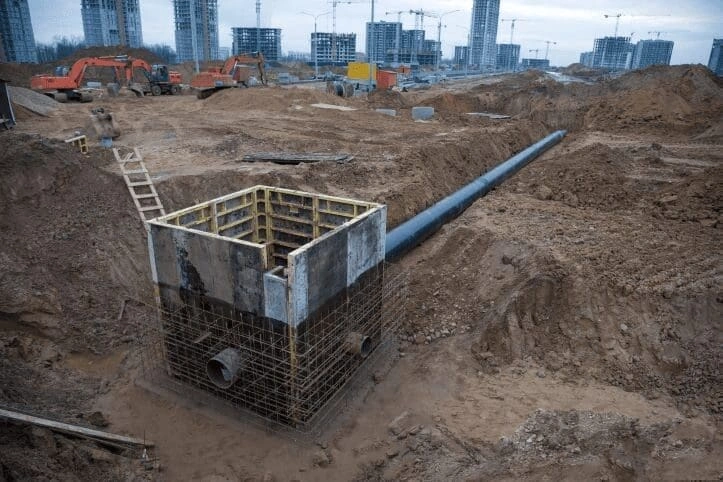
Suitable construction packages
SCE integrates earthworks, structures, drainage and access to deliver the agreed dam or water-infrastructure package. We establish the technical inputs and construction sequence around the site, existing operations and required approvals.
Direct service pathways
Explore the construction considerations for clay and earth-fill dams or concrete water-control structures, then discuss the requirements of your site and proposed works.
Review construction considerations for suitable clay and earth-fill dam packages, including site preparation, material placement and associated water-control works to project documentation.
Explore Clay Dam ConstructionReview construction pathways for suitable concrete dam and water-control structures, including foundations, formed concrete elements and documented inspection requirements.
Explore Concrete Dam ConstructionProject qualification
Early review is more useful when the package clearly separates issued design requirements, authority conditions, construction scope and responsibilities.
For an existing dam upgrade, the work sequence needs to account for stored water, incoming flows and the continuing purpose of the asset. Establish how the affected work area will be accessed and protected, which temporary water-management measures require design, and who authorises each stage. A spillway, outlet and access track cannot be considered in isolation from the works around them.
Agree the response to forecast rain, unexpected ground conditions or a delayed construction stage before mobilisation. The programme should identify inspection releases, temporary-work removal, reinstatement and the information the owner needs before returning the completed works to service.
The right to carry out earthworks and the requirements for storing, taking or using water are separate matters to resolve for the site. Check the proposed purpose, catchment, existing approvals and any dam-safety obligations with the responsible advisers and authorities before committing to a construction scope. WaterNSW explains water supply work and water use approvals.
This early coordination supports meaningful pricing: excavation conditions, temporary access, water controls, material supply, specialist inspections and staged completion can affect both the construction method and programme.
Relevant experience behind SCE
Frank MANESH’s career experience includes the Jindabyne Dam Upgrade: rock excavation and upgrades to the spillway and existing fire trail. His Main Lake flood-control pipeline work also involved bulk earthworks, reinforced-concrete stormwater pipelines, a weir and inlet and outlet structures.
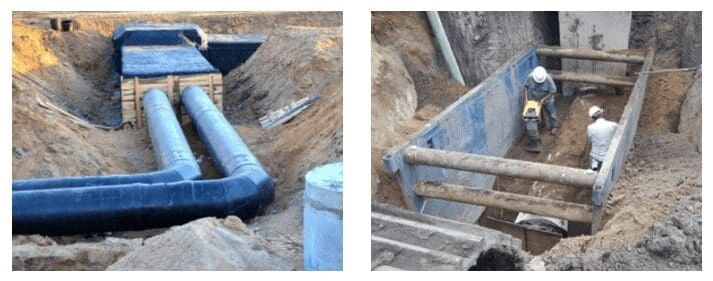
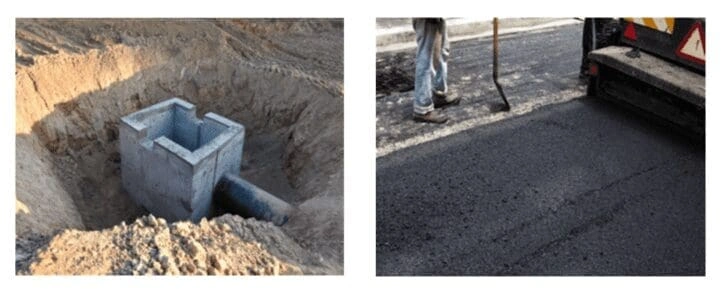
He applies that experience to access, earthworks, water-management interfaces and construction sequencing at SCE. The photographs below show related civil works at Epping–Thornleigh and West Ryde from the team’s wider career portfolios.
Plan the next step
Frequently asked questions
Common dam types include earthfill, rockfill, concrete gravity, arch, and buttress dams. The most suitable type depends on site geology, hydrology, and the purpose of the dam.
Dams commonly use compacted earth, rockfill, concrete, and engineered filters and drainage materials. Material selection depends on available sources, design requirements, and durability needs.
Dam safety during construction is managed through competent design, risk assessment, construction controls, inspections and verification records. For declared dams in NSW, the owner’s dam safety management system must address construction as part of the dam’s lifecycle. Controls need to match the particular dam and its risks.
Environmental impacts can include changes to water flow, sediment movement, vegetation disturbance, and construction noise and dust. Site-specific controls form part of the project’s environmental management and applicable approval requirements.
Engineers assess a dam site through surveys, geotechnical investigations, hydrology review, and constructability planning. The aim is to confirm foundation conditions, water behaviour, and risks that affect design and staging.
Dam construction typically includes investigations and design, site preparation, foundations, embankment or concrete works, spillway and outlet construction, then commissioning and monitoring setup. The sequence varies by dam type and site constraints.
Geological surveys identify ground conditions that affect foundation design, seepage controls, excavation methods, and slope stability. They also inform staging and material suitability for embankment works.
Sedimentation affects long term storage capacity and outlet performance. Design planning considers sediment inflow, catchment behaviour, and maintenance access for management over time.
Hydroelectric dams generate electricity by releasing water through turbines connected to generators. The water flow and head pressure drive the turbine rotation.
Hydroelectric power can provide reliable energy with low direct emissions during operation and can support grid stability. Benefits depend on site conditions and project design.
Yes, Dam Construction NSW services are provided, with scope confirmed through documentation review, site constraints, and staging requirements. Share drawings and access details so the next steps can be confirmed early.
Civil water projects typically involve drainage networks, culverts, basins, and water infrastructure works planned around hydrology and site constraints. Delivery usually includes staging, access planning, and coordination with relevant stakeholders.
Dam engineering typically involves stability and hydrology planning, design coordination, and verification considerations that guide construction sequencing. Outputs help confirm performance requirements and practical delivery constraints.
Secure project enquiry
Share the location, available drawings, technical reports, access constraints and required programme. SCE will assess the works and outline a suitable route from engineering inputs and procurement to construction and handover.