Issued Technical Basis
The relevant design, geotechnical information, specifications, set-out, material requirements and construction tolerances are issued by the responsible parties.

Defined earth-dam civil construction and coordination packages
SCE Corp delivers defined clay and earth-dam civil works across Sydney and NSW. Our construction scope can include site establishment, earthworks, specified clay-core or liner placement, drainage and outlet interfaces, erosion controls and reinstatement, with engineering inputs and procurement coordinated through the agreed delivery team.
Engineering and construction delivery
SCE can lead the agreed package from buildability planning and procurement through earthworks, construction records and handover. Where design-and-construct or EPC delivery is appropriate, SCE can engage qualified specialists for the required design, geotechnical and water-engineering inputs.
Dam geometry, materials, seepage controls, spillways and outlets require a coordinated technical design. The appointed specialists remain responsible for their design and advice, while SCE integrates the issued requirements with construction sequencing, testing and inspections. Authority approvals and independent certification retain their separate roles.
The delivery scope identifies the work, appointments, access, ground conditions, environmental controls and programme. Material sources, placement requirements and acceptance hold points are resolved before the relevant construction stage.
Package readiness
A construction package should be sufficiently defined before works are assessed. The following conditions help establish a clear and responsible delivery boundary:
The relevant design, geotechnical information, specifications, set-out, material requirements and construction tolerances are issued by the responsible parties.
Planning, water, environmental, land, safety and asset-owner requirements are identified, with responsibility for obtaining and maintaining them allocated.
Earthworks, clay placement, drainage, outlets, erosion protection, testing inputs, inspections and handover records have clear boundaries and hold points.
Civil construction scope
The final scope must follow the issued design, geotechnical and environmental requirements, site controls, nominated materials, inspection and testing plan, hold points and specialist interfaces. A suitable package may include:
This list is indicative only. It does not transfer design, geotechnical, hydrology, approval, laboratory, certification or asset-acceptance responsibilities to SCE.
Soil excavated on site is not automatically suitable for a specified clay core or liner. Confirm the proposed source through the project's geotechnical assessment and testing, together with the available quantity and the route for extraction, stockpiling and placement. A shortage or rejected material can change haulage, disposal, cost and the construction sequence.
Material can vary within a source area. Define the checks for changes in soil condition and the acceptance process before using additional material. Moisture conditioning, layer thickness and compaction should follow the project specification, with the required inspection and test records retained as construction proceeds.
Plan the connection of the core or liner to the prepared foundation and outlet details as part of the issued design. Protect unfinished work during wet-weather interruptions, then confirm its condition before continuing. SCE coordinates these material, water and access interfaces through the agreed construction and inspection plan.
Representative SCE project evidence
Frank MANESH’s dam-upgrade experience includes rock excavation, spillway upgrades and fire-trail works at Jindabyne. His broader water-infrastructure experience informs how SCE plans excavation, access and drainage interfaces for a defined earth-dam package.
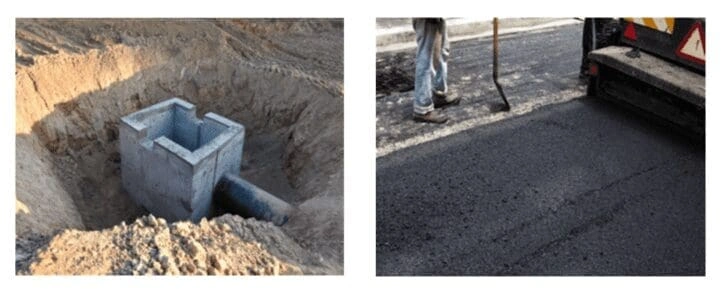
The linked West Ryde project shows drainage and civil works from Farshid MANESH’s wider career portfolio. It provides a specific example of service and reinstatement interfaces alongside the dam-related experience Frank brings to the team.
Controlled review pathway
Identify the dam purpose, project stage, land and asset context, intended work boundary and responsible technical parties.
Review the issued drawings, specifications, geotechnical inputs, material requirements, approvals, access and environmental controls supplied.
Coordinate construction with design releases, geotechnical requirements, temporary works, approvals, testing and inspections.
Deliver the agreed civil works, coordinate the specified tests and inspections, and compile construction records for the asset owner.
Responsible interfaces
The client, landowner, approval authorities, asset owner, appointed designers, registered practitioners, geotechnical advisers, hydrologists, environmental consultants, surveyors, laboratories, certifiers and other responsible parties retain their allocated duties.
SCE manages the agreed construction scope, nominated materials, inspections, testing interfaces and handover records. The project team resolves technical queries and confirms hold points before the affected work proceeds.
Useful review inputs
Related pathways
Frequently asked questions
SCE delivers agreed clay and earth-dam civil works, including site establishment, foundation preparation, earthworks, specified clay-core or liner placement, drainage, outlet interfaces, erosion protection and reinstatement. Scope and sequencing follow the site-specific design, approvals and inspection requirements.
SCE can coordinate qualified dam designers and geotechnical advisers where those appointments form part of the agreed design-and-construct or EPC scope. Those specialists remain responsible for dam design and technical advice; SCE connects their requirements with procurement and construction.
Useful information includes the project location and purpose, issued drawings and specifications, geotechnical and hydrology inputs, survey information, approvals, environmental controls, earthworks quantities, nominated materials, access and staging constraints, hold points, testing requirements and procurement status.
Yes. SCE can construct specified clay cores or liners to the project design and geotechnical requirements. The agreed scope identifies the material source, preparation, moisture, placement, compaction, geometry, tolerances, tests and acceptance hold points.
The client, landowner, approval authorities, asset owner, appointed consultants and other responsible parties retain their allocated planning, water, environmental, land and technical duties. SCE can coordinate construction obligations expressly included in an accepted package but does not assume approval-authority or consultant responsibilities.
Yes. SCE can deliver and coordinate the agreed outlet, drainage and erosion-control works, integrating dimensions, materials, service interfaces, inspections and testing with the construction sequence. Specialist design and approval responsibilities are set out in the project appointments.
No. SCE is NSW DBP registered, not "DBP certified". The project documents and responsible practitioners determine which DBP obligations apply to a particular scope.
No. Water retention, suitability, programme, cost, safety controls and performance depend on the issued design, geotechnical and hydrology inputs, materials, site conditions, approvals, weather, access, testing, specialist interfaces and allocated responsibilities. No outcome is assumed or guaranteed.
Share the available drawings, site and ground information, quantities and programme. SCE will outline the investigations, specialist inputs and construction package needed to move your clay-dam works forward.