Epping–Thornleigh, NSW
A multi-interface civil works location involving access, existing services and rail-corridor considerations.

Civil construction project · Epping–Thornleigh, NSW
Frank Manesh’s Epping–Thornleigh civil project experience spans large-diameter stormwater pipelines, drainage pits, a HumeCeptor unit, electrical conduits, utility relocation and under-line crossings along the rail corridor. This construction experience informs the civil projects and client work he leads through SCE Corp.
Project overview
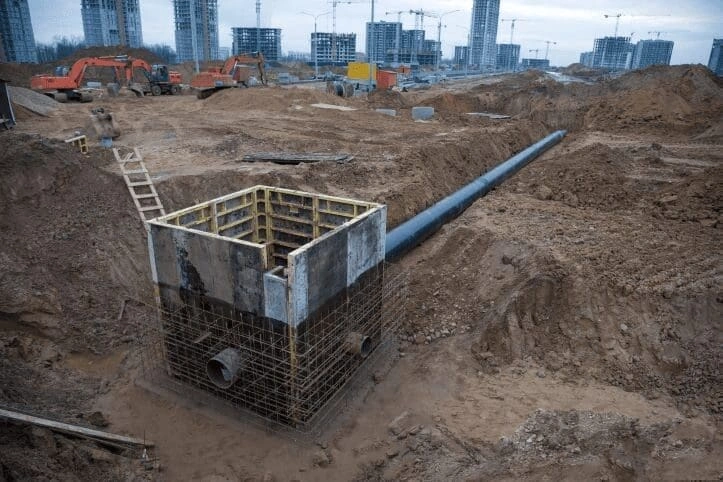
The Epping–Thornleigh works brought together excavation and trenching, stormwater pipeline installation, drainage-pit construction and underground services. Construction staging connected the drainage works with electrical conduits and under-line crossings near the rail corridor.
A multi-interface civil works location involving access, existing services and rail-corridor considerations.
Pipeline, pit, excavation and underground-service works within a coordinated construction programme.
Work-zone controls, service coordination, sequencing, inspection points and documented handover.
Scope of work completed
Delivery approach
Staged work zones coordinated excavation, existing services and access requirements. Traffic and pedestrian movements were managed around the active construction areas.
Set-out, levels and completed work were checked through the project process, with as-built and handover information forming part of project closeout.
The completed works included new stormwater lines, drainage pits, the HumeCeptor unit, electrical conduits and associated underground infrastructure across the Epping–Thornleigh project area.
Related services and projects
Explore the matching project collection, civil-service capability and regional service pages.
Stormwater infrastructure planning guide — organise the design interfaces, approvals, staging and handover questions for a future project.
Frequently asked questions
The work included excavation, trenching, utility coordination, stormwater pipelines, precast and cast-in-situ drainage pits, a HumeCeptor unit, electrical conduits, under-line crossings, reinstatement and handover.
The project scope included stormwater lines ranging from 300 mm to 1350 mm in diameter.
Yes. Electrical conduits, utility relocation and under-line crossings near the rail corridor formed part of the civil works.
Staged work zones, traffic and pedestrian controls, service coordination, inspection points and sequenced construction activities supported delivery.
Explore SCE’s Civil Infrastructure Projects collection for bridge reconstruction, stormwater, pavement, retaining-wall and related civil projects.
Share the location, available drawings, known services, access constraints and intended scope with SCE for an initial project discussion.