
Building Defects NSW: Remedial Works, Repairs and DBP Act Duty of Care
Building defects NSW issues can create safety, compliance, insurance, strata, cost and asset-value risks if they are not investigated and addressed properly. For owners, strata managers, building managers and construction professionals, it is important to understand the difference between simple repairs, broader remedial works and potential obligations under the Design and Building Practitioners Act 2020 NSW.
This guide explains remedial works vs repairs, common building defects, evidence to collect, the DBP Act duty of care, and when a project may need consultant, engineer, registered practitioner or contractor input before works proceed.
This article is general information only. It is not legal, engineering, certification or building-consultant advice. Project-specific advice should be obtained from the relevant professional where required.
Remedial works vs repairs
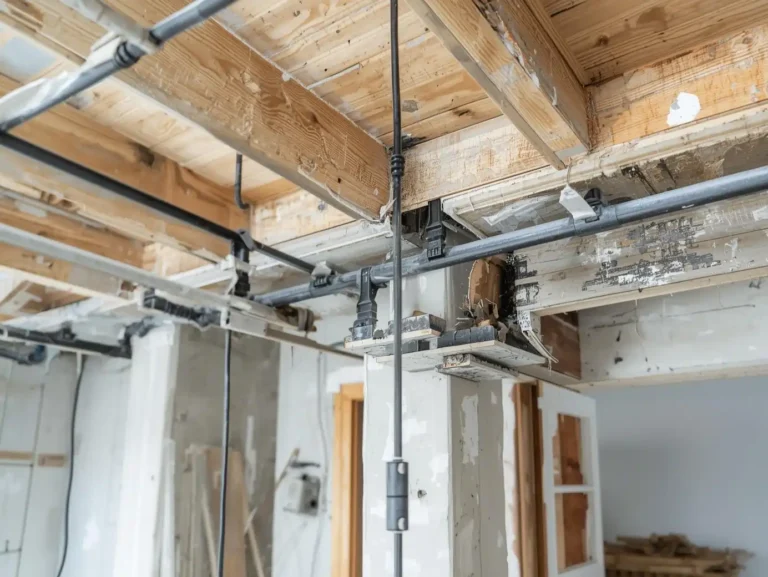
Remedial works vs repairs is an important distinction in NSW construction. A repair usually addresses a specific damaged item. Remedial works usually involve a broader process of identifying the underlying cause of a defect, confirming the affected building elements, selecting an appropriate repair method and documenting the outcome.
A repair may include replacing a cracked tile, fixing a localised leak or patching a small damaged surface. Remedial works may include water ingress investigation, façade rectification, waterproofing replacement, concrete repair, structural remediation, cladding replacement, fire-safety rectification or building-envelope upgrades.
The key difference is that remedial works should address the cause, not just the symptom. Where the defect affects waterproofing, cladding, structural elements, fire safety, building enclosure or BCA-related systems, the scope should be reviewed carefully before the work is treated as routine maintenance.
Common building defects in NSW
Building defects NSW projects commonly involve more than one issue. A visible leak, crack or façade failure can be the end result of design, workmanship, material, drainage, movement, access, maintenance or compliance problems.
1. Water ingress and waterproofing failures
Water ingress can arise from failed membranes, poor falls, drainage defects, cracked render, roof defects, balcony interfaces, façade joints, windows, doors or failed sealants. Repeated water ingress should be investigated before repeated patch repairs are approved.
2. Concrete spalling and reinforcement corrosion
Concrete spalling often occurs where reinforcement corrodes and expands, causing concrete to crack or break away. It may require investigation, removal of unsound material, reinforcement treatment, patch repair and protective coating.
3. Cracking, movement and structural concerns
Cracking can be cosmetic, but it can also indicate movement, settlement, structural distress or water-related deterioration. Where cracking is active, widening, repeated or associated with movement, structural review may be required.
4. Façade and cladding defects
Façade defects may include loose render, delaminated tiles, failed cladding, failed fixings, water ingress, unsafe panels or building-envelope performance issues. These items can create safety, access and compliance risk if they are not properly scoped.
5. Fire-safety and compliance defects
Fire-safety defects can involve penetrations, passive fire protection, doors, egress, services, cladding, fire stopping or incomplete certification. These issues should not be treated as cosmetic defects.
DBP Act duty of care
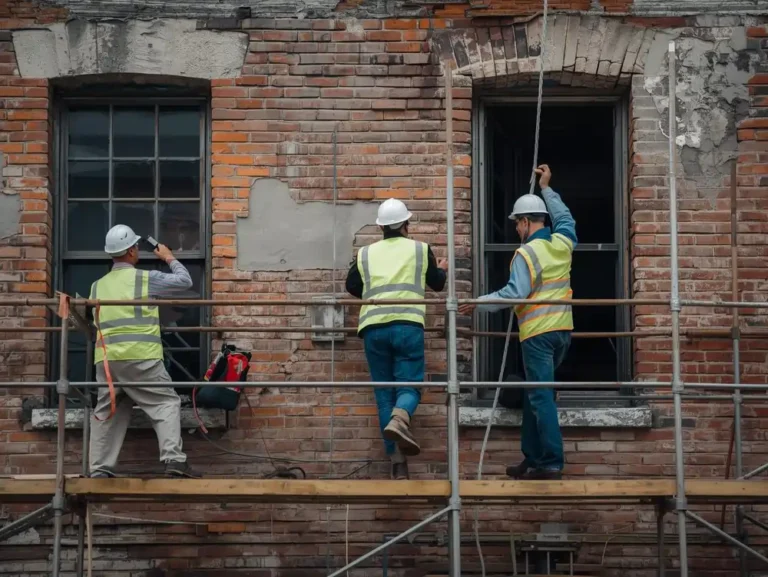
The DBP Act duty of care is important for building defects NSW because it extends accountability for construction work that causes economic loss from defects. Under section 37 of the Design and Building Practitioners Act 2020 NSW, a person who carries out construction work has a duty to exercise reasonable care to avoid economic loss caused by defects in or related to the building for which the work is done. The duty is owed to each owner and each subsequent owner.
The Act also recognises owners corporations and associations in relation to economic loss where they bear the cost of rectifying defects. This is particularly relevant for strata schemes and common-property defects.
Practically, this means building owners, strata managers and owners corporations should keep clear records of defects, reports, photographs, consultant advice, contractor scopes, approvals, quotations, instructions and completion evidence.
Limitation periods and legal rights are project-specific. Owners and strata committees should obtain legal advice where a DBP Act duty of care claim, statutory warranty issue, insurance dispute or serious building defect is being considered.
Evidence and next steps before remedial works
Before approving remedial works, gather enough information to avoid under-scoping the issue. Incomplete information often leads to underpriced quotes, variations, repeated defects and disputes.
- Record the defect: take dated photos and videos showing the issue, location and extent.
- Confirm the affected area: note whether the defect is localised, repeated, spreading or affecting common property.
- Collect documents: gather drawings, reports, warranties, fire-safety records, previous repair documents and maintenance records.
- Assess urgency: identify whether make-safe works, exclusion zones or temporary protection are required.
- Get the right professional input: structural, waterproofing, façade, fire-safety or building-consultant review may be required depending on the defect.
- Clarify compliance pathway: consider whether DBP, planning, strata approval, certification or consultant declarations may be relevant.
- Scope the work properly: separate investigation, design, temporary works, permanent repairs, access, testing and close-out requirements.
- Keep completion records: retain photos, reports, product data, warranties, inspection records and handover documentation.
When to use the DBP remedial works guide
This article focuses on building defects, remedial works vs repairs and DBP Act duty of care. For a more targeted article on DBP-sensitive strata remedial works, use SCE Corp’s related guide: DBP Remedial Works NSW: A Practical Guide for Strata and Building Managers.
That related guide is more suitable where the project involves strata common property, Class 2 buildings, waterproofing, cladding, structural repairs, fire-safety issues, building enclosure works or early DBP triage before contractor pricing.
You can also use the NSW DBP Applicability Checker and the Remedial Planning Tool for early guidance before seeking project-specific advice.
Why SCE Corp for building defects and remedial works?
SCE Corp delivers building and civil construction services across NSW, including remedial works, cladding and recladding, roof replacement, emergency repairs, strata works, insurance repairs, building maintenance and construction-related reporting.
For building defects NSW matters, SCE’s role is practical: help clients understand the likely construction pathway, identify whether further consultant input is required, and deliver appropriately scoped remedial works after the project-specific requirements are confirmed.
- Building and civil capability under one contractor.
- ISO 9001, ISO 14001 and ISO 45001 certified systems.
- Experience with remedial works, cladding, façade, roof, strata, insurance and emergency repairs.
- DBP-aware project delivery where the scope requires careful compliance coordination.
- Practical planning tools to help clients identify the likely next step before formal quotation.
To discuss building defects, remedial works, water ingress, façade deterioration, cladding issues, cracking or structural repair concerns, contact SCE with your site address, photos, available reports and a short summary of the issue.
FAQs about building defects NSW, remedial works and DBP Act duty of care
1. What are building defects in NSW?
Building defects are faults, failures, non-compliances or deterioration in a building or building element. They may involve waterproofing, structure, façade, cladding, fire safety, drainage, finishes, services or workmanship.
2. What is the difference between remedial works and repairs?
A repair usually fixes a specific damaged item. Remedial works are broader and usually involve investigating the underlying cause, confirming the scope and carrying out works intended to rectify the defect properly.
3. What are common building defects in NSW?
Common building defects include water ingress, failed waterproofing, spalling concrete, cracking, structural movement, façade defects, cladding issues, roof defects, drainage failures and fire-safety non-compliance.
4. What is the DBP Act duty of care?
The DBP Act duty of care requires a person carrying out construction work to exercise reasonable care to avoid economic loss caused by defects in or related to the building for which the work is done.
5. Who is owed the DBP Act duty of care?
The duty is owed to each owner of the land and each subsequent owner. For strata schemes, owners corporations can also be relevant where they bear the cost of rectifying common-property defects.
6. Does the DBP Act apply only where there is a contract?
No. The statutory duty of care can apply whether or not the construction work was carried out under a contract or arrangement with the owner.
7. Are all repairs DBP remedial works?
No. Some repairs are minor and routine. However, where the work affects regulated building elements, waterproofing, cladding, structure, fire safety or Class 2 buildings, the project should be checked carefully.
8. What evidence should owners collect for building defects?
Owners should collect dated photos, videos, reports, drawings, correspondence, maintenance records, previous repair records, invoices, consultant advice and any evidence showing when the defect was first noticed.
9. When should a structural engineer be involved?
A structural engineer should be considered where there is cracking, movement, concrete spalling, corrosion, deflection, instability, balcony issues, retaining-wall concerns or any potential load-bearing defect.
10. When should waterproofing defects be investigated?
Waterproofing defects should be investigated where leaks are repeated, widespread, affecting multiple areas, damaging finishes, affecting common property or showing signs of membrane, drainage or building-envelope failure.
11. Can poor remedial works create further liability?
Yes. Incomplete or poorly scoped remedial works can leave the underlying defect unresolved, create further damage, increase cost and expose owners, consultants or contractors to dispute and compliance risk.
12. Should strata managers get one quote before investigating the defect?
Not usually for significant defects. A quote can be unreliable if the cause, extent, access method, consultant requirements and compliance pathway are not yet clear.
13. What is the role of a remedial contractor?
A remedial contractor delivers the approved scope of repair or rectification. Depending on the project, the contractor may work with engineers, consultants, building managers, strata committees, certifiers and other registered practitioners.
14. Does SCE provide legal advice about DBP Act claims?
No. SCE does not provide legal advice. SCE can assist with construction review, remedial planning and delivery. Legal advice should be obtained for DBP Act claims, limitation periods, liability and dispute strategy.
15. When should I contact SCE about building defects?
Contact SCE when you have water ingress, façade defects, cladding issues, concrete spalling, cracking, roof defects, fire-safety concerns, make-safe urgency or a remedial construction issue requiring practical review.