Enquiry Review
Confirm the site, affected areas, observations, maintenance history and the authorised client contact.

Planned, condition-led and documented building work
SCE Corp delivers building maintenance and repairs for strata, commercial, public and residential assets across Sydney and selected NSW locations. We coordinate assessment, planning, procurement and building work around the property’s condition, repair priorities, access and continued use.
Property and facility managers, strata committees, insurers and building owners can use SCE’s major-repair, minor-repair and routine-maintenance services to address defects and plan ongoing care of their assets.
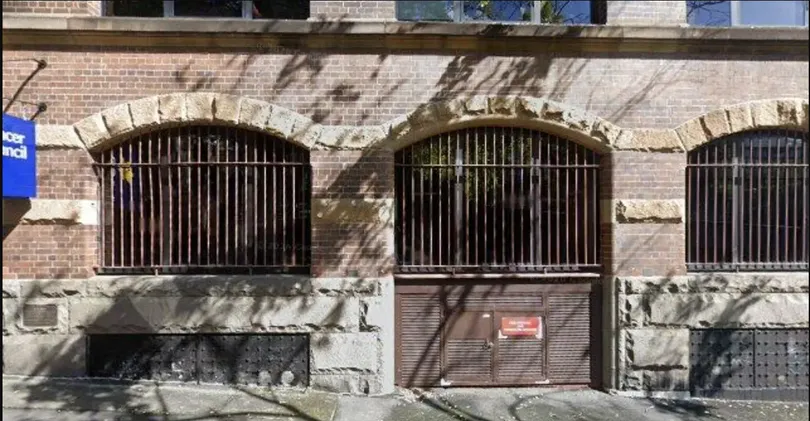
Operations Director Farshid MANESH brings experience coordinating reactive repairs, planned refurbishment, procurement and building-work programmes. Managing Director Frank MANESH adds engineering and defect-assessment experience across roofing, structural repairs, façades and water ingress.
SCE uses those capabilities to distinguish routine upkeep from defects needing investigation or a larger repair package, and to coordinate the necessary trades around the use of the building.
A maintenance enquiry should identify what has been observed, which areas are affected and whether the work is planned, recurring or responding to a developing defect. The information available at the start influences the investigation, consultant input, access planning and construction scope.
Building maintenance options
Choose major repairs, a defined local repair or a recurring maintenance programme according to the building’s condition and the work required.
Use this pathway when the identified repair is extensive, technically involved or requires a substantial planned construction scope.
Review major repairsUse this pathway for defined localised building repairs that do not belong to the major-repair or recurring-maintenance scope.
Review minor repairsUse this pathway for planned, recurring or condition-led maintenance tasks managed through an agreed programme.
Review routine maintenanceThe sequence and responsibilities depend on the building, condition, records, access, approvals, regulated-work requirements and accepted written scope.
Confirm the site, affected areas, observations, maintenance history and the authorised client contact.
Review available photographs, reports and drawings, and establish suitable access for the required inspection or work.
Separate maintenance, investigation, consultant input, regulated design and construction responsibilities.
Coordinate the accepted construction scope around site controls, occupants, operations, quality and programme requirements.
Record work completed, known outstanding items and the next maintenance or rectification action where applicable.
SCE combines building, civil and construction engineering experience with maintenance delivery, coordinating assessment, design inputs, procurement and the necessary trades. SCE is NSW DBP registered.
Engineering and specialist inputs are provided through the qualified team and appointed professionals according to the condition and proposed work. Regulated work is allocated to practitioners with the required competence, registration and appointment; statutory certification and approval decisions remain with the appointed independent certifier and relevant authority.
The initial review identifies where a specialist assessment is needed to establish the cause of a defect and the appropriate repair methodology.
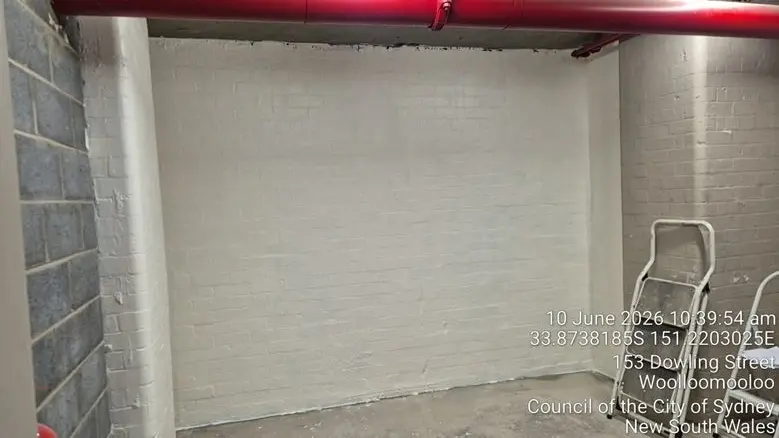
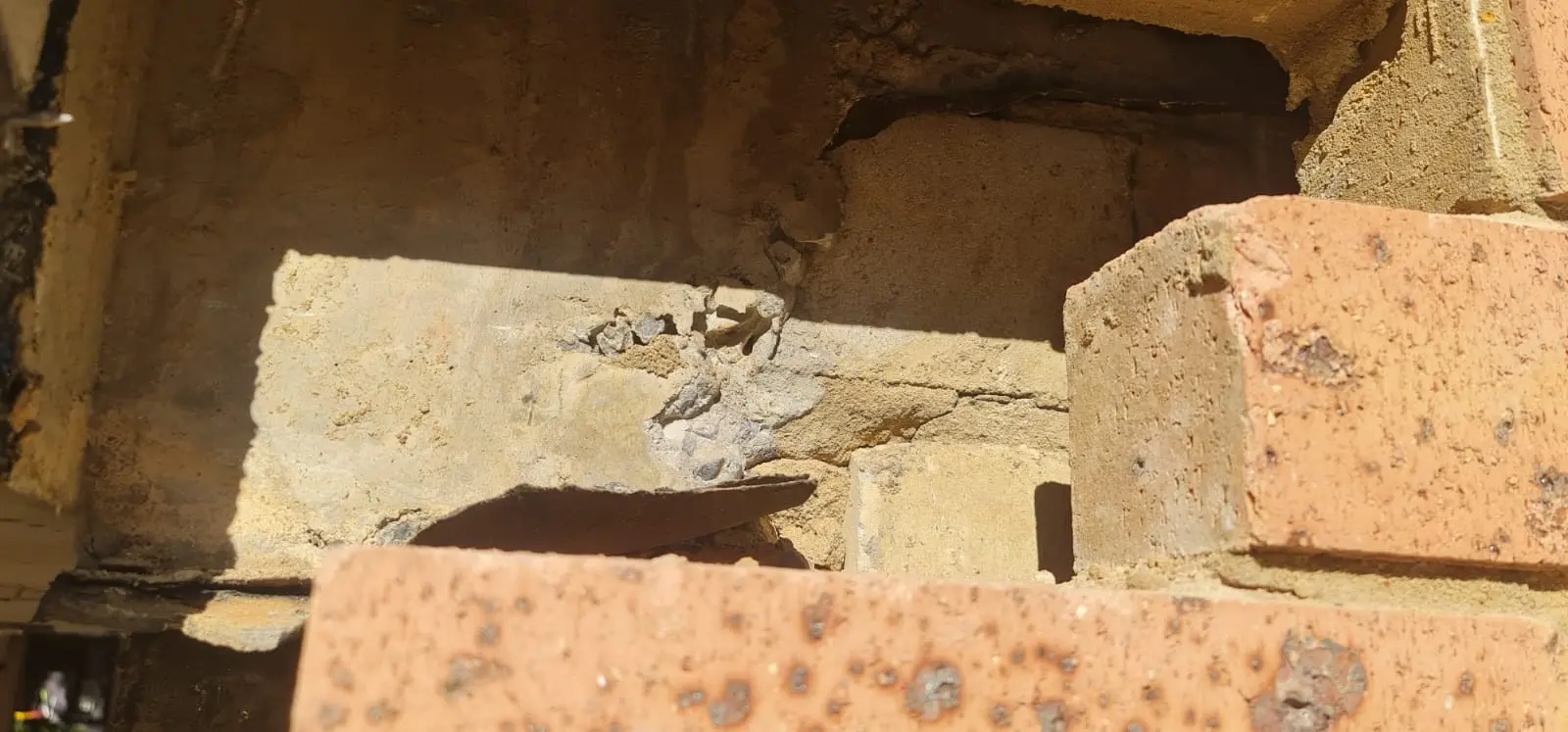
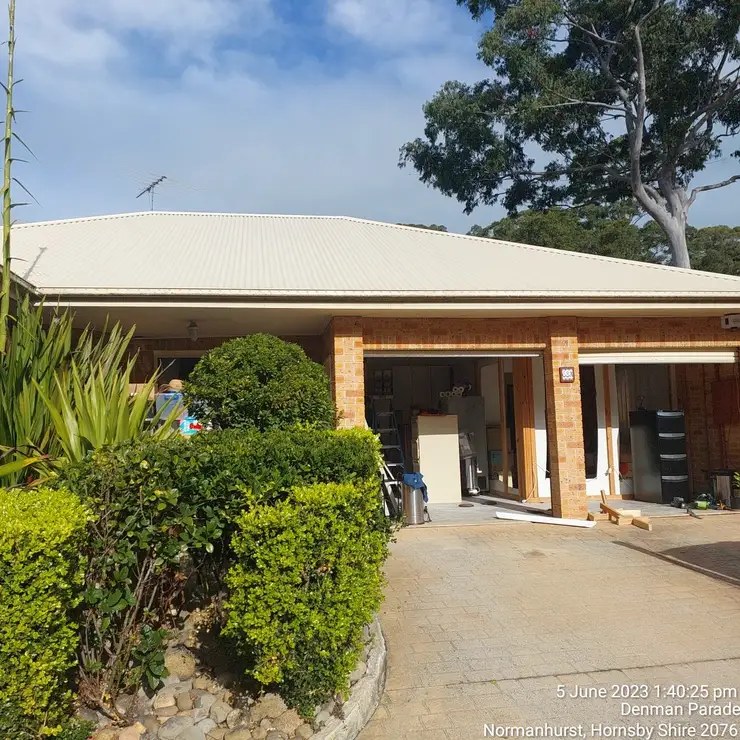
Genuine SCE project records
Each image below is identified by its actual SCE project and recorded work stage.
A useful initial brief identifies the actual condition, current operational impact, available evidence and the decision required. That allows maintenance work to be separated from emergency controls, investigation, design and permanent rectification.
SCE plans maintenance around property access, occupants and operations across Sydney and selected NSW locations. The agreed scope sets the work priorities, programme, responsibilities and records needed to manage the asset after completion.
Review Service LocationsBuilding maintenance questions
Building maintenance may include planned inspections, defined repairs, recurring tasks and condition-led work required to keep an existing asset functional. The actual scope depends on the building, observed condition, records, access, priorities and the parties responsible for design, approvals and specialist advice.
Major repairs address extensive or technically involved work, minor repairs address defined localised work, and routine maintenance covers planned or recurring tasks. SCE reviews the available evidence and intended outcome before directing an enquiry to the suitable service pathway.
Provide the site address, photographs, affected areas, maintenance history, available reports or drawings, access constraints, preferred timing, stakeholder details and the authorised project contact. Do not enter an unsafe or restricted area to obtain information.
Yes. SCE coordinates maintenance around occupants and operations using planned access, work zones, temporary protection and stakeholder communication. The building and proposed works determine the staging, safety controls and any temporary restrictions needed. The Seven Hills ceiling and painting project provides an example of work sequenced within an occupied home.
The defect, proposed work and applicable requirements determine the engineering, design and specialist inputs. SCE coordinates those inputs through its qualified team and appointed professionals. Regulated work is allocated to appropriately qualified and registered practitioners, with statutory certification undertaken by the appointed independent certifier.
Yes. SCE is NSW DBP registered. Project-specific regulated designs, declarations and practitioner responsibilities are allocated to the appropriately qualified and appointed parties for the actual scope.
They are confirmed after the available evidence, site condition, access, stakeholder requirements, consultant inputs, approvals and commercial terms have been reviewed. The accepted written scope should identify the work, exclusions, responsibilities and required records.
Share the property location, observed condition, access requirements and available records. SCE reviews the work priorities and any inspection or specialist inputs needed, then confirms the proposed attendance, scope, programme and commercial terms with the authorised client contact.
Send the site address, photographs, affected areas, available reports, maintenance history and access constraints. Our team will review the requirements and discuss a practical maintenance or repair approach with the authorised project contact.