Evidence Review
Confirm the site, affected area, photographs, known history and authorised contact.

Defined, localised and documented repair work
SCE Corp delivers minor building repairs for strata, commercial, education and other properties across Sydney and selected NSW locations. Our team investigates the affected area, defines the repair, arranges materials and trades, and coordinates the work around the building’s use.
Localised repairs can restore damaged components and address defects before a larger programme becomes necessary. We identify related issues and any specialist inputs needed to develop a practical repair method.
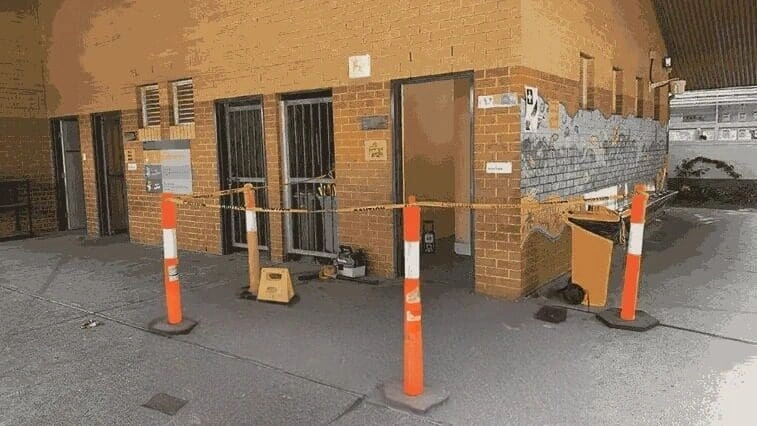
SCE applies its engineering and building experience to a localised repair as well as to a major project. Operations Director Farshid MANESH brings experience in reactive school and property repairs, procurement and trade coordination; Managing Director Frank MANESH contributes building-condition and remedial-assessment experience.
This helps the team define the repair boundary, recognise interfaces that need further investigation and organise the work around the property’s use. The Western Sydney school example below provides a recorded operational-building context.
Minor repairs address a specific defect, damaged component or localised area. Inspection establishes the underlying condition, repair method and any connected work needed for a durable result.
Choose the correct repair pathway
The size of the affected area, urgency and underlying cause help determine whether a local repair, major rectification or ongoing maintenance programme is appropriate.
Compare local repairs, larger rectification programmes and planned care of the building.
Compare maintenance servicesUse this pathway for substantial or technically involved repair programmes with broader staging and dependencies.
Review major repairsUse this pathway for planned, recurring or condition-led maintenance delivered through an agreed programme.
Review routine maintenanceUse this pathway where an urgent incident or observed risk requires assessment and suitable immediate controls.
Review emergency worksThe delivery sequence is confirmed for the actual condition, building use, access, responsibilities and accepted written scope.
Confirm the site, affected area, photographs, known history and authorised contact.
Review access and identify any consultant, design, certification or regulated-work requirements.
Set the repair work, exclusions, interfaces, access controls and agreed records.
Coordinate the accepted construction scope around safety, occupants and operations.
Record completed work and any agreed documents or future maintenance items.
SCE combines building and construction engineering experience with repair delivery, from assessment and design inputs through procurement, trade coordination and handover. SCE is NSW DBP registered.
Our qualified team and appointed professionals provide the engineering and specialist inputs appropriate to the repair. Regulated work is allocated to practitioners with the required competence, registration and appointment; statutory certification and approval decisions remain with the appointed independent certifier and relevant authority.
A task described as minor may still require specialist assessment or another service pathway once the actual condition and proposed work are reviewed.
Genuine SCE project evidence
SCE's recorded programme across seven Western Sydney schools included defined repair tasks involving toilet partitions, plasterboard patching, rust and concrete patching, doors, locks and panels, roofing components, downpipes and vents, laminated glass and inspections. The project demonstrates how multiple localised tasks can be coordinated across operational education sites.
View the Western Sydney reactive-maintenance project record.
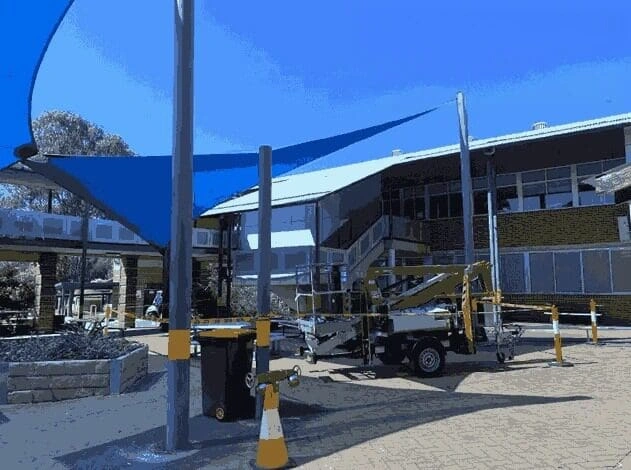
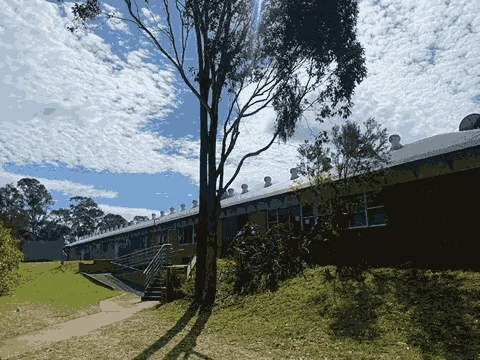
A useful initial brief identifies the observed issue, affected area, operational impact, available evidence and the decision required. This helps separate minor construction work from emergency controls, major works, recurring maintenance and specialist responsibilities.
SCE coordinates repairs across Sydney and selected NSW locations. We confirm site access, occupant needs, materials, trade availability and any approvals when developing the agreed scope and programme.
Minor building-repair questions
Minor building repairs include localised work to walls, linings, partitions, doors, locks, panels, finishes and small areas of concrete or corrosion damage. SCE’s Western Sydney school programme included these types of tasks across seven operational schools. Inspection confirms the repair method and any technical inputs needed for the actual condition.
Minor repairs address bounded localised work, while major repairs involve a substantial or technically involved programme with broader staging, dependencies or professional inputs. The observed condition and proposed scope determine the correct pathway.
No. A minor repair addresses a defined defect or damaged area. Routine maintenance covers planned, recurring or condition-led activities delivered through an agreed programme.
Yes. SCE plans repairs around occupants and operations using defined work areas, access arrangements, protection and stakeholder communication. Our Western Sydney reactive-maintenance programme demonstrates coordination across operational schools. The proposed repair determines the staging and any temporary restrictions.
Provide the site address, photographs, affected area, observed issue, known repair history, available reports or drawings, access requirements, operational constraints and the authorised project contact. Do not enter an unsafe or restricted area to obtain information.
SCE coordinates assessment, engineering and design inputs through its qualified team and appointed professionals. Where regulated work is required, the relevant responsibilities are allocated to appropriately qualified and registered practitioners. Statutory certification remains with the appointed independent certifier.
An urgent incident or observed risk should first follow the emergency-remedial pathway so suitable assessment and immediate controls can be considered. Do not enter or disturb an area that may be unsafe.
SCE undertakes minor building repairs across Sydney and selected NSW locations. Share the property address, affected area and available records so the team can confirm the scope, inspection requirements, access and programme.
Send the site address, photographs, affected area, known repair history and available reports or drawings. Our team will discuss access requirements and the next steps with the authorised project contact.