Evidence Review
Confirm the site, affected areas, available reports, drawings, repair history and the authorised client contact.

Scoped, staged and documented repair delivery
SCE Corp delivers major building repairs for strata, commercial, public and residential assets across Sydney and NSW. Our engineering and construction expertise brings investigation, structural repair, temporary works, procurement and trade coordination together for complex projects, including occupied and operational buildings.
This service covers planned major repairs. Use emergency remedial services for immediate risk controls, or minor repairs and building maintenance for smaller or recurring work.
Managing Director Frank MANESH brings experience in structural repairs, roof replacement, major refurbishment and multidisciplinary building work. Operations Director Farshid MANESH connects estimating, procurement, programme and site delivery so substantial repairs can be planned with the associated access, temporary works and finishing trades.
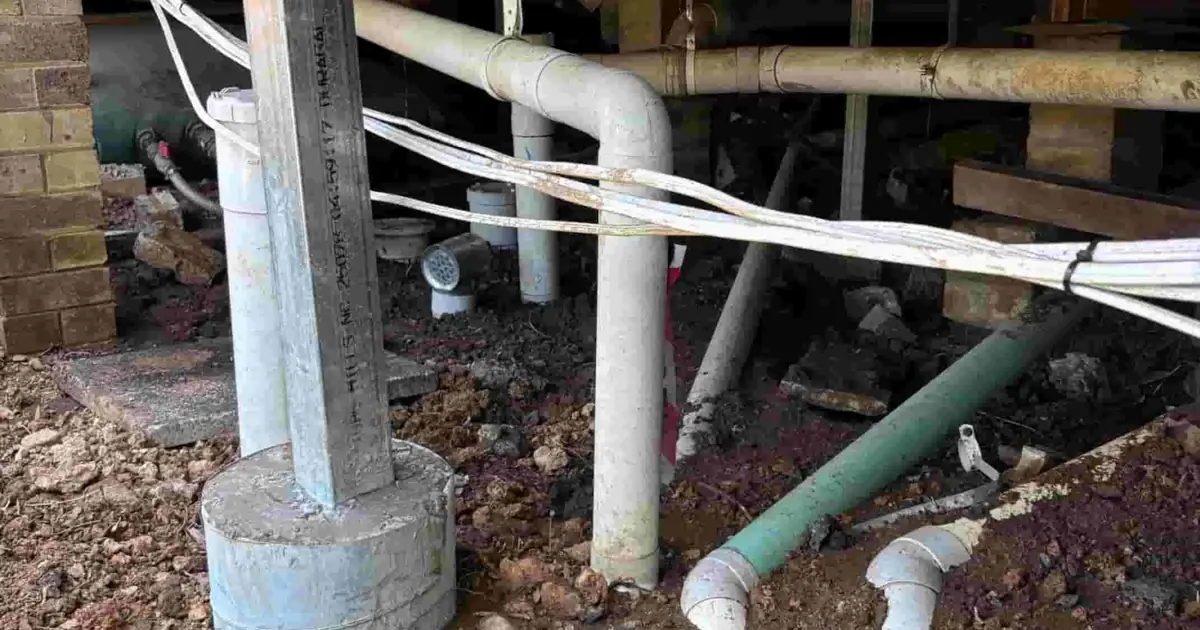
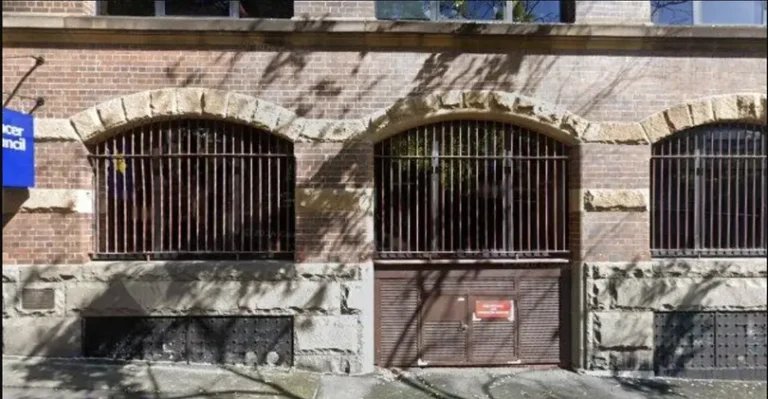
The Lane Cove school project below demonstrates that coordinated approach across temporary support, investigation, permanent structural work, a replacement sewer connection and reinstatement.
A major repair pathway is appropriate when the work is substantial, technically involved, dependent on coordinated investigation or design inputs, or must be staged around occupants, operations and multiple stakeholders.
Choose the right repair pathway
The scope and urgency determine whether the building needs a planned major repair, a localised repair, ongoing maintenance or an emergency response.
Compare major repairs, minor repairs and routine maintenance to identify the service that matches the building’s condition and required work.
Review the maintenance hub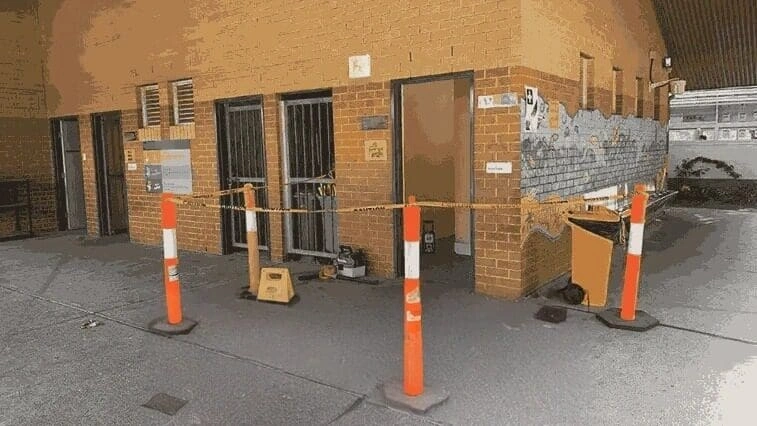
Use this pathway for defined, localised repair work that does not require a substantial major-repair programme.
Review minor repairs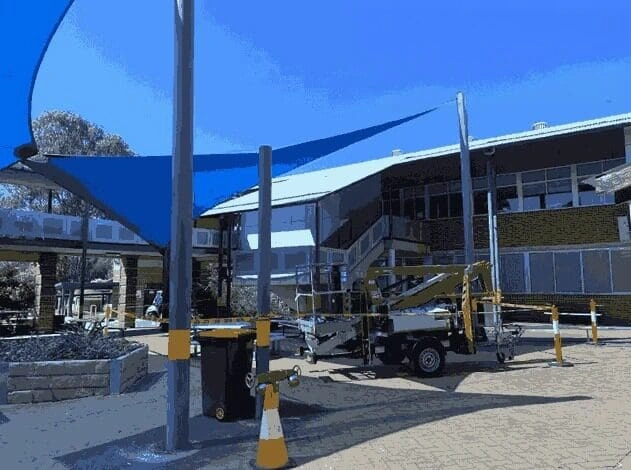
Use this pathway for planned, recurring or condition-led maintenance managed through an agreed programme.
Review routine maintenanceThe sequence depends on the building, condition, access, responsibilities, regulated-work requirements, approvals and agreed scope. Before appointing a contractor, use our remedial tender comparison guide to check that each proposal includes the same work, access and completion records.
Confirm the site, affected areas, available reports, drawings, repair history and the authorised client contact.
Establish suitable access and identify the consultant, design, certification or registered-practitioner inputs required for the actual scope.
Define the construction work, exclusions, interfaces, temporary controls, inspection points and delivery sequence.
Coordinate the accepted construction scope around safety, occupants, operations, quality controls and the agreed programme.
Record the completed work, agreed inspections, supplied documents and any outstanding or future maintenance actions.
SCE combines engineering and construction capability to plan and deliver complex repair packages. SCE is NSW DBP registered and manages the agreed construction scope, site interfaces and quality controls.
Engineering advice, specialist reports and regulated documentation are delivered through professionals with the competence, registration and appointment required for the scope. Statutory approvals and independent certification remain with the responsible authorities and certifiers.
SCE coordinates the required design and assessment inputs with the construction sequence, so the relevant responsibilities and documentation are established before the affected work proceeds.
SCE structural repair project
At Currambena Preschool and Primary School in Lane Cove, movement at a masonry pier led to exclusion controls, investigation and a structural repair programme. The recorded works included the affected pier area, replacement sewer pipework, new steel support and permanent concrete footing work.
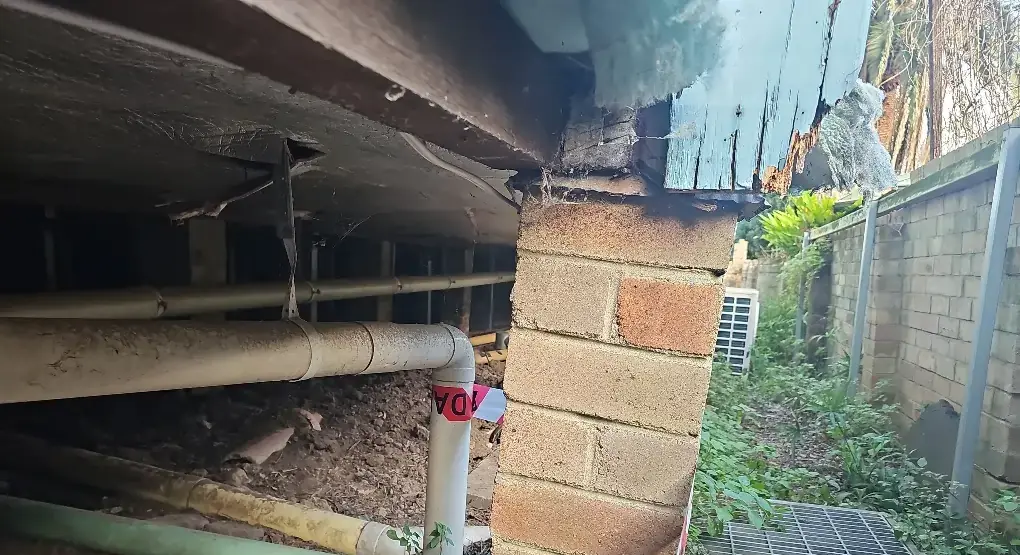
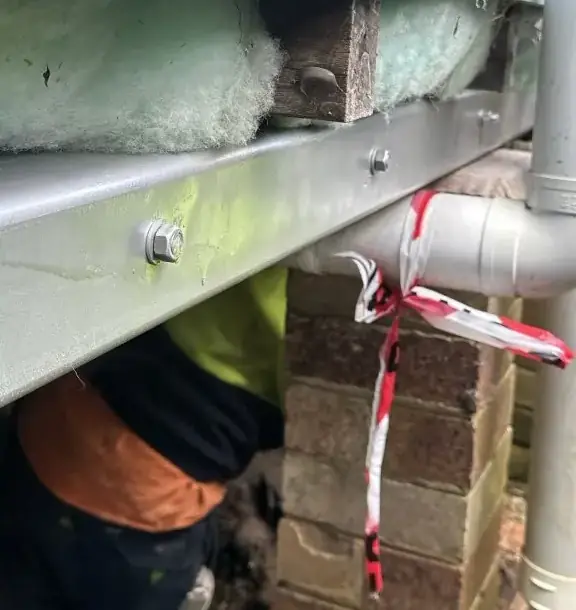
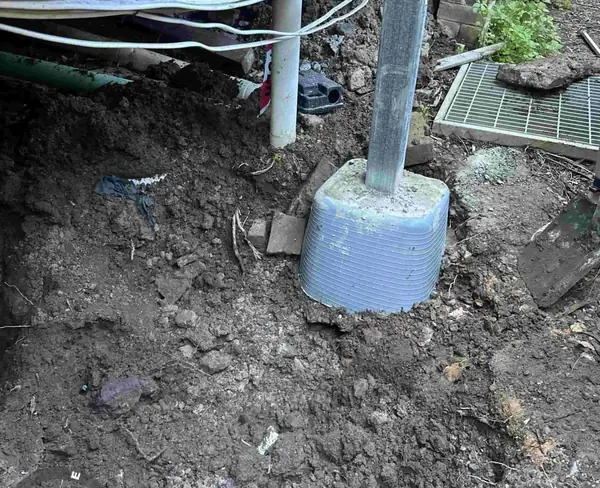
A useful initial brief identifies the observed condition, affected areas, current operational impact, available evidence and the decision required. This allows immediate risk controls, investigation, design responsibilities and permanent construction to be separated.
SCE plans and delivers major building repairs across Sydney and NSW. Our team establishes the investigations, design inputs, approvals, access arrangements and construction programme needed to progress the project.
Major building-repair questions
For planning repairs around inspection records and future maintenance, see our repair quality and handover questions.
The price depends on the defect’s extent and cause, investigation and design, temporary support, access equipment, material selection, occupied-building staging and reinstatement. At Lane Cove school, the work involved temporary support, investigation, structural repairs, a replacement sewer connection and reinstatement, so a price for the visible pier alone would not describe the complete project. SCE develops an itemised scope and explains allowances, exclusions and how newly exposed defects will be assessed and authorised. Compare proposals against the same repair design and access assumptions rather than the total alone.
Major building repairs may include substantial rectification or replacement work, staged remedial construction, works informed by project-specific reports or drawings, and repair programmes involving access, occupancy or stakeholder constraints. The correct pathway is confirmed only after the actual condition and proposed scope are reviewed.
Provide the site address, photographs, affected areas, observed changes, available reports and drawings, repair history, access constraints, occupancy requirements and the authorised project contact. Do not enter an unsafe or restricted area to obtain information.
SCE identifies the engineering, design, testing and certification inputs required for the building and proposed repair. Our engineering and construction team brings the appropriate specialists into the project and coordinates their requirements with the construction sequence. Regulated designs and declarations are prepared by appropriately registered practitioners where required; statutory approvals and independent certification remain with the responsible authorities and appointed certifiers.
SCE plans major repairs around occupied strata and commercial buildings through staged work zones, safe access, temporary protection, resident or tenant communication and coordinated service interruptions. We identify which areas can remain in use and where temporary restrictions or relocation are needed before agreeing the programme. Structural stability, emergency access and the repair sequence govern the staging; continuing occupation is not assumed for every work area.
Major repairs involve a substantial or technically involved construction scope, while minor repairs address defined localised work. The repair extent, dependencies, staging, professional inputs and documentation requirements determine the suitable service pathway.
Routine maintenance may support the repaired asset through planned inspection, cleaning, adjustment or recurring tasks identified for the completed scope. Any future programme should reflect the actual handover information and the responsible parties for the building.
The agreed handover may include records of completed work, supplied product information, inspection records, photographs and known outstanding or future maintenance items. The documents provided depend on the accepted scope and the responsibilities of SCE, consultants, suppliers and other project parties.
SCE delivers major building repairs across Sydney, the Hunter and NSW. Our Sydney and Cessnock offices, experienced project teams and regional suppliers support work across these areas. We select the engineering, supervision, specialist trades and equipment for each project, with access, mobilisation and construction dates agreed with the owner.
Send the site address, photographs, affected areas, available reports and drawings, access constraints, occupancy requirements and the authorised stakeholder details to discuss the repair scope.