Define the remedial design pathway
Use this service to organise evidence, consultant inputs, repair-design interfaces, buildability questions, responsibilities and the transition into an accepted repair scope.

SCE Corp delivers remedial design coordination for complex existing-building repairs across Sydney and selected NSW locations. Our construction and engineering expertise connects defect investigation, design development and practical delivery.
We coordinate investigation findings, technical responsibilities, buildability, access, staging and approvals interfaces so the repair brief is ready for pricing and construction. The project appointments identify who provides each design, specialist assessment, certification and statutory approval.
Managing Director Frank MANESH brings experience in defect assessment, engineering reporting, remedial solutions and structural and façade works. Accounts and Design Manager Sahar MANESH contributes architectural-engineering experience, design coordination, drawing registers and technical submittals.
SCE’s Surry Hills strata engagement provides a completed example: assessment and investigations, remediation specifications, an engineering inspection report, remediation design and tender management, delivered with specialist engineering consultant input.
Use remedial design coordination to connect investigation findings, technical inputs and construction requirements. Explore Design Services for a wider design brief or Building Remedial Services for the repair-delivery options.
Use this service to organise evidence, consultant inputs, repair-design interfaces, buildability questions, responsibilities and the transition into an accepted repair scope.
Use the broader remedial-services pathway where the principal need is investigation and construction delivery for an existing-building defect or rectification scope.
Explore Building Remedial Services → Structural worksUse the structural remedial pathway where the principal requirement concerns structural repair works supported by the appropriate engineering and statutory appointments.
Explore Structural Remedial Services →A useful initial review records what is known, who produced each item and which questions remain unresolved before a repair method is relied upon.
Provide the address, building use, affected areas, photographs, event history, observed movement or damage, access constraints and any immediate restrictions already in place.
Identify available surveys, engineering or consultant reports, drawings, specifications, strata or insurer records, approval material and the status and author of each document.
Record occupancy, critical operations, neighbours, public interfaces, services, shutdown limits, temporary access, hazardous-material information and required stakeholder communication.
Explain the intended appointment structure, decision milestones, insurer or owner approvals, procurement assumptions, long-lead concerns and proposed repair timing.
Confirm the building, affected area, reported problem, available evidence, existing restrictions, stakeholder needs and known information gaps.
Identify required owner, strata, insurer, architect, engineer, consultant, certifier, registered-practitioner, authority and contractor responsibilities for the actual scope.
Bring verified findings, repair-design inputs, temporary conditions, access, services, sequencing, safety, procurement, inspection and closeout needs into the documented interfaces.
Record the accepted documents, assumptions, exclusions, approvals, hold points, outstanding items and responsibilities needed before repair pricing or mobilisation is relied upon.
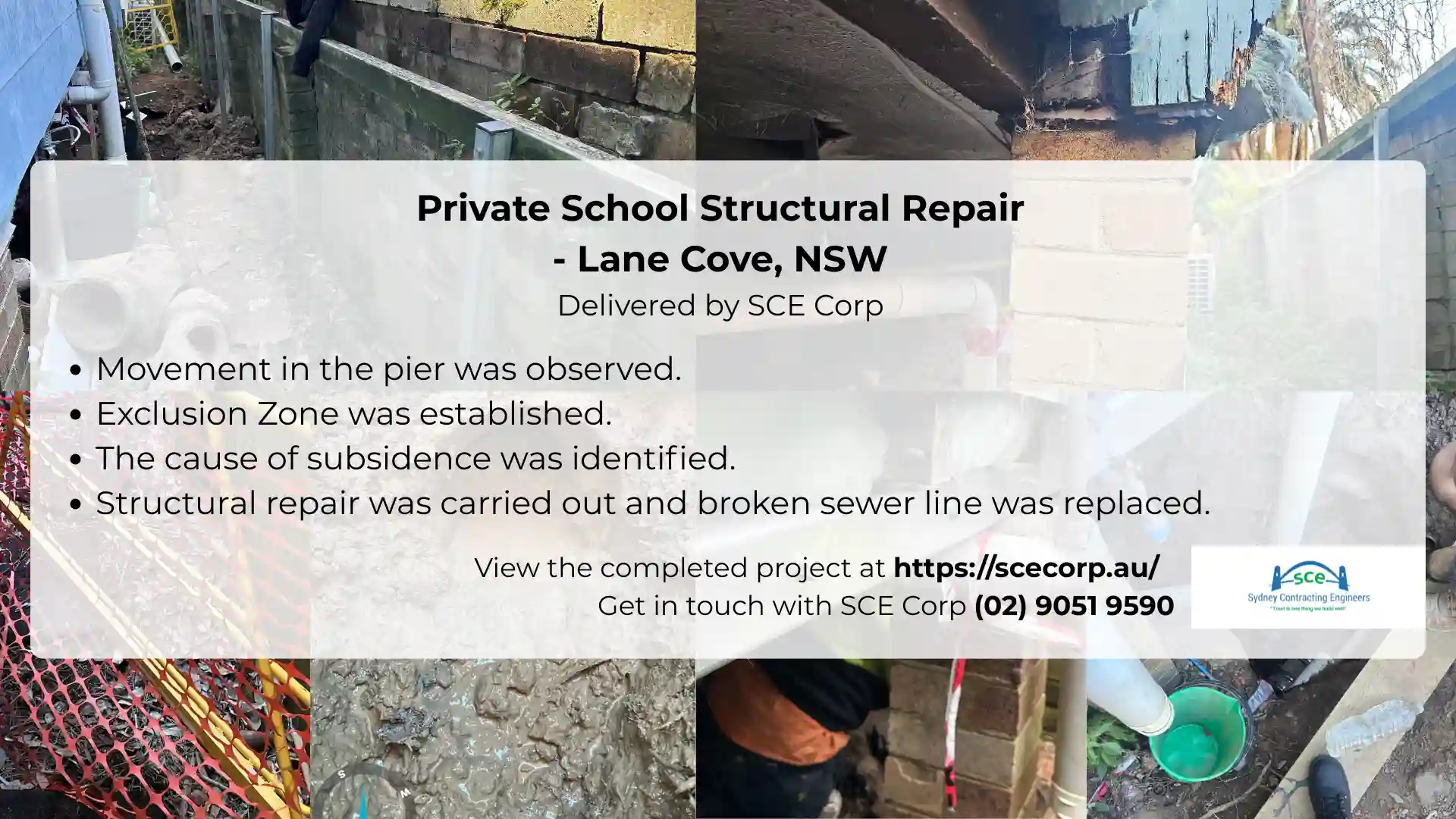
These visually verified SCE project assets document structural remedial works at a Lane Cove school. They demonstrate investigation and repair interfaces without claiming that SCE prepared the original building design.
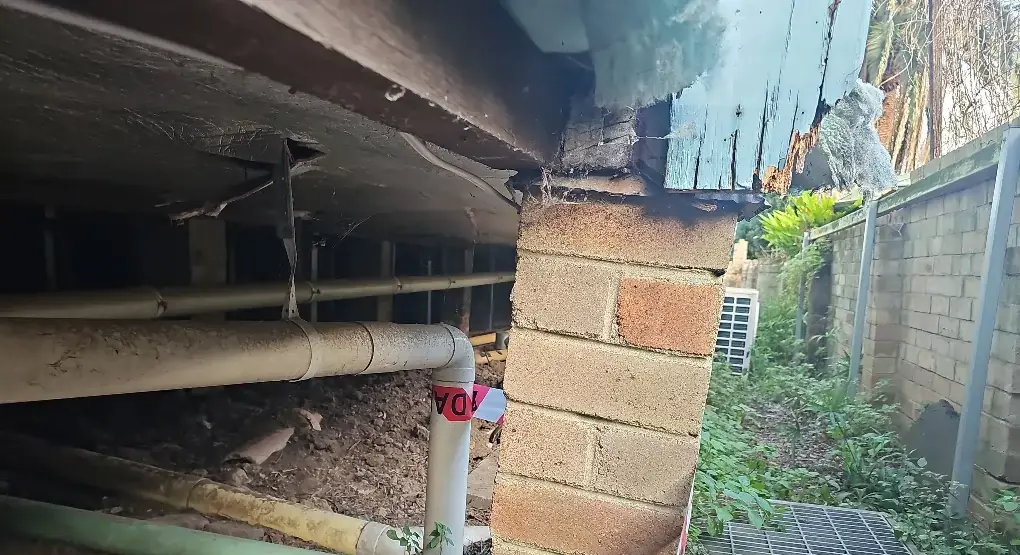
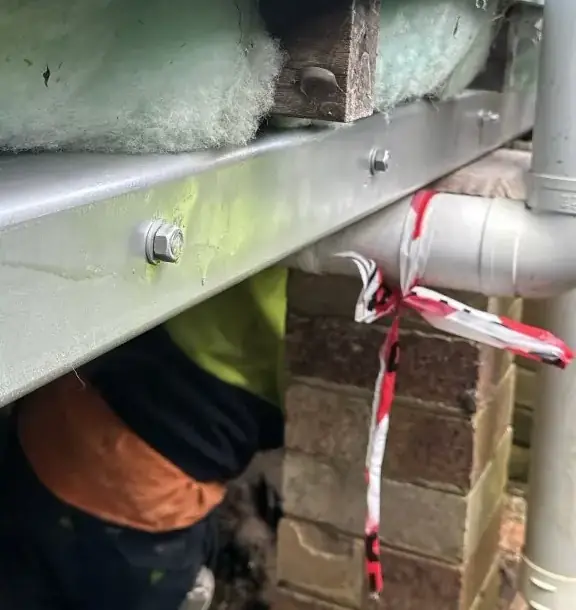
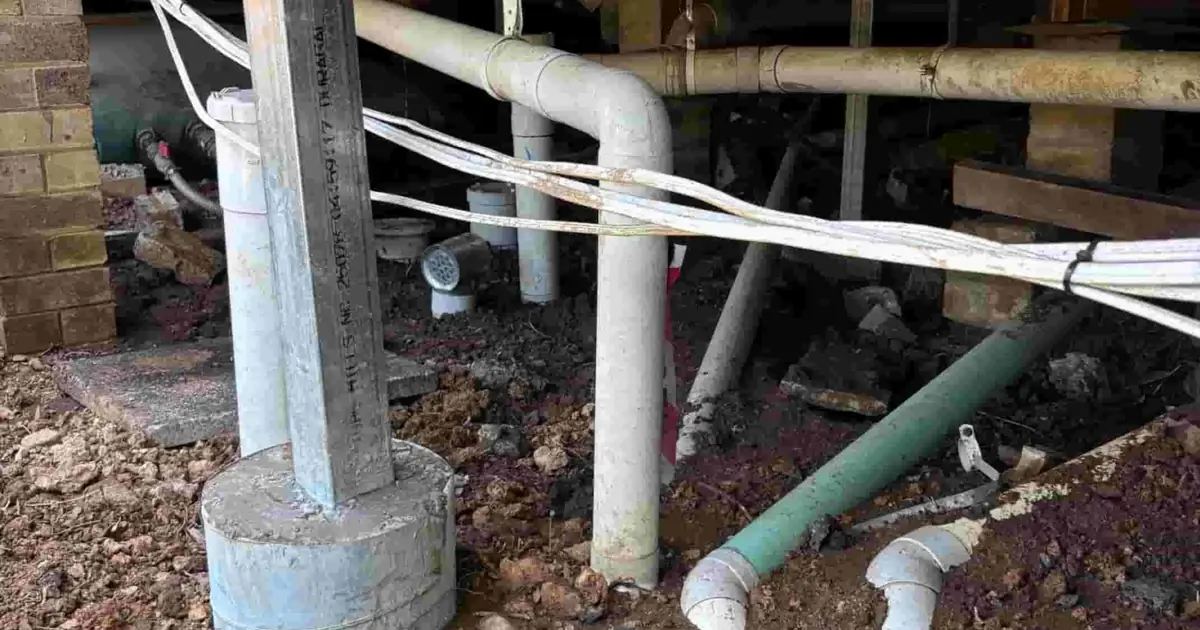
A repair brief needs to explain what is established, what still needs investigation and how design decisions affect construction. SCE coordinates these outputs around the building, defect, appointment structure and procurement model.
Before tender, distinguish confirmed repair work from unresolved investigation or design items. Record who will resolve each item and when it affects pricing, procurement or site access. This helps clients compare proposals against the same information instead of comparing prices based on different assumptions.
Record available findings, document status, evidence gaps, responsible parties, required appointments, decisions and the information needed before further reliance.
Identify access, temporary support, isolation, demolition, services, weather exposure, occupied-area controls, procurement, sequencing and reinstatement interfaces for consideration by the appointed team.
Confirm the accepted repair information, approvals, hold points, inspection and testing requirements, records, handover deliverables, outstanding items and maintenance information relevant to the agreed scope.
These direct current links separate design coordination, defect-specific services, completed project evidence, location context and preliminary DBP questions.
These answers are general and do not replace project-specific architectural, engineering, planning, certification, insurance, legal or approval advice.
It can coordinate available defect and investigation evidence, consultant interfaces, repair-design inputs, buildability questions, access and staging, approvals responsibilities, procurement assumptions and the information needed to transition towards an accepted repair scope. The exact service depends on the project appointment.
Use remedial design coordination where the main need is to organise evidence, appointments, repair-design interfaces and construction-facing decisions. Use the relevant Building Remedial Services pathway where the principal need is investigation and delivery of repair works. Some projects may require both under clearly defined appointments.
Provide the property address, building use, photographs, defect or event history, affected areas, available reports, drawings and specifications, strata or insurer records, approval status, consultant details, access and operating constraints, existing restrictions and proposed timing.
Not automatically. SCE's construction and coordination role is separate from architect, engineer, certifier, consent-authority and registered-practitioner responsibilities. Any specialist service must be expressly included, lawfully performed and supported by the appropriate appointment and evidence.
The appropriate appointed professionals and responsible parties determine the level of investigation, diagnosis, design and approval required for the actual defect and building. SCE can coordinate construction-facing evidence and interfaces within its accepted role but does not infer a cause or prescribe specialist work without the required basis and appointment.
Applicable duties depend on the building class, work type, regulated designs and practitioner roles. The actual project team must confirm required registrations, declarations, designs and lodgements. SCE's NSW DBP registration does not replace other appointed-party responsibilities.
The transition should record the accepted reports, drawings, specifications, approvals, responsibilities, assumptions, exclusions, temporary conditions, outstanding items, hold points, inspection and testing requirements and required handover records before repair pricing or mobilisation is relied upon.
SCE Corp reviews suitable opportunities across Sydney and selected NSW locations where the scope, site, evidence, stakeholder requirements, programme and available resources support a commercially appropriate pathway. Location coverage and project acceptance are confirmed only after review.
Send the property address, photographs, defect history, available reports and drawings, consultant and approval status, access or operating constraints, stakeholder requirements and proposed timing. SCE will review the evidence and identify the next step for defining and delivering your remedial project.