Resolve Site Discoveries Before the Next Work Stage
A construction query needs more than a response in an email. Identify which drawing, material order and work stage the decision affects, obtain the responsible consultant’s direction, and carry the agreed revision into the information used by the construction team. A late change to a footing or service route can affect temporary support, access and the order in which trades proceed.
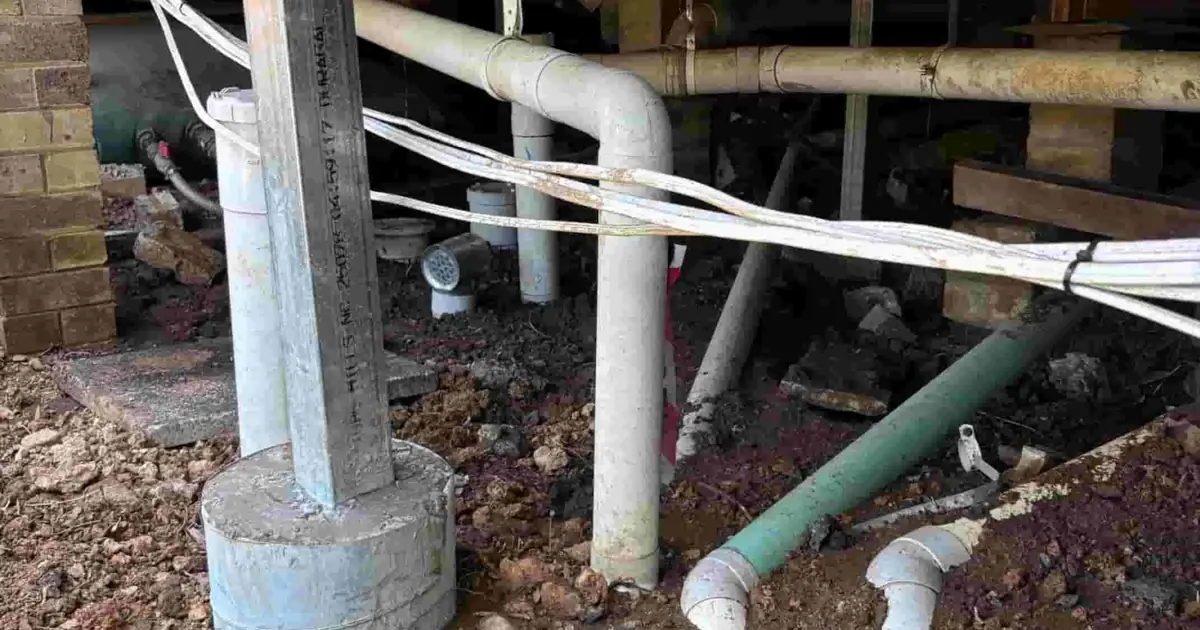
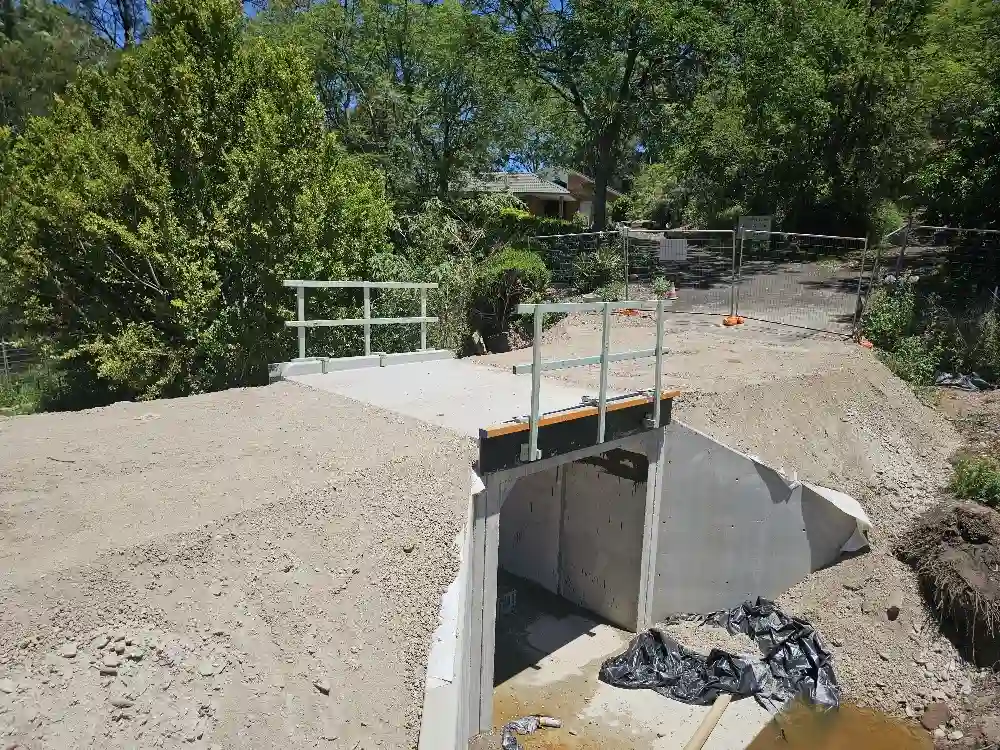
At SCE’s Lane Cove school project, controlled excavation around a moving masonry pier identified a damaged sewer. The works brought together temporary support, engineer-designed structural steel and footing repairs, sewer replacement and reinstatement within the school-holiday programme. The sewer work needed to be resolved before backfilling and completing the surrounding works.
This is the practical purpose of design coordination: connect the actual site conditions, the responsible designer’s repair requirements and the next construction activity. It supports clear decisions before work is covered, materials are committed or an affected area is released.
Use completed work to improve future designs
Design review benefits from knowing how a detail performed during construction and inspection. SCE brings its engineering, building and remedial experience into that review, so a site discovery does not end with an isolated email. We explain the observed condition to the responsible designer, coordinate the agreed revision and check how it was implemented.
Frank MANESH uses that experience when reviewing later project briefs and design details. Practical lessons can concern fixing access, material compatibility, trade sequencing or the ability to inspect a completed junction. Each is assessed for the new project rather than assuming a detail that worked elsewhere will suit every building.