
NSW remedial quality-control guide
Trial Areas, Mock-ups and Hold Points for NSW Remedial Works
Repetitive remedial work should not proceed from an unclear first attempt. A controlled trial area, mock-up or hold point can test the proposed sequence, establish the required evidence and create a documented release before wider work continues.
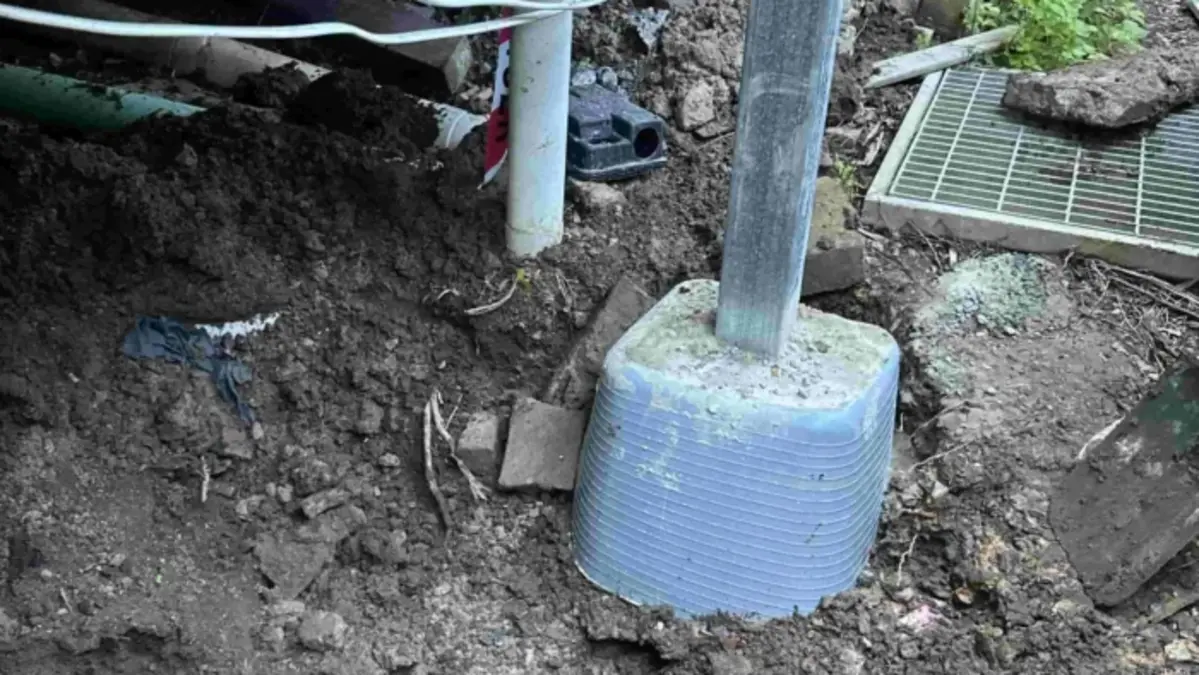
Trial areas, mock-ups and hold points are related but different controls. A trial area tests a limited portion of the proposed work under project conditions. A mock-up or sample establishes an agreed reference for an interface, build-up, finish or appearance. A hold point is a planned stop that requires specified evidence and release by the authorised party before work continues.
None of these controls replaces an adequate scope, regulated design where required, competent installation, inspection, testing or closeout. Their purpose, location, acceptance criteria, reviewer and release authority should be written into the project documents. Start with a construction-ready consultant-to-contractor handover and use SCE’s Building Remedial Services pathway for project-specific delivery.
Eight controls before repetitive work is released
1. Define the purpose
State whether the control is testing access, removal limits, substrate condition, preparation, interface detailing, product application, curing, appearance, inspection access or the proposed record set. Avoid a vague instruction to “provide a sample”.
2. Identify the exact location
Record elevation, level, unit or common-property area, element, grid or defect reference and approximate extent. Confirm access, isolation, weather exposure, resident or operational constraints and how the area will be protected.
3. Confirm issued inputs
List the current drawings, specifications, repair schedules, product data, approved submissions and instructions. For regulated work, confirm the applicable design and declaration status before related building work proceeds.
4. Record the proposed sequence
Document access, protection, removal, preparation, cleaning, treatment, installation, thickness or coverage, curing, testing, reinstatement and handback. Identify specialist inputs and safety controls without shifting responsibility by implication.
5. Set acceptance criteria
Use project-specific measurable criteria where available: dimensions, preparation condition, coverage, finish, adhesion or other required tests, interfaces, photographs and records. The appropriately appointed designer or consultant should define technical criteria where required.
6. Allocate review and release
State who prepares, witnesses, reviews, accepts and releases the work, and whether release applies to one location, one work type or a defined repeated area. Attendance alone should not be treated as approval.
7. Control a failed or changed trial
If the result is not accepted, stop the affected sequence, record the condition, protect the area and investigate with the appropriate parties. Revised design, product, method or criteria should follow the documented change pathway.
8. Carry the reference into closeout
Retain the approved record, release, product and batch details, photographs, tests, variations and locations to which the reference applies. Link them to the remedial closeout index.
When an accepted trial can be repeated elsewhere
A signed release should identify both the accepted reference and the locations or conditions it covers. Before repeating the work, compare the next area with the trial: substrate and defect condition, exposure, repair depth or build-up, interfaces, access, proposed materials and installation sequence. A good-looking finish in one accessible area does not demonstrate concealed preparation or an interface that was absent from that trial.
If those conditions change, record the difference and obtain the required review before extending the release. A change of product, method or installation team should prompt a check of whether the original demonstration remains representative; it does not automatically require an identical new trial in every case. Keep the accepted sample or its agreed photographic reference identifiable, and record which inspection and test requirements continue during production. Acceptance of a sample is not a release from subsequent inspections.
Where these controls can add value
A project may consider a trial area or mock-up where existing substrates vary, work will be repeated across many locations, interfaces are difficult to inspect later, appearance matters, access is costly to relocate or the proposed sequence has not been demonstrated under the actual conditions. Examples can include concrete repair, coatings, waterproofing, sealants, façade and cladding interfaces, roofing details and reinstatement finishes. The project documents—not a generic checklist—determine whether a control is required.
Useful related pathways include Concrete Remedial Services, Structural Remedial Services, the Lane Cove remedial project, the Remedial Planning Tool and SCE’s certifications and credentials.
SCE construction and engineering delivery
SCE brings building, civil and construction engineering capability to complex remedial projects, including investigation, methodology, staging, temporary works interfaces and construction delivery. SCE is a DBP-registered building practitioner with qualified building, civil and construction engineering capability. For each project, the agreed scope identifies who prepares the trial, provides technical criteria, reviews evidence and authorises production. Appropriately appointed specialists provide any separate regulated design, testing or certification required by that scope.
Frequently asked questions
What is the difference between a trial area, a mock-up and a hold point?
A trial area tests a limited portion of the proposed work under project conditions. A mock-up or sample establishes an agreed reference for an interface, build-up, finish or appearance. A hold point is a planned stop that requires specified evidence and release by the authorised party before work continues. The contract and project documents should define which controls apply.
Who should approve a remedial trial area or mock-up?
The project documents and appointments should identify the authorised reviewer and acceptance criteria. Depending on the issue, review may involve the client, superintendent, appropriately appointed designer, consultant, registered practitioner, manufacturer or another competent party. Approval should not be assumed from attendance or silence.
Does approval of a trial area transfer design responsibility to the contractor?
No. A trial-area or mock-up approval does not automatically transfer design, certification or statutory responsibility. The responsibility matrix should state who designed, reviewed, accepted, installed, inspected and recorded each part of the work.
What should happen if a trial area does not meet the acceptance criteria?
Stop the affected repetitive work, protect the area, record the result and determine the cause with the appropriate project parties. Any revised design, product, method or acceptance criterion should follow the project change-control process before another trial or wider release.
Authoritative references
- NSW Government — Quality management guidelines for construction (government procurement guidance on project quality plans, inspection and test plans and hold points)
- NSW Government — Remedial building work in regulated buildings
- NSW Government — Building practitioner obligations
References checked 9 September 2026. This article provides general project-control information, not project-specific legal, engineering, design, certification or product advice.
Request a Project Suitability Review
Provide the available scope, designs, repair schedule, affected locations, access constraints, proposed products, project roles and programme so SCE can assess the construction-delivery pathway.