Asset and Evidence Review
Confirm available asset lists, maintenance history, photographs, reports and known constraints.

Planned maintenance pathway
SCE Corp plans and delivers routine building maintenance for commercial, strata, education and operational properties across Sydney and selected NSW locations. We combine building and engineering expertise with procurement, trade coordination and work-order management to keep maintenance organised around the asset’s condition and day-to-day use.
This pathway is for an agreed maintenance programme. A defined repair, substantial repair project or urgent condition retains its own service pathway.
Scope qualification
Operations Director Farshid MANESH brings experience in recurring property work, reactive repairs and planned building programmes. Managing Director Frank MANESH contributes engineering and defect-assessment experience that helps distinguish maintenance tasks from conditions needing a separate investigation or repair.
HR and Systems Coordinator Adriana MANESH supports induction, training and controlled business records. These complementary capabilities support organised delivery and useful records for the owner’s ongoing maintenance decisions.
Routine maintenance brings inspections, recurring tasks and condition-led work into an agreed programme. We establish the activities, access windows and follow-up requirements for each building element, while identifying defects that need investigation or a separate repair scope.
Choose the correct pathway
The observed condition and intended programme determine the correct service pathway. Routine maintenance should not absorb urgent work or a defined repair project.
Compare planned maintenance, local repairs and major repair programmes.
Compare maintenance servicesUse this pathway for a bounded localised defect or damaged area requiring a defined repair.
Review minor repairsUse this pathway for substantial or technically involved repair programmes with broader dependencies.
Review major repairsUse this pathway where an urgent incident or observed risk requires assessment and suitable immediate controls.
Review emergency worksProgramme development
A useful programme starts with verified information and an accepted scope. It should identify what is included, when access is available, what evidence is required and which matters need separate professional input.
Confirm available asset lists, maintenance history, photographs, reports and known constraints.
Set activities and timing against asset condition, previous findings, manufacturer requirements and operating constraints. Identify who authorises additional work and which changes in condition trigger an earlier review.
Plan access, work-area separation, communication and operational constraints for each accepted activity.
Record what was completed, what remains open and why a return visit or specialist input is needed. A visit marked complete should not hide an unresolved defect or an item awaiting materials, access or approval.
Responsibility boundary
SCE brings building, civil and construction engineering capability to maintenance planning and delivery. SCE is a DBP-registered building practitioner.
A routine-maintenance review does not replace specialist inspection, design, engineering advice, certification or regulated-practitioner services where those inputs are required.
Genuine SCE project evidence
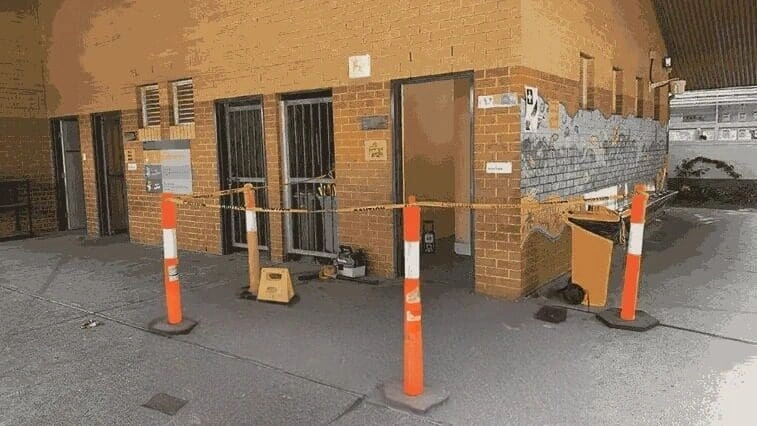
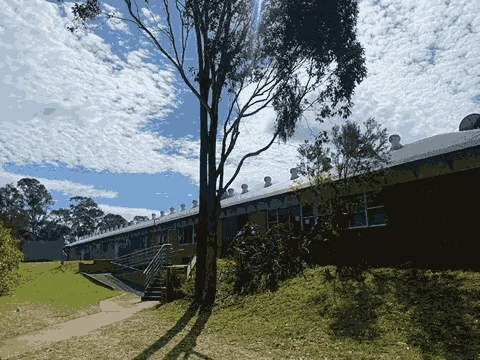
SCE’s reactive-maintenance programme covered seven Western Sydney schools. Work orders distinguished completed repairs from items needing a quotation, materials, further access or specialist input. That recorded experience demonstrates the follow-up discipline needed when managing multiple building tasks. The photographs show the reactive programme; the project is not presented as a recurring maintenance contract.
Plan the next step
A defined enquiry helps separate routine activities from repairs, emergency work and specialist responsibilities. Include the available evidence and identify the authorised stakeholder who can confirm access, priorities and scope decisions.
Routine maintenance questions
A routine programme may include defined planned, recurring or condition-led activities for agreed building elements. Suitability is confirmed only after the asset condition, maintenance history, access, frequency, dependencies and required technical inputs are reviewed.
Routine maintenance is delivered through an agreed recurring or planned programme. A minor repair addresses a defined localised defect or damaged area. The observed condition and intended scope determine the correct pathway.
It may be suitable where safe access, work-area separation, communication and operational controls can be established. The property use, occupants, proposed activities and stakeholder requirements must be reviewed before the method or programme is confirmed.
Provide the site address, asset or defect list, photographs, maintenance history, available reports or drawings, access requirements, operational constraints, preferred timing and the authorised project contact. Do not enter an unsafe or restricted area to obtain information.
They depend on verified condition information, building use, available maintenance records, manufacturer information, relevant professional advice and the agreed operational and project requirements. Priorities and frequencies should not be assumed before those inputs are reviewed.
Specialist inspections, engineering advice, regulated designs, declarations and certification remain with the appropriately appointed consultants, registered practitioners and certifiers where required. SCE undertakes construction and project coordination within its accepted written scope.
An urgent incident or observed risk should follow the emergency-remedial pathway so suitable assessment and immediate controls can be considered. Do not enter or disturb an area that may be unsafe.
SCE reviews suitable opportunities across Sydney and suitable NSW locations. Acceptance depends on the verified scope, location, access, evidence, safety requirements, programme, approvals and commercial fit.
Send the site address, asset or defect list, photographs, maintenance history, available reports or drawings, access constraints, preferred timing and authorised stakeholder details so our team can develop the maintenance scope, priorities and programme.