Internal and amenity repairs
- Toilet partitions and plasterboard repairs
- Doors, locks and aluminium panels
- Laminated-glass requirements

School maintenance programme · Western Sydney
SCE delivered reactive maintenance and managed follow-up work orders across seven Western Sydney school sites, bringing together site inspections, repair planning and trade work for toilets, walls, doors, glazing and roofs.
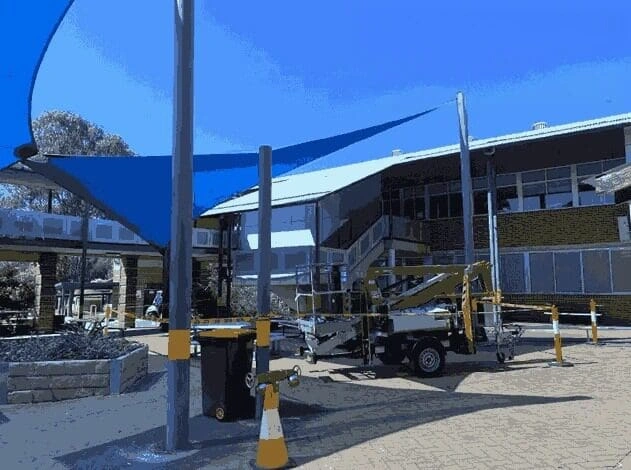
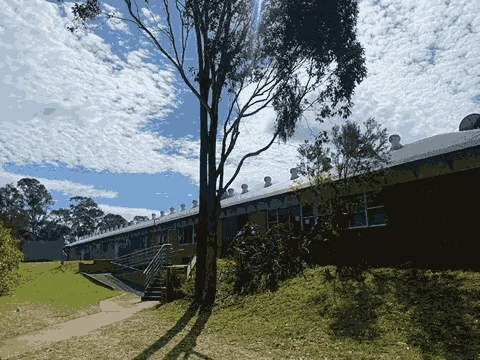
The programme supported Parklea Public School, Hambledon Public School, Doonside Public School, Riverstone High School, Wyndham College, Quakers Hill High School and Kings Langley Public School.
Work orders covered varied building-maintenance needs rather than a single construction scope. SCE recorded what was completed, what required a quotation or return visit, and what needed escalation because of access, approval, lead time or specialist input.
This project sits within SCE's government, education and childcare portfolio and supports the broader SCE Projects portfolio.
SCE tracked each work order through inspection, repair, quotation or follow-up, keeping the schools informed of completed tasks and requirements for further attendance.
The programme combined building repairs, amenity works, glazing and roof requirements, with access planning and remedial assessment where needed.
Planning accounted for site access, school occupancy, task sequencing and work-area controls. Higher-access activities required suitable equipment and a task-specific safe approach before work proceeded.
Where the initial request could not be completed within the available access, approval or resources, SCE documented the requirement and moved it into the appropriate quotation, return-work or escalation pathway.
The programme aligns with SCE's Building Maintenance, Building Major Repairs and Emergency Remedial Building Works services.
Regional delivery is supported through SCE's Parramatta and Greater West service-area information, while the SCE System explains the company's controlled project approach.
The first two photographs show the Western Sydney maintenance programme. The third illustrates related SCE school-maintenance work and is labelled accordingly.
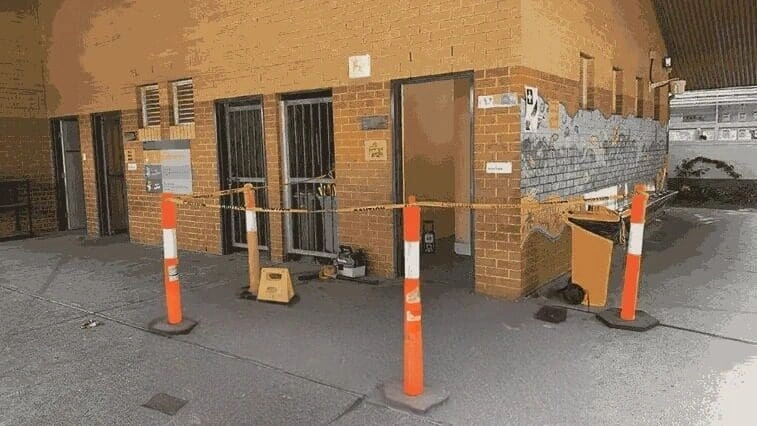
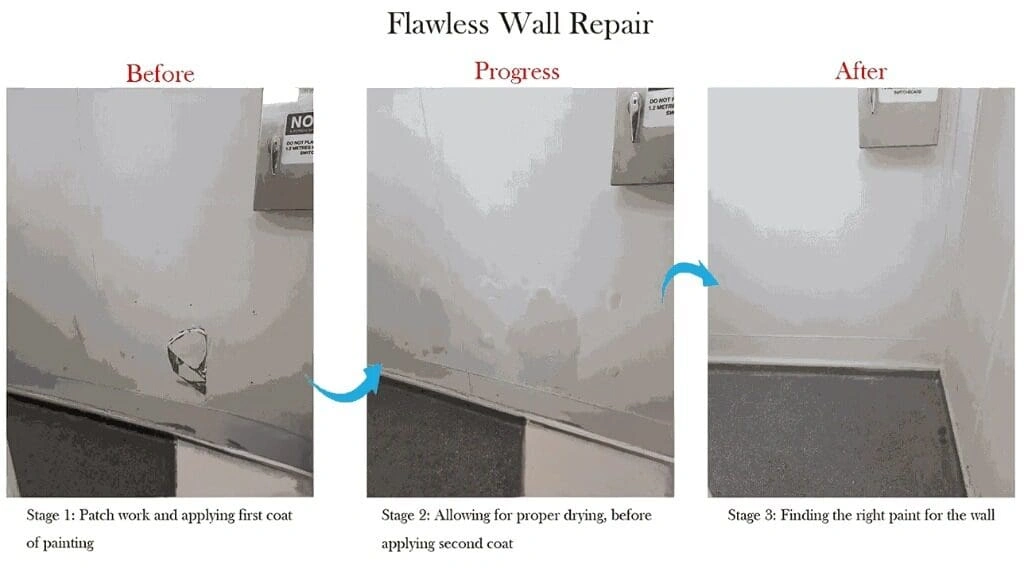
Representative related SCE school project: structural remedial work at Currambena Preschool and Primary School in Lane Cove. This video is not footage from the Western Sydney reactive-maintenance programme.
For more context, view the Lane Cove structural repair project or the Northern Sydney School Repairs Programme.
The work orders covered toilet partitions and plasterboard, wall and concrete patching, doors and locks, aluminium panels, laminated glass, roof sheets, vents and downpipes. SCE also completed inspections and quotations and planned further work where access, approvals or specialist inputs were required.
SCE planned work areas around access and school occupancy, using task-specific controls, communication and isolation where required. Higher-access activities were organised with the appropriate equipment, work methods and personnel.
SCE recorded the completed tasks and the work needing a quotation, approval, material lead time or further attendance, then coordinated the next stage with the school.
SCE assessed access, equipment and sequencing before proceeding. Where additional arrangements were needed, those requirements were documented and incorporated into the follow-up work plan.
Provide the site, asset type, issue, photographs, operating hours and required response time so SCE can assess and plan the maintenance or remedial work.
Explore related school projects and SCE’s maintenance and remedial services.
Provide the school location, affected asset, known issue and required timing so SCE can plan the maintenance work.