1. Control the affected area
For an urgent condition, the first task is to establish safe access, isolate the affected zone where required and record the visible condition before further work begins.

Verified SCE work in Freshwater NSW
SCE Corp delivers commercial make-safe and roof repairs in Freshwater, backed by completed local work. We coordinate immediate controls, investigation and permanent repairs around the roof, adjoining building elements and the people using the property.
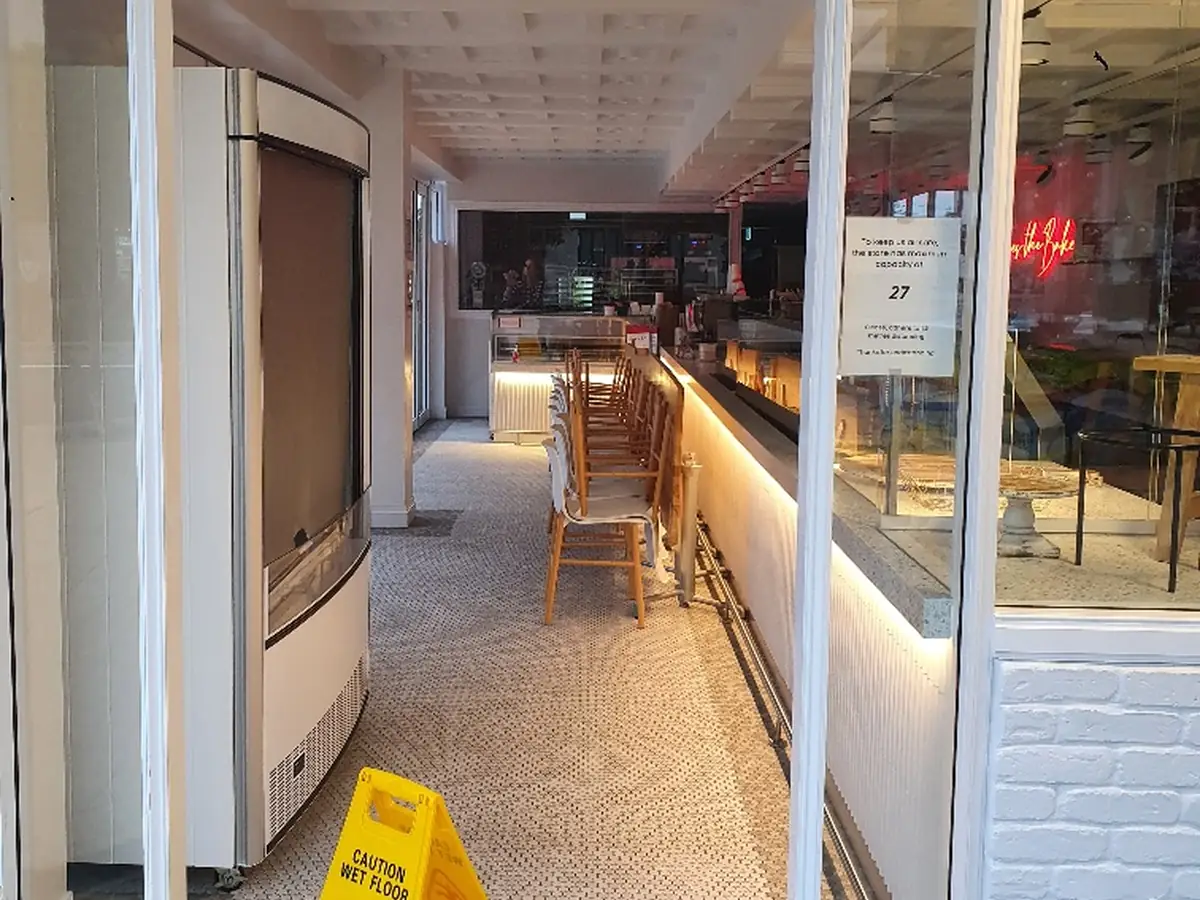
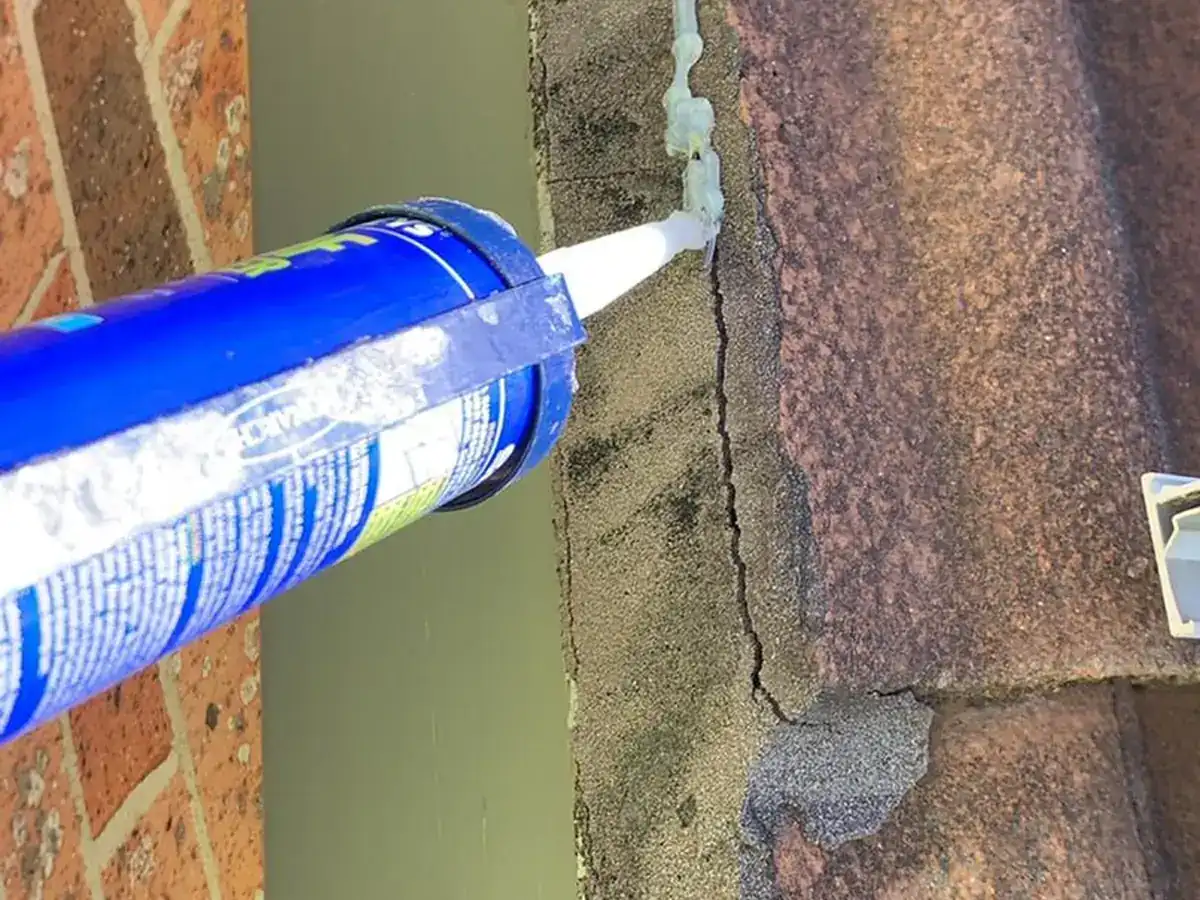
The photographs below are genuine SCE evidence from Freshwater. Together they show two different repair contexts: controlling an affected commercial area and carrying out a defined roof repair.
Make-safe work and permanent repair are related but different stages. The first limits immediate exposure; the second follows an inspection and an agreed scope.
Where the longer-term roof pathway is unresolved, review the roof repair versus replacement guide.
For an urgent condition, the first task is to establish safe access, isolate the affected zone where required and record the visible condition before further work begins.
Photographs, site observations and available reports help distinguish the immediate response from the permanent building or roof repair that must be priced and coordinated.
The agreed work is sequenced around the property, completed to the defined scope and checked before the repaired or previously isolated area is returned to use.
A make-safe response is intended to control the immediate condition. It should not assume the cause or turn an interim measure into an undocumented permanent repair.
For commercial or occupied premises, SCE coordinates work zones, access and repairs with the building’s operating requirements. The temporary condition needs its own clear record: what has been secured, which areas remain restricted and what inspection or further work is still required.
Visible moisture does not by itself prove where water is entering. A useful roof-repair enquiry records when the issue appears, which internal and external areas are affected and whether previous work has been attempted.
The Freshwater photograph shows work at a roof-and-wall junction, where adjoining elements need to be considered together. For a new repair, inspect the relevant flashings, fixings, drainage and surrounding fabric, then define preparation, replacement or repair details and the required checks. The local photograph demonstrates delivered work; the repair method for another property follows its own condition.
Roof access, temporary weather protection, material availability and the extent of deterioration can affect the programme and price as much as the visible repair area. Agree any opening-up investigation and uncertain quantities before the permanent works, and coordinate reinstatement with the inspection or testing required by the scope.
A concise evidence pack helps SCE distinguish an immediate response from the investigation and permanent repair stages.
Provide the Freshwater address, affected rooms or external areas, operating hours and any access or isolation constraints.
Include current photographs, when the issue occurs, the known history and any previous repair information without assuming a cause.
Share relevant reports, drawings, specifications, insurer or strata information and the outcome the project needs to achieve.
SCE Corp has completed commercial make-safe and roof repair work in Freshwater. Genuine photographs of both work streams are shown on this page.
Commercial make-safe work controls an immediate condition, manages access to the affected area and records what is found so the permanent repair can be defined separately.
Not necessarily. An urgent make-safe measure may be temporary. Inspection and supporting evidence are used to define, price and coordinate the permanent repair scope.
Record when and where moisture appears, inspect the relevant roof and building interfaces, review previous work and define the repair from the observed condition rather than an assumed cause.
SCE identifies the work zone, access and temporary protection needed, then sequences repairs around occupied areas and business operations. Where a zone must remain closed, the handover records the checks needed before reopening and any restrictions or further work that remain.
Provide the Freshwater address, affected areas, current photographs, timing and access constraints, known history and any available reports, drawings or scope documents.
Share the address, affected area, operating requirements and available reports. SCE will coordinate the investigation and repair scope, distinguishing any immediate controls from the permanent work.