Define responsibilities
Record who controls the workplace, who designs or verifies technical requirements, who performs each work package, who supervises it and how different businesses will consult, cooperate and coordinate.

NSW construction safety planning guide
Construction safety is an active, site-specific process: define the work, identify hazards, select effective controls, coordinate everyone involved, verify implementation and respond when conditions change.
This guide explains practical planning questions for owners, contractors and project teams. It is general information, not a substitute for the current WHS legislation, SafeWork NSW guidance or competent advice for a particular site.
A safe site cannot be created by a generic document or personal protective equipment alone. The project team needs a reliable description of the work, site conditions, access, interfaces, design information, existing services, plant movements, neighbouring activities and people who may be affected.
Record who controls the workplace, who designs or verifies technical requirements, who performs each work package, who supervises it and how different businesses will consult, cooperate and coordinate.
Confirm access and egress, occupied areas, public interfaces, overhead and underground services, ground conditions, hazardous materials, temporary support, deliveries and emergency access.
Set the order of work, exclusion zones, permits, isolations, inspections, hold points, temporary controls and conditions that require work to stop and be reassessed.
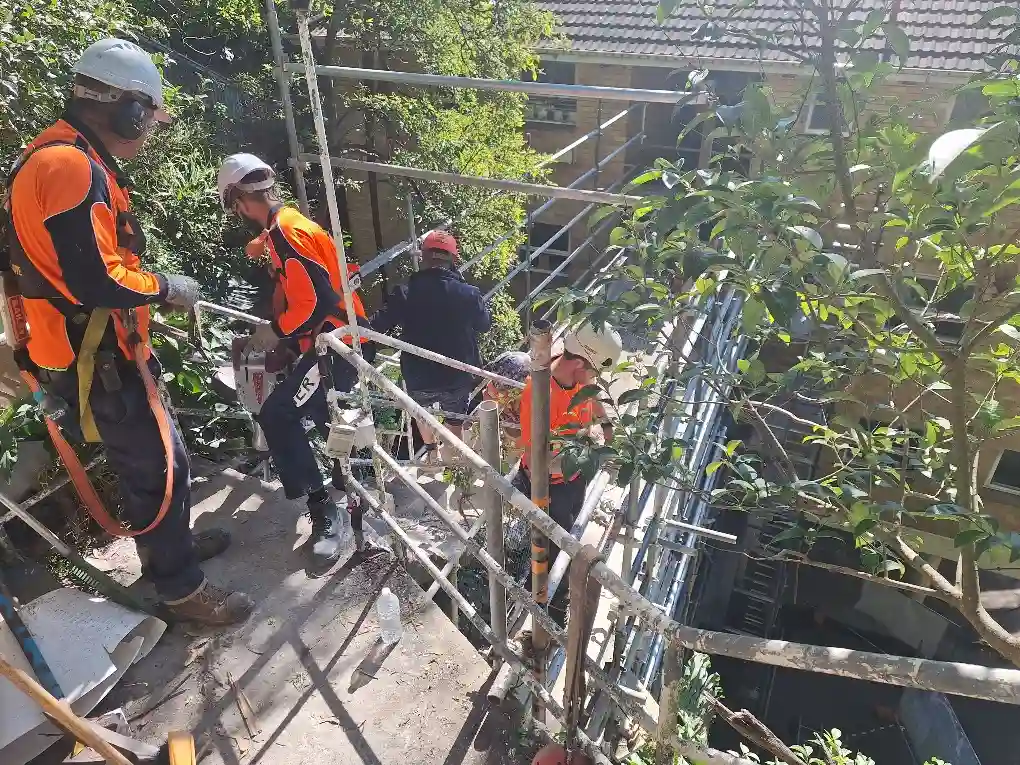
Work health and safety duties depend on the actual role and level of control held by each person or business. A client, designer, principal contractor, contractor, subcontractor, supplier and worker may have different but overlapping duties. Those duties cannot be replaced by a contract label or transferred simply by giving the task to someone else.
For a construction project, the applicable principal-contractor and WHS management-plan requirements should be confirmed before mobilisation. Where several businesses share a site, their planned controls must work together rather than conflict. Site induction, pre-start communication, supervision and change management should reflect the work actually occurring.
SafeWork NSW states that a Safe Work Method Statement (SWMS) must be prepared before high-risk construction work starts. The SWMS needs to identify the high-risk work, hazards and risks, describe the control measures, and explain how those measures will be implemented, monitored and reviewed.
A generic SWMS is not sufficient merely because it exists. It must account for the actual site and be understood by the people using it. Check that workers can access the current version at the workfront, including where phone reception or device access is unreliable. Paper and electronic records are useful only when the people doing the work can use them. If the work is not being carried out in accordance with the SWMS, the work must stop immediately or as soon as it is safe to do so and must not resume until it can proceed in accordance with the SWMS.
| Interface | Planning questions | Verification examples |
|---|---|---|
| Falls and access | How will people reach the work area? Can work at height be eliminated or completed from a protected platform? | Access design, edge protection, scaffold handover, anchor information, inspection records and rescue arrangements. |
| Plant and pedestrians | Where will plant travel, slew, reverse, load and unload? Who can enter the zone? | Traffic plan, barriers, spotter arrangements, communication method, lighting and pre-start checks. |
| Excavation and services | What is underground, overhead or adjacent? How are collapse, water, access and spoil managed? | Service records and locating, permits, shoring or batter design, inspections, exclusion zones and dewatering controls. |
| Demolition and temporary stability | What supports the structure at each stage? What must remain, be isolated or be protected? | Issued methodology, competent design input, temporary works, hold points, exclusion zones and staged verification. |
| Occupied or public areas | How are workers, occupants, neighbours and passers-by separated from noise, dust, falling objects, traffic and restricted areas? | Hoarding, barricades, controlled routes, notices, work-hour controls, monitoring and communication records. |
SafeWork NSW describes an emergency plan as a written set of instructions for what workers and others should do in an emergency. The plan should reflect the work, hazards, site size and location, and the number and needs of people present.
Applicable procedures include an effective emergency response, evacuation, early notification of emergency services, medical treatment and assistance, and effective communication. Plans should be accessible, tested and reviewed, with workers and relevant visitors given suitable information, training and instruction.
Construction sites may also need rescue arrangements for work at height or confined spaces, reliable accounting for people on site, access for emergency services, shutdown procedures and coordination with occupants or neighbouring businesses.
For workforce onboarding, see the SCE induction process. For related practical guidance, review workplace safety practices and SCE’s civil infrastructure project experience.
SCE Corp maintains certified ISO 45001, ISO 9001 and ISO 14001 management systems and is NSW DBP registered. These credentials support structured management processes; they do not remove project-specific WHS duties, replace competent design or guarantee that risk is eliminated.
For an actual project, SCE’s delivery approach is developed around the agreed scope, site conditions, project roles, issued information and applicable controls. Evidence of implementation—not broad promises—is what makes a safety plan useful.
It is the project-specific process of defining work, identifying hazards, assessing risk, selecting and implementing controls, coordinating duty holders, monitoring the work and reviewing controls when conditions change.
A SWMS must be prepared before high-risk construction work starts. It must address the actual high-risk work, hazards, risks, controls and how those controls will be implemented, monitored and reviewed.
The business carrying out high-risk construction work must ensure a SWMS is prepared. Where more than one business is involved, consultation, cooperation and coordination are required, including alignment with the principal contractor where applicable.
No. PPE can be part of a control system, but the team should first consider whether a hazard can be eliminated and then use the most effective reasonably practicable controls for the work and site.
It should cover effective response, evacuation, early contact with emergency services, medical assistance and communication, together with suitable testing, accessibility, training and review for the particular workplace.
Ask how responsibilities, high-risk work, access, services, temporary stability, plant movement, occupied areas, SWMS, emergency arrangements, supervision, inspections and changes will be managed for the actual project.
Reviewed against current SafeWork NSW guidance in August 2026. Requirements can change; confirm the current law and project-specific duties before relying on this guide.
Provide the site address, intended work, available drawings, known hazards, access constraints and programme requirements so the appropriate planning and delivery pathway can be discussed.