
A planning guide for investment property owners in Sydney and the Hunter Region.
By Sydney Contracting Engineers (SCE Corp) · Updated 2 October 2026
An investment property renovation can improve how a home functions, address building defects and strengthen its appeal to tenants and future buyers. With Australia’s capital gains tax changes scheduled from 1 July 2027, owners also have a reason to review their improvement plans and property records now.
For owners in Sydney, Cessnock and the wider Hunter Region, the opportunity is to identify worthwhile work, establish a realistic approval and construction programme, and document the property properly.
What changes on 1 July 2027?
The Government’s reform framework introduces inflation-based cost-base indexation and a minimum 30% tax on affected real capital gains arising from 1 July 2027. Earlier gains retain their applicable previous treatment, and the transition does not itself mean an immediate tax bill for an owner continuing to hold the property. Read the official tax explainer.
For affected assets, the transition separates gains before and after that date using a transition value. Treasury’s explanatory material describes market value at the end of 30 June 2027 and an alternative apportioning method. A higher valuation does not erase earlier taxable gains or automatically produce a tax saving. Your accountant should assess the applicable method and your circumstances. Treasury’s transition explanation.
Choose improvements for their practical value
Start with the property’s condition and intended use. Depending on the building and local demand, worthwhile options to investigate may include:
- Repairing water ingress, drainage problems or structural defects before undertaking cosmetic work.
- Improving kitchen, bathroom, storage and living-space layouts.
- Assessing a residential extension where site conditions, approvals and the local market support the additional space.
- Assessing a secondary dwelling or granny flat for a suitable site, using a construction-feasibility and cash-flow assessment.
Compare the complete project cost with independent rental and valuation advice. Include design, approvals, services, construction, finance, lost rent and contingency. An expensive renovation does not necessarily add an equivalent amount to market value.
Check the approval pathway and granny-flat treatment
A development application (DA) or complying development certificate (CDC) depends on the site and proposed works. NSW secondary dwellings can follow a consent or complying-development pathway where the relevant requirements are met. A CDC is not available for every property. NSW secondary-dwelling guidance.
Planning approval and tax eligibility are separate questions. Treasury’s August 2026 exposure draft says a granny flat without a separate transferable title generally follows the main dwelling’s negative-gearing treatment. Building one does not automatically secure the new-dwelling concession. This is draft detail requiring confirmation against the final applicable rules. Treasury’s draft new-dwelling explanation.
SCE’s DA and CDC approval coordination service can bring the design, site constraints, authority requirements and construction sequence into one workable project plan.
Use SCE’s Renovation and Extension Approval Pathway Tool to organise initial questions, then confirm the pathway for your actual property and scope.
Prepare a defensible valuation and records
Ask your accountant whether a valuation is appropriate and instruct an independent qualified valuer for the relevant transition date. The Australian Property Institute recommends retaining professional valuation evidence close to the transition. An online estimate or a valuation of today’s property is not automatically evidence of its value on 1 July 2027. API valuation guidance.
Keep dated photographs, approved plans, contracts, itemised invoices, completion records and details of unfinished work. Tell the valuer what was actually completed at the valuation date; an approved extension must not be presented as an already completed extension.
Give the same records to your accountant. Repairs, improvements and depreciating assets can receive different tax treatment, and capital-works deductions can affect the CGT cost base. ATO rental-property guidance.
Related SCE experience: coordinating a home renovation
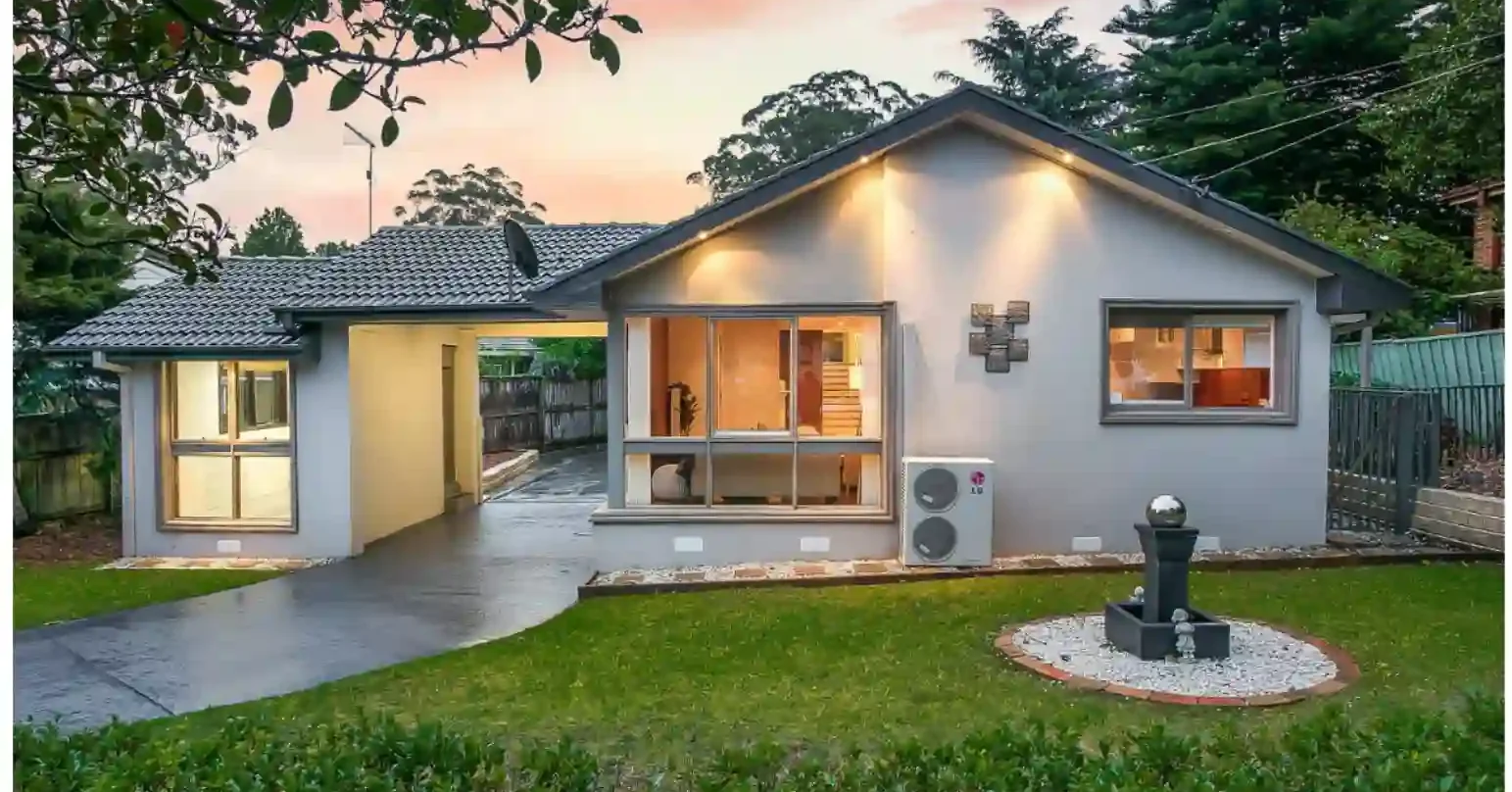
See SCE’s Castle Hill renovation project for an example of coordinating building improvements. Every investment property needs its own scope, condition assessment and delivery programme.
Start with a realistic delivery programme
Work backwards from your objective: investigation, design, approvals, procurement, construction and required certification. Allow time for authority conditions, concealed defects and material lead times. A calendar deadline should not override the quality or feasibility of the work.
SCE can lead the construction and project-management package, including design and approval coordination through appropriately appointed professionals. Your tax adviser and independent valuer assess the financial and valuation consequences.
Share your property address, proposed improvements, available plans and timing with SCE. Request a Project Suitability Review.
Frequently asked questions
Should I renovate an investment property before July 2027?
Assess whether the work makes sense for the property, budget and delivery programme. Obtain independent valuation and tax advice before treating the transition date as a reason to commit. No renovation guarantees an equivalent value increase or a tax saving.
Does approval for a granny flat guarantee the new-build tax treatment?
No. Planning approval and tax eligibility are separate. Treasury’s August 2026 draft describes ownership and other conditions, including the treatment of a granny flat without a separate transferable title. Confirm the final applicable rules with your tax adviser.
What records should I keep for a property valuation?
Keep dated photographs, approved plans, contracts, itemised invoices and completion records. Identify unfinished work and ask an independent qualified valuer to assess the property at the relevant date. Give the records to your accountant as well.
Can SCE manage the renovation and approval process?
SCE can lead construction and project management, including design and approval coordination through appropriately appointed professionals. Send the property address, intended improvements, available plans and timing for a Project Suitability Review.