
A guide for strata committees, owners corporations and building managers
By Sydney Contracting Engineers (SCE Corp)
Finding suspected magnesite beneath an apartment floor should prompt an investigation before replacement flooring is ordered. The practical questions are what the material contains, whether moisture has affected the concrete below, and what must be resolved before the floor is closed up again.
For a NSW owners corporation, a useful scope separates material assessment, any specialist removal, concrete investigation and repair, and the new floor system. SCE’s concrete remedial services provide the construction pathway where the investigation identifies a concrete repair requirement.
What is magnesite flooring?
Magnesite flooring is a magnesium oxychloride-based topping, formed using magnesium compounds and fillers. It may be encountered beneath later floor coverings. Appearance alone is not a reliable identification method: other toppings can look similar.
The Concrete Society’s technical guidance on magnesite flooring explains its sensitivity to damp conditions and the potential for chlorides to reach the supporting concrete. Identifying the topping and assessing the slab are therefore connected tasks.
How can magnesite affect the concrete underneath?
When moisture is present, chlorides associated with the topping can migrate into concrete and contribute to corrosion of embedded steel. Deterioration can involve cracking, delamination or spalling. Finding magnesite does not, by itself, establish the extent of damage or mean that the slab needs replacement.
Ask the investigating engineer to distinguish the topping’s condition from the slab’s condition and explain the evidence for the proposed repair. A floor-covering quotation cannot answer that structural question.
What should owners do when magnesite is suspected?
Notify the strata or building manager before work disturbs the material. Gather existing renovation records, leak reports, photographs and any earlier testing. Record where the material was observed and whether similar flooring may remain in other lots or common areas.
Do not identify or test suspect flooring by sanding, grinding, burning or taking a DIY sample. Some historical magnesite formulations and adjoining flooring materials may contain asbestos. NSW guidance states that appearance cannot establish whether asbestos is present. Arrange assessment and testing through appropriate asbestos professionals; see Asbestos NSW’s identification guidance. If suspect material is discovered during renovation, stop work that could disturb it and seek professional advice.
Report active leaks, loose concrete, exposed corroded steel or significant movement promptly. The building’s appointed professionals should assess whether access restrictions or temporary measures are needed.
What should a magnesite and concrete investigation cover?
Agree the questions the investigation must answer before commissioning removal or requesting a fixed repair price. Ask for a report that addresses:
- Material identification: what was assessed, where samples were taken by the appointed specialist, the results and any areas that remain untested.
- Moisture history: known leaks, wet areas, plumbing incidents and the condition of relevant building interfaces.
- Concrete condition: the observed defects, areas inspected, testing selected by the engineer, limitations and any further investigation required.
- Repair boundaries: which areas need intervention, what supports that decision and which assumptions must be checked after controlled opening-up.
- Reinstatement requirements: the condition needed before the replacement floor system can be installed, including moisture, preparation and compatibility requirements.
An accessible area in one apartment may not represent every location. Ask how the inspection coverage was selected and whether additional lots or the underside of a slab need access. Keep locations and findings identifiable on plans so the contractor can price the assessed work.
Magnesite removal and concrete repair need separate scopes
A removal scope should identify the assessed material, specialist controls, work area, waste arrangements and the condition in which the surface will be handed over. The concrete repair scope should follow the engineer’s findings and specify the repair requirements, inspection stages and treatment of any newly exposed defects.
Before the works begin, agree who will inspect the exposed slab, who may authorise additional work and what records are required before concealment. Where the accepted design requires structural support or a particular construction sequence, those requirements belong in the programme and price.
Do not book the final flooring installation against removal completion alone. Allow for any investigation, repair, curing and verification required by the selected systems. The handover between the removal contractor, remedial contractor and flooring installer should be explicit.
Who is responsible in a NSW strata building?
The floor finish, topping and structural slab may raise different ownership and maintenance questions. Have the strata manager review the strata plan, by-laws and relevant renovation approvals before allocating responsibility or instructing work. A problem inside an apartment is not automatically a lot owner’s responsibility.
NSW Government’s strata repairs guidance explains how to check common property and repair responsibilities. Obtain project-specific advice where the records or liability are disputed.
For remedial work affecting a class 2 building, ask the appointed practitioners to confirm whether the proposed scope requires regulated designs, declarations and lodgement under the DBP framework, including any applicable exclusions. The official NSW remedial building work guidance sets out that process. Strata approval and practitioner obligations should both be addressed before the relevant work starts.
How should the committee compare repair proposals?
Request separate allowances for investigation, specialist material removal, concrete repairs, access and protection, testing, moisture-source rectification and floor reinstatement. Require each tenderer to explain the measured quantities, unresolved areas, exclusions and process for pricing discoveries.
A removal rate per square metre is not a complete concrete remediation budget. Use the existing NSW strata concrete repair cost guide to assess the wider budget rather than relying on a generic online price.
For occupied buildings, confirm resident access, belongings and furniture arrangements, protection of shared routes, work hours and the sequence for returning rooms to use. SCE’s occupied-strata concrete repair planning guide develops those delivery questions.
Related SCE experience: coordinating structural repairs
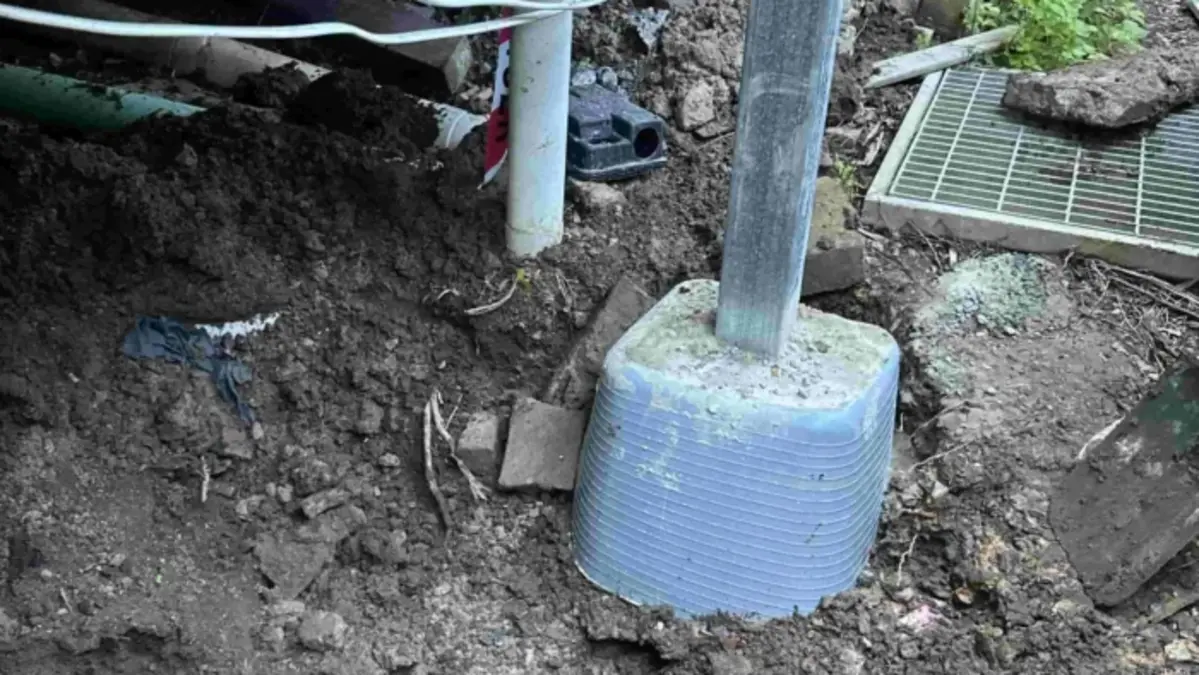
At a private school in Lane Cove, SCE coordinated structural-engineer input, temporary support, controlled excavation, a permanent footing and steelwork, sewer-line replacement and reinstatement. The work was completed during the December 2025 school holidays.
That project demonstrates experience bringing investigation, structural work, services and access constraints into one construction sequence. For a magnesite-related enquiry, SCE can review the available reports and proposed concrete remedial scope, with the required assessment, design and specialist roles identified for the project.
Prepare a brief before seeking a proposal
Provide the property address, number of affected lots, available floor plans, photographs, material or engineering reports, leak history and proposed renovation dates. State which areas are occupied, the available access and whether the enquiry concerns initial investigation planning or construction against an issued repair specification. The Remedial Planning Tool can help organise the wider project brief.
Frequently asked questions
Does every magnesite floor mean the concrete is damaged?
No. The presence of the topping does not establish the slab condition or repair extent. The assessment should identify the material, investigate relevant moisture history and evaluate the underlying concrete.
Does magnesite flooring always contain asbestos?
No blanket assumption is reliable. Some historical formulations or adjoining floor materials may contain asbestos. Arrange professional assessment and testing before disturbing suspect material.
Can new flooring be installed over suspected magnesite?
Do not treat a new covering as a substitute for assessment. Obtain advice on the existing material, slab condition and moisture, and confirm the replacement system requirements before proceeding.
Does removing magnesite also fix the concrete?
Removal and concrete repair are separate scopes. The exposed slab may need further assessment or specified repairs before the new floor is installed. Agree the inspection and handover stages in advance.
What should an owners corporation send to SCE?
Send the property address, affected lots or areas, photographs, existing material and engineering reports, leak history, access constraints and intended programme. Identify whether a repair design is available or further investigation is needed.