Coastal and Atmospheric Exposure
Salt, airborne contaminants, moisture and pollution can accelerate corrosion and coating deterioration, particularly around exposed edges, fixings and dissimilar metals.

Sydney Contracting Engineers (SCE Corp) plans and delivers cladding inspection, maintenance and repair programmes for strata, commercial and property clients across Sydney and NSW. The objective is to identify deterioration early, preserve façade performance and establish practical inspection, cleaning, repair and escalation pathways.
Cladding performance depends on more than the visible panel. Materials, coatings, fixings, joints, sealants, membranes, flashings, cavities, interfaces, exposure and workmanship all influence how the façade performs over time.
Maintenance requirements should be based on the installed system, manufacturer information, project documents, building exposure and observed condition. SCE brings construction and engineering expertise to the maintenance scope, with specialist input and practitioner appointments matched to the design, fire, structural and certification requirements of the work.
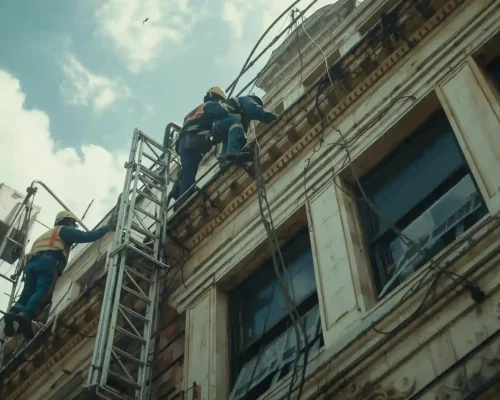
Managing Director Frank MANESH brings experience in building-defect assessment, façade refurbishment and remedial solutions. That background helps SCE consider a deteriorated joint or panel alongside adjoining supports, weatherproofing, openings and the building’s repair history.
Operations Director Farshid MANESH brings maintenance and construction-programming experience to access, trade sequencing and staged repairs. Owners receive a practical basis for deciding which work can be maintained locally and which requires a wider investigation or replacement brief.
Salt, airborne contaminants, moisture and pollution can accelerate corrosion and coating deterioration, particularly around exposed edges, fixings and dissimilar metals.
Ultraviolet exposure and thermal movement can affect coatings, sealants, joints and interfaces. Elevation and orientation may produce different conditions across one building.
Flashings, membranes, drainage paths, cavities, penetrations and window interfaces must work together. Blocked drainage or failed detailing may contribute to concealed deterioration.
Fixing type, spacing, substrate condition, corrosion protection and material compatibility can affect stability, movement and long-term serviceability.
Sealants have finite service lives. Joint design, preparation, adhesion, movement and exposure influence when local repair or replacement may be required.
Unsuitable chemicals, abrasive cleaning or incompatible patch repairs can damage finishes or conceal defects. Maintenance methods should suit the installed material and system.
Gather available drawings, specifications, product information, warranties, previous reports, repair records and façade-access information.
Record visible staining, coating failure, open joints, damaged panels, loose components, corrosion, sealant deterioration and signs of water entry.
Confirm suitable cleaning methods, test areas, access arrangements, runoff controls and any manufacturer-specific restrictions.
Maintenance works include controlled cleaning, sealant replacement, coating repairs, damaged-component replacement and treatment of accessible corrosion, with the method selected for the installed system and condition.
Link dated photographs to the same elevation and component at each review. Record the observed condition, completed action, unresolved items and next inspection trigger. If leakage, corrosion or movement recurs after a repair, reassess its cause instead of repeatedly treating the visible symptom as routine cleaning or sealing.
Where evidence indicates concealed defects, fire concerns, structural movement or widespread failure, escalate to the appropriate assessment, design or remediation pathway.
We review the site address, system information, reports, photographs, known defects, access requirements and client objectives.
The proposed scope, SCE’s contractual role and any need for façade, fire, engineering, design or certification input are identified.
Elevations, interfaces and representative areas are selected, subject to safe access and the agreed inspection or maintenance scope.
Observed items are separated into routine maintenance, monitored conditions, local repairs and matters requiring further investigation.
SCE completes the maintenance and repair work under the agreed methodology, access controls, quality requirements and project documentation.
Record completed work, remaining defects and follow-up requirements for future inspections and lifecycle planning. Where several activities need the same access equipment, assess them together before booking the work; material availability, inspection requirements and curing times still need to fit the planned attendance.
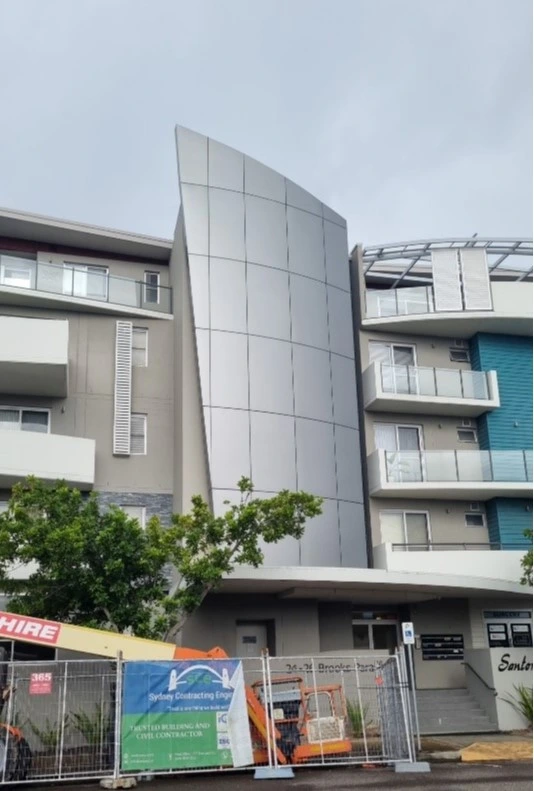
Local maintenance may be unsuitable where deterioration is widespread, interfaces have failed, panels or fixings are unsafe, combustible or unidentified materials are present, or the existing system cannot be supported by adequate evidence.
In those circumstances, the appropriate next step may be a formal cladding assessment, targeted investigation, regulated design, façade remediation or partial or complete replacement.
SCE is NSW DBP registered and operates under ISO 9001, ISO 14001 and ISO 45001 certified management systems. Project responsibilities remain specific to the contract, approved design and appointed practitioner structure.
View the Belmont recladding project or review SCE’s cladding project evidence.
SCE delivers cladding maintenance across Sydney and NSW, with access, occupancy and technical requirements built into the work programme.
Sydney CBD and Inner City Lower North Shore Inner West Eastern Suburbs Northern Beaches Parramatta and Greater WestInspection frequency depends on the material, system, building height, exposure, manufacturer guidance, previous defects and warranty requirements. Higher-risk or exposed façades may require more frequent review.
Possible signs include coating breakdown, staining, corrosion, loose components, damaged panels, open joints, failed sealants, cracking, movement and internal or external evidence of water entry.
Many systems benefit from planned cleaning, but the method and frequency should suit the installed material, coating, exposure and manufacturer requirements. Unsuitable chemicals or abrasive methods may damage the finish.
There is no universal service life. Performance depends on the sealant, joint design, preparation, movement, ultraviolet exposure, moisture and installation quality. Condition should be assessed rather than relying only on age.
Sometimes. Local repairs may be suitable where deterioration is limited and the surrounding system remains serviceable. Widespread defects, unsafe components or systemic failures may require a broader remediation strategy.
Possible causes include moisture entry, trapped contaminants, incompatible metals, damaged protective coatings, unsuitable fixings, poor drainage or persistent condensation. Investigation may be required before treatment is selected.
Often it can, subject to safe access and staging. The methodology may require exclusion zones, scaffold or platform access, maintained entrances, noise controls and communication with occupants or building management.
Warranty conditions vary. Owners should retain product and contract records and follow applicable inspection, cleaning, notification and maintenance requirements. Maintenance does not reinstate an expired or invalid warranty.
Escalation is appropriate where there is a safety concern, active water entry, loose material, recurring failure, significant corrosion, combustible or unidentified materials, structural movement or insufficient evidence about the system.
Provide the site address, building type, photographs, known cladding material, previous reports, warranties, repair history, access constraints and details of any current leakage, damage or safety concern.
Submit the available façade information, photographs, reports, maintenance history and access requirements. Our team will identify the inspection priorities, repair requirements and access arrangements for your building.