
By Sydney Contracting Engineers (SCE Corp) · Information checked 2 October 2026
Investment property renovation costs include more than the builder’s quotation. A useful NSW budget separates the work you are buying from design, approvals, investigations, owner-supplied items and the costs of holding the property while it cannot earn rent.
There is no dependable single price for an unspecified renovation. Repainting a sound dwelling, rebuilding wet areas and changing structural layouts are different projects. Start with a defined scope and a complete cost plan, then decide whether the work suits the property and your available funds.
Start with the outcome and the building’s condition
Write down whether the immediate goal is to repair defects, improve tenant usability, change a layout or prepare for a sale. Separate essential work from optional upgrades. New finishes should not hide unresolved leaks, movement or ageing services.
Ask what can be assessed visually and what needs investigation before pricing. Removing a wall, for example, may affect structure, electrical work, finishes and approvals together. A quotation based only on the visible demolition can leave those linked items unresolved. Our NSW renovation planning guide explains the broader delivery pathway.
Build the budget in six parts
- Investigations and design: site measurements, condition checks, relevant specialist reports and coordinated drawings.
- Approvals and certification: applicable application fees, consultant inputs, inspections and completion documents.
- Construction: labour, materials, demolition, temporary protection, waste removal, access and reinstatement.
- Services and owner purchases: plumbing, drainage, electrical changes, appliances and any separately purchased finishes, including delivery and installation.
- Time-related ownership costs: the vacancy period, finance, insurance, rates and any temporary arrangements.
- Unresolved risks: identified allowances and a separate contingency linked to the information still missing.
Record whether each line includes GST, who pays it, what document supports it and when payment is expected. This avoids comparing one inclusive budget with another that omits design or service upgrades. For investment outgoings and cash-flow risks, see ASIC Moneysmart’s property guidance.
Compare quotations against the same scope
Issue the same drawings, finish schedule and written scope to each tenderer. Then compare inclusions, exclusions, quantities, assumptions and programme. Check whether demolition includes disposal, whether new finishes include substrate preparation, and whether service changes include testing and reinstatement.
Ask for allowances to be clearly identified. An allowance for an unselected product is different from a defined supply-and-install price. Keep a record of what will cause the allowance to change and how the final amount will be assessed.
A lower initial total may reflect a smaller scope or more unresolved items. SCE’s residential renovation service focuses on coordinated construction and a clear delivery scope.
Allow for the property’s difficult details
Restricted access can change delivery and waste-removal arrangements. Occupied areas may require separation and staged shutdowns. Wet-area work may reveal damaged substrates. Older buildings can require specialist investigation before intrusive work. These are questions to resolve for the particular property, not automatic additions to every quote.
A useful risk entry states the unknown, the investigation needed, the person responsible and the point at which it must be resolved. Ask the project team to distinguish an identified allowance from a general contingency so the same risk is not counted twice.
Programme the work before promising a tenancy date
Check design and approval dependencies, product lead times, trade sequencing and inspection stages. Include time for commissioning, defects and cleaning before advertising an unconditional availability date. Coordinate tenancy arrangements through the property manager and obtain advice on the applicable obligations.
If the July 2027 changes are part of your decision, read our renovation and valuation-record planning article. Keep tax treatment with your accountant; a construction expense is not automatically an immediate deduction or an equal increase in market value.
Use project evidence to discuss scope
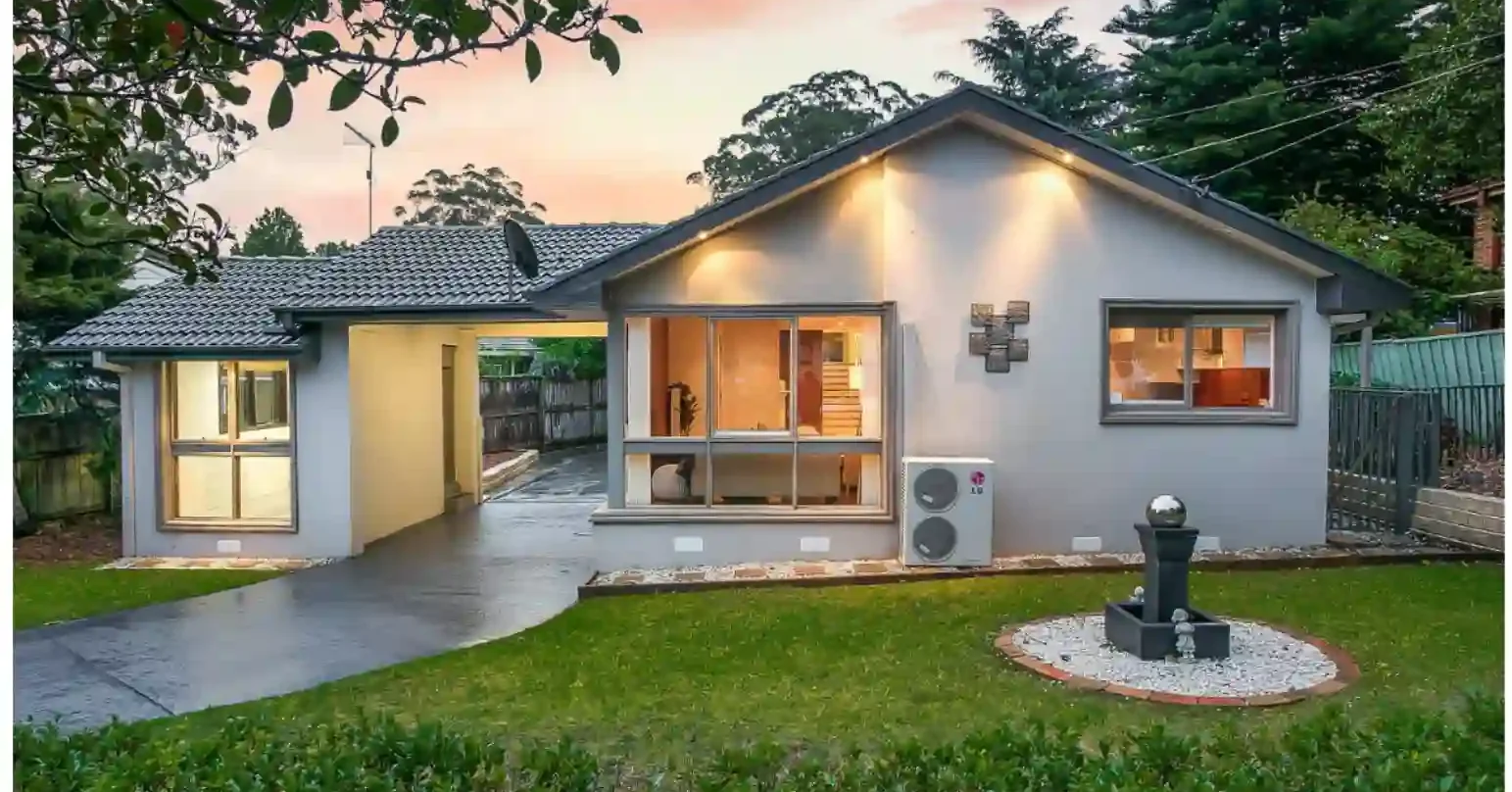
SCE’s Castle Hill renovation project provides a real example of renovation delivery. Use project examples to discuss the type of work and coordination required, rather than treating another property’s photographs as a comparable quotation.
Prepare a brief that can be priced
Bring the property address, current photographs, available plans, desired changes, occupancy constraints, budget range and target timing. A Core Feasibility and Approval Pathway Review can help identify construction and approval questions before a detailed commitment. SCE can lead construction and coordinate appropriately appointed specialists; certification and regulated advice remain with the relevant appointed professionals.
Request a Project Suitability Review to discuss the scope and information needed for the next stage.
Frequently asked questions
How much does an investment property renovation cost in NSW?
The amount depends on the scope, existing condition, access, services, approvals and programme. Seek a site-specific cost plan that separates construction from design, approvals, holding costs and contingency; a generic price per room cannot establish the total.
Should contingency be a fixed percentage?
It should reflect the project’s unresolved risks and level of investigation. Ask the team to explain the basis of the contingency and avoid counting risks already included in specific allowances twice.
Why can renovation quotations differ so much?
Different totals may include different work, products, allowances, access arrangements or exclusions. Compare each quotation against the same drawings and written scope before judging price.
Can renovation spending be assumed to increase the valuation by the same amount?
No. Construction cost and market value are different measures. Obtain independent valuation and tax advice for decisions that depend on resale value or tax treatment.