
By Sydney Contracting Engineers (SCE Corp) · Information checked 2 October 2026
DA-approved land can give a buyer a clearer development starting point, but approval does not mean the project is ready to build. Before committing to a construction start, reconcile the consent, approved plans, remaining conditions, detailed design and the practical cost of delivering the work.
This guide covers the stage between planning consent and construction. For an earlier purchase decision, our Hunter Region property feasibility guide covers the broader site and building questions.
Get the complete approval package
Request the determination, all approved drawings, referenced reports, schedules and any approved modifications. A marketing floor plan or the words “DA approved” do not tell you which design is currently authorised.
Have the relevant adviser confirm the consent’s current status, any expiry or commencement issues, and the documents that apply to the intended purchase and works. Ask your solicitor to assess title, contract and other legal matters. Keep the builder’s review focused on scope, buildability and delivery.
Turn consent conditions into an action list
Create a short register with a condition reference, required deliverable, responsible party, cost allowance, dependency and completion evidence. Separate items needed for construction documentation, before work starts, during work and before occupation. This makes missing inputs visible before they become site delays.
For a DA pathway involving building work, NSW guidance explains that construction certification, a principal certifier and applicable pre-start requirements follow consent. Detailed plans must remain consistent with the approval; design changes may need further assessment. Confirm the exact requirements with the appointed certifier and planning adviser. NSW construction-certificate guidance.
Check whether the drawings are ready to build from
Planning drawings communicate the approved development, but construction needs coordinated information. Depending on the project, the package may need structural details, drainage, civil levels, services, energy requirements, waterproofing interfaces and product specifications.
Check that different disciplines use the same current architectural revision. A retaining wall, service connection or stormwater route can affect more than one drawing set. Allocate responsibility for resolving conflicts and record the agreed detail before ordering dependent work.
SCE’s DA and CDC approval-coordination service supports the coordination process through appropriately appointed professionals. The statutory approval and certification decisions remain with the relevant authorities and certifiers.
Resolve services, access and external works
Ask for evidence of how sewer, stormwater, water and power will connect. Identify authority requirements, easements, off-site work and any neighbour or road-access dependencies. A service visible nearby is not proof that a connection has been designed, approved or included in the price.
Review site levels, construction access, delivery space, excavation, temporary support and the sequence of external works. Where ground conditions or existing services remain uncertain, identify the investigation needed and include an honest allowance rather than treating the uncertainty as resolved.
Make the budget and programme match the same design
Price the current coordinated documents and compare exclusions with the condition register. Include consultant completion, fees, applicable contributions or bonds, services, temporary works, construction and handover. Give each unresolved item a clear owner.
Build the programme from real dependencies: certification, authority inputs, procurement, site establishment and inspection stages. Avoid fixing a start date solely because land settlement is approaching. Ask which outstanding decision currently controls the earliest practical start.
A real pre-construction example in Cessnock
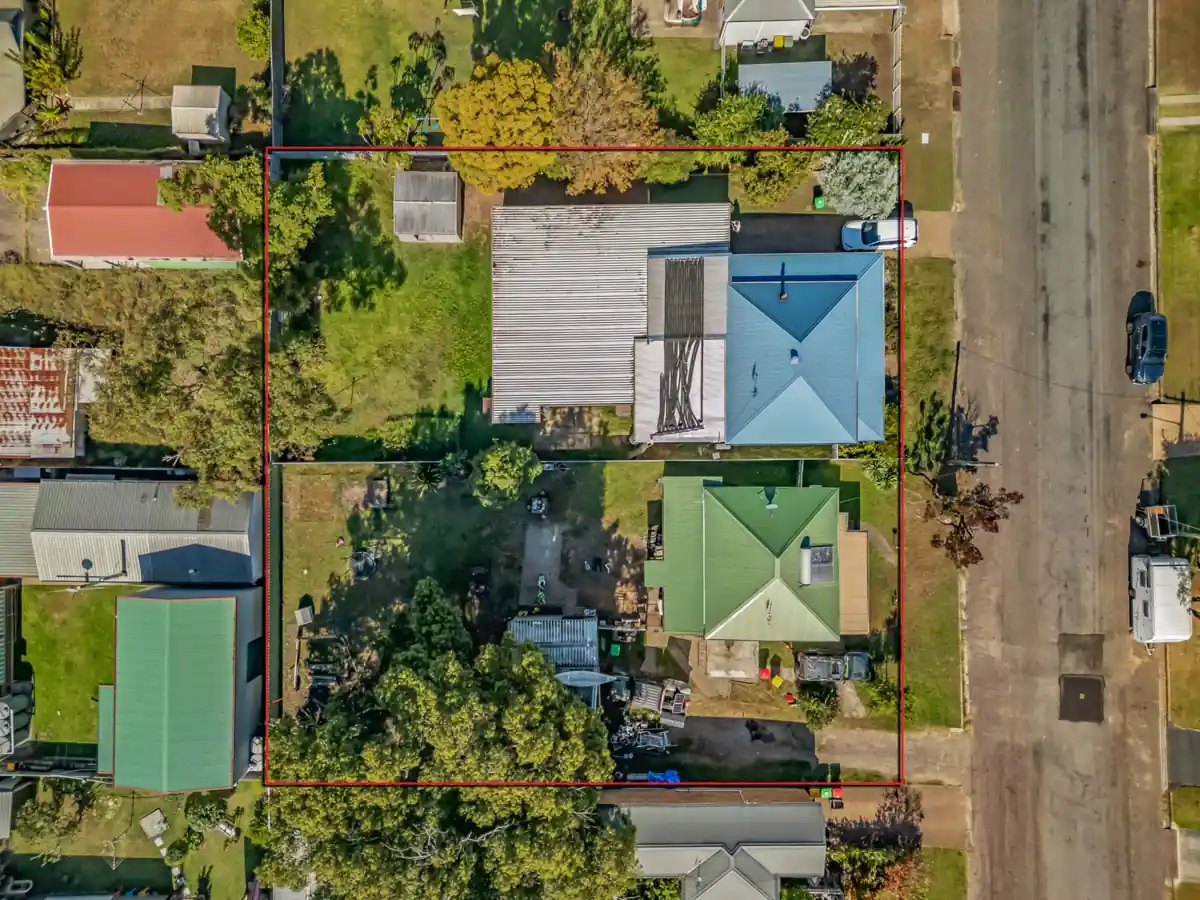
SCE’s approved Harris Street townhouse development comprises eight proposed townhouses and is recorded at pre-construction and consultant-coordination stage. It illustrates why a consent milestone and completed construction are separate stages. Confirm current documentation, programme and availability directly before relying on a proposed transaction.
The Cessnock investment planning article discusses the additional buyer questions. Planning approval does not itself establish financing suitability, investment performance or tax eligibility.
Questions to settle before mobilisation
- Which approved design and modification set will be built?
- Which pre-start conditions are complete, and where is the evidence?
- Are consultant and certifier appointments clear?
- Are services, access and external work in the construction scope?
- Do the contract, drawings, allowances and programme describe the same project?
- Who controls revisions and authorises changes?
For SCE’s construction delivery scope, see residential new builds. Send the consent, drawing register, available reports and proposed timing when you Request a Project Suitability Review.
Frequently asked questions
Can construction start as soon as a DA is approved?
Not simply because consent has been issued. Confirm the construction certification, certifier appointment and all applicable pre-start conditions, notices and approvals for the particular project before work starts.
Is a DA the same as a CDC?
No. They are different approval pathways. A development application seeks planning consent, while complying development combines planning and building approval where all applicable eligibility and development standards are satisfied.
Can a buyer change the approved floor plan?
Have the planning adviser, designer and certifier assess the proposed change before pricing or construction relies on it. A change may require a modification or another approval process; do not assume it is covered by the existing consent.
What should I send SCE for a pre-construction review?
Send the complete consent, approved and modified plans, drawing register, available reports, current scope, known service information and target timing. Identify any documents or conditions that remain unresolved.