Brief and records
Confirm the referral question, relevant documents, stakeholders and intended audience for the assessment.

Scoped evidence for property decisions
SCE Corp delivers building insurance assessments across Sydney and NSW, combining construction expertise with clear site evidence, defined limitations and practical next steps for insurers, strata representatives and property owners.
Define the assessment brief
SCE Corp assesses building damage and defects for insurers, loss adjusters, strata representatives, property managers and owners. We confirm the purpose of the assessment, review available information and record relevant visible site evidence within the agreed scope.
SCE combines building and engineering experience to investigate the damage, identify the evidence needed and develop a practical repair scope. Where the assessment requires specialist testing, engineering design or certification, we include the appropriate disciplines and deliverables in the brief. The insurer or authorised decision-maker retains responsibility for policy coverage, liability and claim acceptance.
Assessment components
The final scope depends on the property, access, available records and the decision the assessment needs to support.
Confirm the referral question, relevant documents, stakeholders and intended audience for the assessment.
Record relevant visible condition, damage indicators, defects and limitations in the areas included in scope.
Organise useful photographs so observations can be located and understood by the intended reader.
Summarise what was observed without overstating cause, responsibility or matters outside the agreed expertise.
Identify inaccessible areas, missing records and issues requiring testing, opening-up or specialist input.
Set out suitable follow-up such as further investigation, make-safe coordination, reporting or repair scoping.
Delivery sequence
The useful outcome is a clear record that connects the referral question, available evidence, site observations and the next decision.
Review the referral, property, known constraints, access and required deliverable before attendance.
Consider photographs, reports, claim information and other relevant records supplied for the matter.
Inspect accessible areas within scope and organise relevant observations and photographic evidence.
Present material observations, limitations, evidence gaps and recommended follow-up for the appointed reader.
A useful assessment distinguishes what the owner or occupier reported, what the assessor observed and what other records establish. Provide dated photographs, earlier maintenance or repair records and details of emergency work already completed. A stain or crack seen at attendance does not, by itself, establish when it developed or which event caused it.
Record the location and stage of each photograph so the intended reader can relate close-up damage to the wider building. If an area has been cleaned, dried, opened up or repaired before attendance, identify that change and supply any earlier record. Do not delay urgent safety action to preserve a photograph; record the work safely through the responsible people.
SCE brings construction knowledge to the assessment brief, distinguishing observed condition from unverified explanations and identifying the investigation needed to resolve material gaps. Any subsequent repair scope should connect to the evidence and agreed instructions; coverage and claim decisions remain with the authorised decision-maker.
Frank MANESH’s insurance-repair experience showed that a room name alone can be ambiguous. SCE uses room sketches, dimensions and photographs to connect the authorised work to an identifiable space or item. The repair team can then match its instructions to the same record used by the person reviewing completion.
Our assessment and reporting programme shows the building, roof, structural, contents and specialist assessment work delivered by SCE. Review our certifications and credentials alongside the expertise required for your assignment.
We also establish who is paying, who can authorise the repair or a change, and who will provide access and receive the completed work. In an insurance matter these may be different people. Recording those roles helps an assessment lead to a clear repair brief rather than a conflicting set of verbal instructions.
SCE insurance repair experience
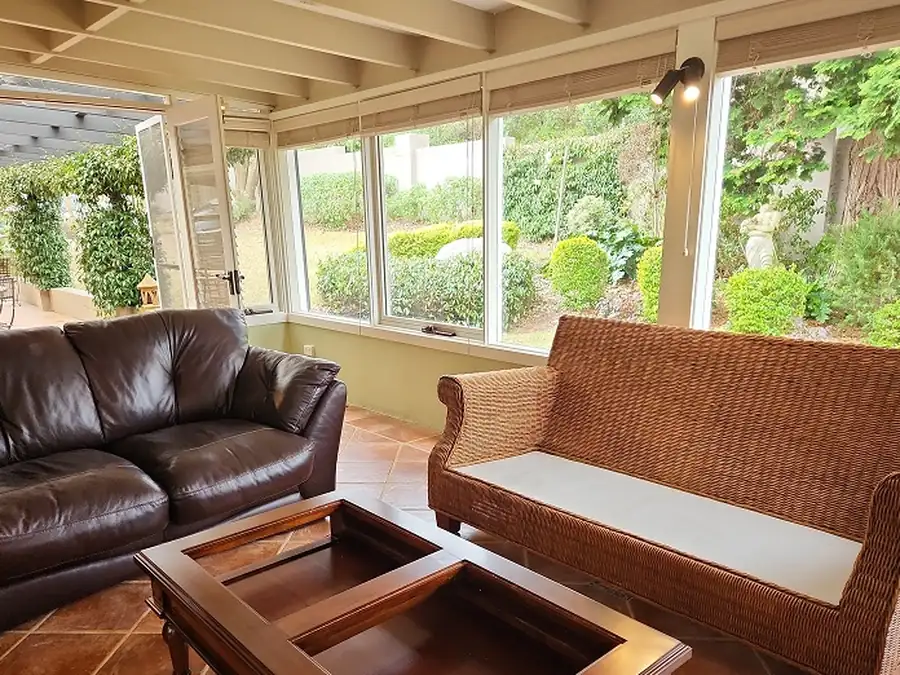
These photographs show SCE’s Bowral insurance repair and restoration work at two stages: the protected window-wall repair area and the completed interior. Recording the area and work stage makes it easier to connect the assessment findings, authorised scope and completed repair.
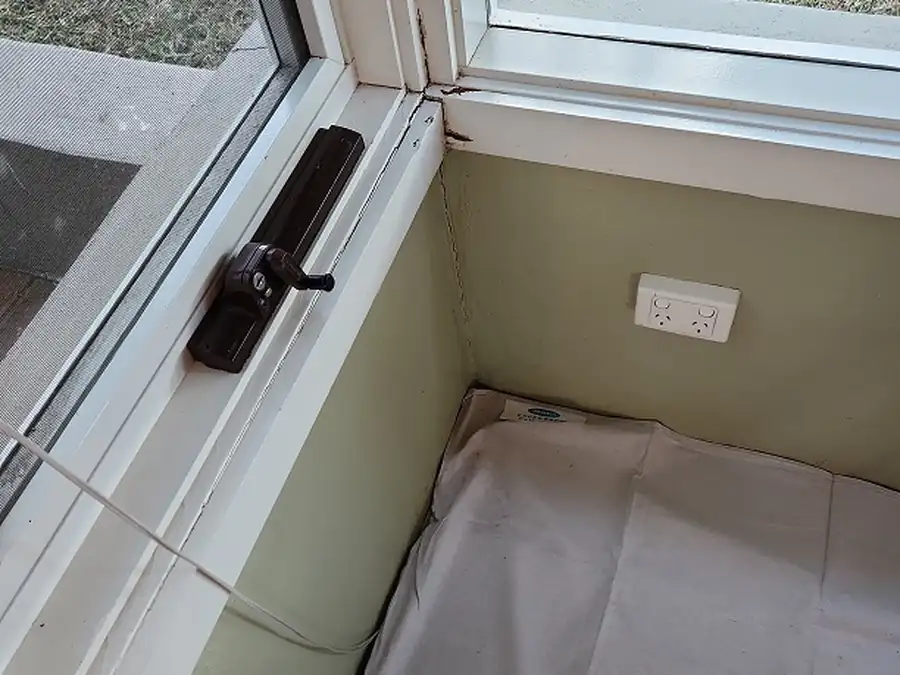
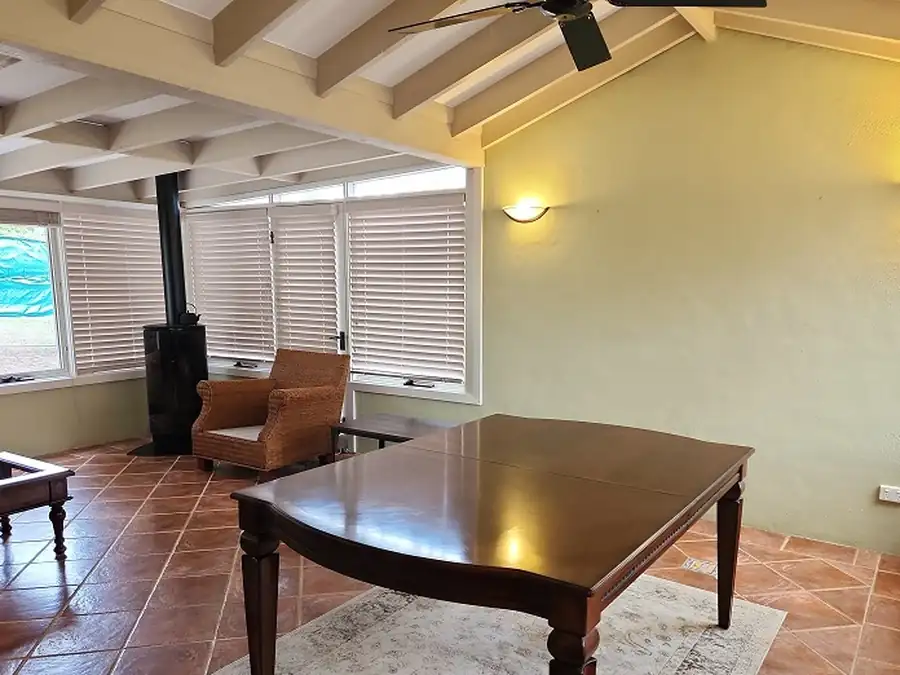
View the Bowral insurance repair and restoration project, or explore Insurance Repairs and Make-Safe Projects.
Related insurance pathways
 Building InspectionsInspect building condition and defects with the appropriate building and engineering expertise.
Building ReportsDocument findings, photographs, technical conclusions and repair recommendations for the agreed purpose.
Insurance Make-Safe ResponseArrange temporary protection, stabilisation and clear site handover records.
Building Repairs and Remedial WorksDeliver the engineering, design and construction needed to reinstate the building.
 Contents Insurance AssessmentsReview the separate contents-focused assessment pathway.
 Building Remedial ServicesInvestigate and rectify structural, concrete, waterproofing and other building defects.
For the wider service structure, visit Insurance Services or explore all Building Services.
Common questions
See our insurance repair planning questions for scope records, emergency work, quotations and clear repair responsibilities.
The fee depends on the property, damage complexity, records to review, access arrangements, specialist investigations and the report required. SCE confirms these items in the assessment scope so you can see what the fee covers. Testing, opening-up, design and repair pricing are identified where needed; a short visual inspection and a detailed technical assessment are different assignments.
It covers the accessible areas, visible condition, relevant damage or defects, available records and evidence requirements agreed for the assignment. The exact scope and deliverable depend on the property, referral question, access and intended reader.
Provide the site address, reason for referral, known event or concern, photographs, available reports, access details, stakeholder contacts and required timeframe. SCE uses these details to select the required expertise, plan access and confirm the assessment scope.
Yes. SCE documents the observed condition, relevant technical findings, evidence gaps and recommended repair scope for the claim assessment. The insurer or other authorised decision-maker remains responsible for policy interpretation, liability and claim decisions.
Yes. SCE agrees the written report and its intended use at the start. It records the assessment scope, inspected areas, relevant photographs, findings, limitations, further evidence needed and recommended next steps. Specialist results are included where they form part of the agreed assignment.
Yes. SCE brings together the required engineering design, specialist testing and certification services within the agreed brief, identifying the appropriate practitioners and their deliverables. A visual inspection alone is not a design certificate or statutory approval; any required independent decision remains with the appointed authority or certifier.
Yes. SCE can deliver temporary make-safe work and the subsequent engineering, design, procurement, construction, testing and handover for permanent repairs. We agree the authorised scope, responsibilities and programme for each stage before work proceeds.
SCE delivers building insurance assessments across Sydney and NSW, matching the team and specialist inputs to the property and required work. Provide the address, access requirements and timeframe so attendance and scope can be confirmed.
Share the property, referral question, known event or concern, available evidence, access details and required timeframe. SCE will confirm the assessment scope, required expertise, report deliverables and programme.