Route Preparation and Trenching
Set-out coordination, controlled excavation, access management and trench preparation against the current issued information.

Overhead-to-underground service conversion
SCE Corp delivers civil construction packages for relocating existing overhead services into underground corridors across Sydney and NSW. We plan excavation, conduits, pits, service interfaces and reinstatement around the network design, authority requirements, access and outage arrangements.
An overhead-to-underground conversion replaces an existing service route with a planned underground installation. SCE develops the civil package around the asset owner’s requirements, the proposed route and connection points, existing utilities, access and the sequence for transferring the service.
SCE can lead the agreed package through planning, procurement and construction, engaging qualified designers and licensed specialists where included in the delivery scope. Network approvals, outages, disconnection, reconnection and final acceptance remain under the control of the responsible asset owner and authorised parties.
Return to the Underground Services hub for the broader service pathway. A project creating a new underground service without converting existing overhead infrastructure follows the separate Installation of New Services pathway.

Final inclusions depend on the issued design, asset-owner conditions, verified existing-service information, approvals, access, ground conditions and accepted contract scope.
Set-out coordination, controlled excavation, access management and trench preparation against the current issued information.
Placement of specified conduits, pits, chambers and entry points to the documented alignment, depth and material requirements.
Construction sequencing around verified existing assets, crossings, exclusion zones and restricted work areas using agreed controls.
Defined workfronts, temporary access, traffic or pedestrian interfaces and staging aligned with the accepted construction plan.
Approved embedment, backfill, compaction and surface reinstatement completed to the applicable project specification and hold points.
Agreed records and handover inputs for the responsible testing, commissioning, certifying and asset-owner parties.
SCE coordinates the civil construction package with appointed designers, surveyors, service locators and licensed specialists. Network approvals, switching, connection and energisation are controlled by the asset owner and authorised parties. Establishing those responsibilities early allows construction, inspections and the service transfer to be programmed together.
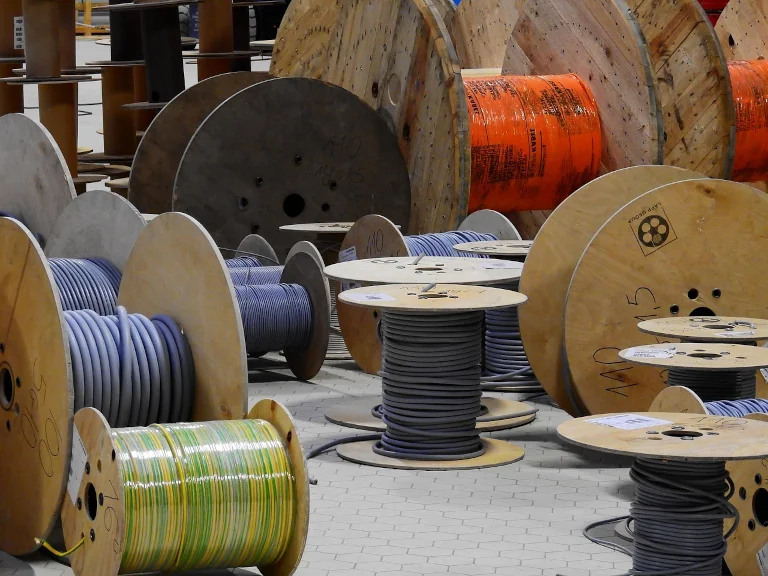
The images on this page illustrate materials that may be considered within an underground service corridor. They do not establish a particular network design, licensed scope, authority approval or completed SCE overhead-to-underground project.
Farshid MANESH’s service-relocation experience includes temporary and permanent utility relocations during the Terrigal Drive upgrade. Frank MANESH’s Epping and Thornleigh Stormwater Civil Works experience adds electrical conduits, drainage and under-line crossings. These career examples inform SCE’s planning of services, staging and reinstatement. Explore the wider Civil Infrastructure Projects collection for the scope of each example.
Assess the service type, issued design, route, asset-owner conditions, existing services, access, staging and approvals.
Record accepted civil works, exclusions, responsible parties, outage interfaces, hold points and handover requirements.
Coordinate the agreed excavation, conduit, pit, backfill and reinstatement activities with site and safety controls.
Complete agreed inspections and construction records for the responsible testing, commissioning and asset-owner parties.
Completed trenches, conduits and pits do not mean the replacement service is ready to operate. Before committing to an outage date, identify the inspections, testing, connection work and asset-owner acceptance needed for the transfer. The programme should name who confirms readiness and who is authorised to disconnect, reconnect or energise the service.
Keep removal of the existing overhead assets tied to the authorised transfer and decommissioning sequence. Where final reinstatement depends on later connection or inspection work, define the temporary surface, access arrangements and return visit in the scope. This makes the remaining work and its programme dependencies clear to the client.
Farshid MANESH’s Terrigal Drive experience includes temporary and permanent utility relocations. That background reinforces the need to distinguish interim arrangements from the final installation when coordinating access, service continuity and reinstatement.
Provide the best available information so SCE can assess construction fit without treating unresolved design, approval, licensing, outage or acceptance matters as complete.
Site address, service type, photographs, current overhead assets, known underground services, access and project programme.
Current drawings, proposed route, levels, conduit or pit details, crossings, connection points and specifications.
Network or utility owner, council requirements, approval status, connection conditions, permits and nominated responsible parties.
Known outage, disconnection, reconnection, energisation and licensed electrical or communications responsibilities.
Required inspections, testing, commissioning, survey, compaction, certification and asset-owner attendance requirements.
Surface finishes, temporary or permanent reinstatement, construction records and final acceptance deliverables.
Project controls are applied according to the accepted scope, contract requirements and site conditions. Review the SCE System for the delivery framework and the certifications and credentials verification page for current published evidence. Credentials do not replace project-specific design, utility approval, licensing, outage, testing, commissioning, connection or acceptance responsibilities.
It generally involves relocating an existing overhead service into an approved underground corridor. A project may require design, asset-owner approval, service locating, excavation, conduits or pits, licensed-trade work, outages, testing, reconnection, reinstatement and final acceptance by the responsible parties.
No. SCE reviews suitable construction packages case by case. Feasibility depends on the service and asset owner, issued design, authority requirements, existing assets, route, access, outage arrangements, licensed work, programme, safety and commercial fit.
The network or asset owner and relevant authorities set their approval and connection requirements. SCE can engage qualified designers and licensed specialists within the agreed delivery package, coordinate their inputs, and deliver the civil works. Each appointed party remains responsible for its design, licensed work, certification or approval.
Key factors include service type and length, route and depth, existing services, pits and connection points, ground conditions, access, traffic staging, outage requirements, approvals, testing, asset-owner attendance, spoil management and reinstatement. SCE reviews available information before confirming scope and commercial fit.
They may be required, depending on the service, network and approved methodology. The responsible asset owner, service provider and licensed parties determine and control outage, disconnection, reconnection, testing and energisation requirements.
Provide the site address, service type, current photographs, issued drawings, proposed route, known existing services, asset-owner details, approval status, access constraints, outage information, programme, testing requirements and reinstatement expectations.
SCE can review suitable projects across Sydney and NSW, subject to location, documentation, design and approval status, asset-owner requirements, access, programme, safety and commercial fit. Each enquiry is assessed before next steps are confirmed.
Share your site address, service type, photographs and available drawings, together with access, outage and programme requirements. SCE will assess the route, construction scope and specialist interfaces, then explain the practical delivery and procurement steps.