Route Preparation and Trenching
Set-out coordination, controlled excavation, access management and trench preparation against the current issued information.

Underground utility and service delivery
SCE Corp installs new underground services across Sydney and NSW, delivering trenching, pipelines, conduits, pits, backfill and surface reinstatement. Our engineering and construction team plans the route, procurement and construction sequence around existing utilities, site access and the requirements of your development or infrastructure project.
New service installation brings additional stormwater, sewer, water, electrical or communications infrastructure into a site. SCE develops the construction scope around routes, levels, materials, connection points and existing assets, then manages the civil installation and reinstatement as a connected package.
SCE combines engineering and design, procurement and construction through its qualified team and appointed specialists, or installs services to an issued design. Design, surveying, service locating and licensed trades are assigned to appropriately qualified and authorised parties. Utility approvals, asset-owner acceptance and statutory certification retain their independent requirements.
Return to the Underground Services hub for the broader pathway. Conversion of existing overhead infrastructure follows the separate Undergrounding Overhead Services pathway.
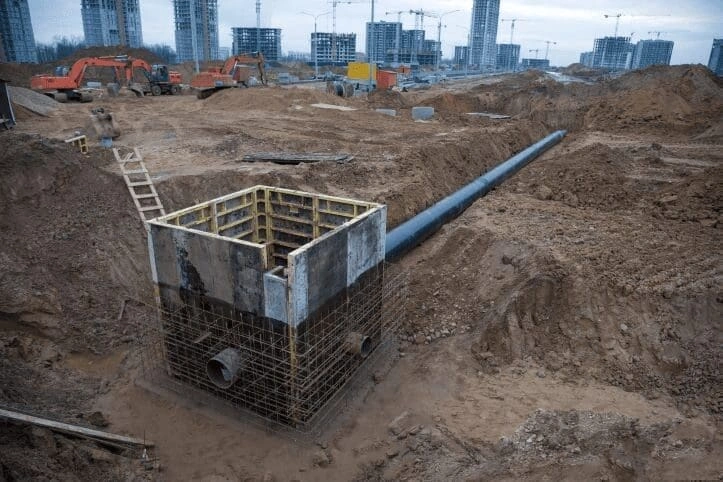
The proposal defines the service types, installation works, testing, connection interfaces and reinstatement. The construction method is developed around the ground conditions, existing assets and authority requirements.
Set-out coordination, controlled excavation, access management and trench preparation against the current issued information.
Placement of approved bedding, pipework or conduits to the documented alignment, depth, spacing and material requirements.
Defined pits, chambers, entry points and interfaces coordinated with adjoining structures, pavements and other services.
Construction sequencing around verified existing services, crossings and restricted work areas using the agreed controls.
Approved embedment, backfill and compaction activities completed to the applicable project specification and inspection points.
Defined surface reinstatement, construction records and handover inputs for the responsible testing, certifying or asset-owner parties.
SCE manages the agreed delivery package, including appointed designers, surveyors, service locators and licensed contractors where their work forms part of our scope. We establish responsibilities, inspections and handover requirements early so the installation and utility interfaces are planned together.
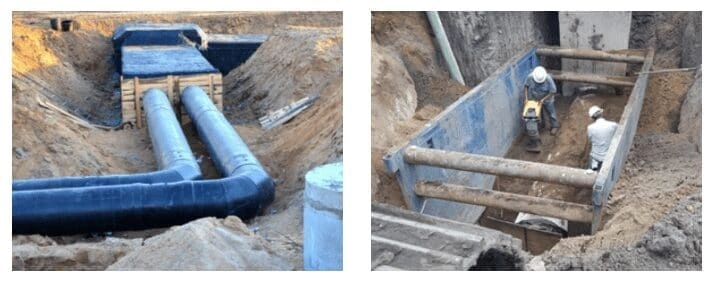
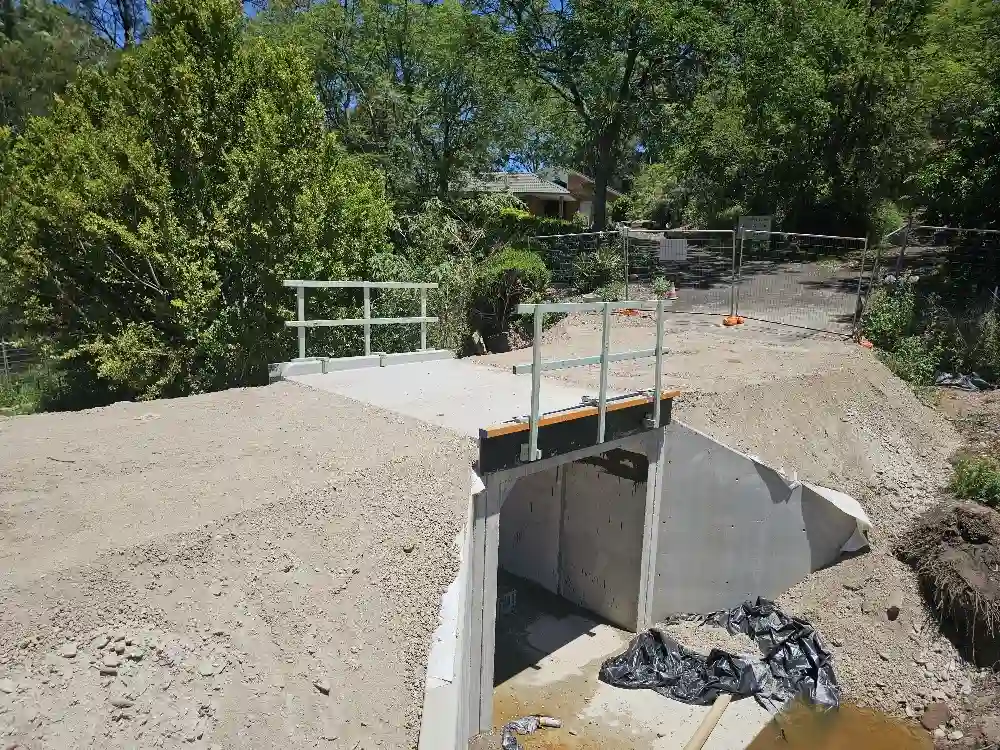
SCE's Mount Colah subdivision combined new stormwater and underground services, sewer relocation, earthworks and a suspended driveway. Rock excavation and the relationship between services and access construction were central to the delivery.
Frank MANESH brings wider infrastructure experience from Epping–Thornleigh, including 300–1350 mm stormwater pipelines, pits, electrical conduits and utility relocation in a rail corridor. His engineering, procurement and construction knowledge helps plan interfaces and installation sequences.
Farshid MANESH adds civil engineering, estimating and operations experience to scope development and site delivery.
For a wider view of completed-work evidence, browse Civil Infrastructure Projects.
Assess the issued design, service type, route, existing services, access, approvals, programme and project constraints.
Record accepted inclusions, exclusions, responsible parties, hold points, testing interfaces and handover requirements.
Deliver trenching, service installation, pits, backfill and reinstatement with the planned site and safety controls.
Complete the agreed inspections and construction records for the responsible testing, certifying and asset-owner parties.
Utility plans are a starting point, not proof of the exact position or depth of a pipe or cable. SCE coordinates the available records, site investigation, required locating or controlled exposure and the asset owner’s instructions before the affected work proceeds. The confirmed route and protection measures are incorporated into the installation sequence.
Our team also checks how the new route meets pits, building entries, roads and adjoining works, with inspection points agreed before backfilling. At the Mount Colah subdivision, stormwater, sewer relocation and underground services had to be coordinated with rock excavation and the driveway construction. Review Before You Dig Australia’s guide to utility plans for the distinction between records and on-site verification.
Share the information you already have. We can identify the next design, utility, access and construction decisions needed to develop the scope.
Site address, proposed service, photographs, current conditions, access constraints and the intended project programme.
Current drawings, route, levels, materials, pipe or conduit sizes, pits, crossings, connection points and specifications.
Available surveys, service-location information, known assets, exclusion zones, adjoining structures and workfront constraints.
Relevant owner, council, utility or asset-owner approvals, connection conditions, permits and nominated responsible parties.
Required inspections, testing, commissioning, survey, compaction, certification and asset-owner attendance requirements.
Surface finishes, temporary or permanent reinstatement, construction records and final handover deliverables.
Explore our service locations alongside the relevant construction services and project examples below.
Underground Services
Return to the immediate parent for the broader underground utility and service pathway.
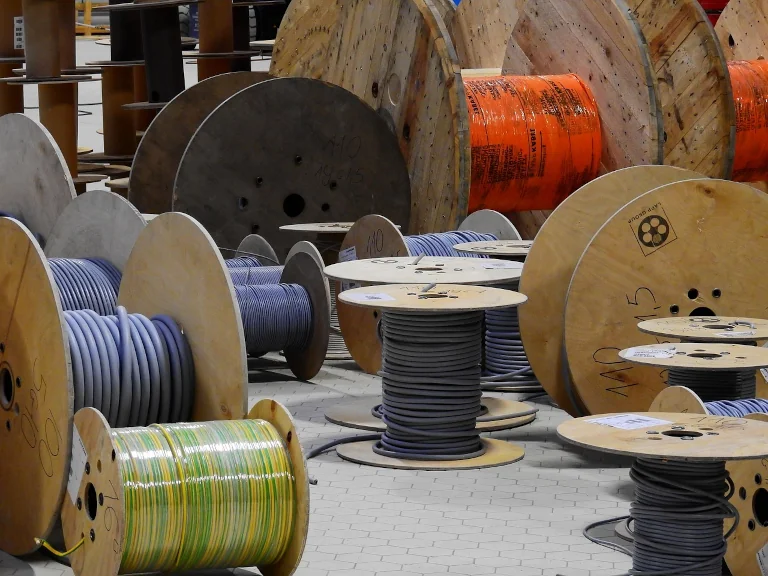 Undergrounding Overhead Services
Use the separate pathway for projects converting existing overhead infrastructure.
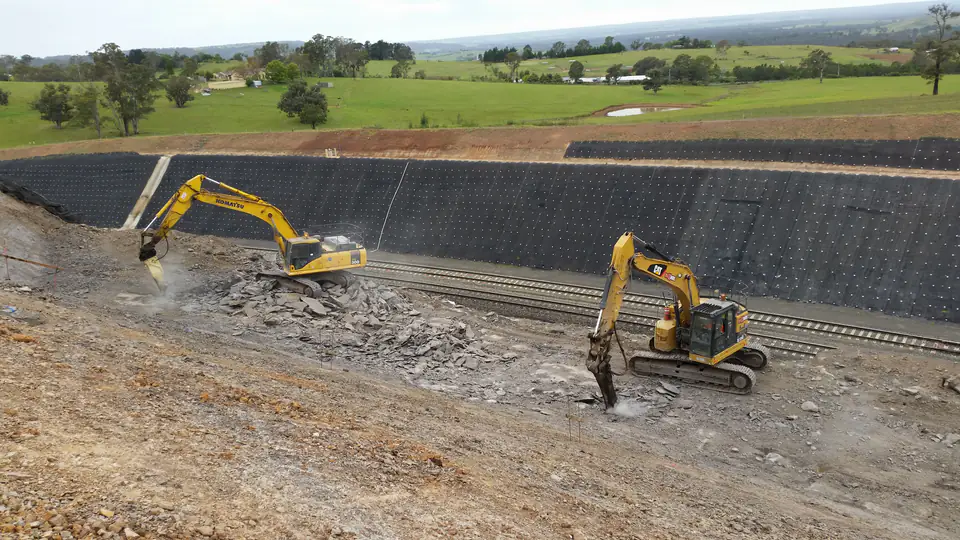 Earthworks, Concreting and Underground Services
Review the wider civil group for related excavation, concrete and underground packages.
Epping and Thornleigh Stormwater Civil Works
Explore the stormwater and utility work in Frank's infrastructure career.
 Civil Infrastructure Projects
Explore civil construction scope, challenges and completed works.
 SCE Project Tools
Organise early project information before submitting an enquiry.
Project controls are applied according to the accepted scope, contract requirements and site conditions. Review the SCE System for the delivery framework and the certifications and credentials verification page for current published evidence. Credentials do not replace project-specific design, licensing, inspection, certification, connection or authority responsibilities.
For the ground, access, scope and delivery decisions behind this work, explore our civil construction planning questions.
SCE delivers civil installation packages for new stormwater, sewer, water, electrical and communications infrastructure. The works can include trenching, bedding, pipelines or conduits, pits, crossings, backfill and reinstatement. Licensed trade work and connections are undertaken by appropriately authorised parties within the agreed delivery scope.
Yes. SCE can lead engineering, procurement and construction through its qualified team and appointed specialists, or work to an issued design. The appointment identifies who undertakes design, surveying, locating, testing and licensed work. Authority approvals, asset-owner acceptance and statutory certification remain with the responsible independent parties.
Utility plans are a starting point, not proof of the exact position or depth of a pipe or cable. SCE coordinates the available records, site investigation, required locating or controlled exposure and the asset owner’s instructions before the affected work proceeds. The confirmed route and protection measures are incorporated into the installation sequence.
The service route, existing assets, design details, materials, levels, connection points, access, permits, approvals, responsible parties, inspection points, testing requirements, reinstatement and handover records should be defined before construction proceeds.
This page covers new underground service installation within a defined project scope. Converting existing overhead electrical or communications infrastructure follows the separate Undergrounding Overhead Services pathway and requires its own authority, design, licensing and connection controls.
Key factors include service type and length, depth, ground conditions, existing services, access, traffic or site staging, design completeness, approvals, testing, authority attendance, spoil management and reinstatement. SCE assesses these inputs when developing the scope, programme and proposal.
SCE delivers new underground services across Sydney and NSW, coordinating local suppliers, suitable equipment and qualified site personnel for each location. We plan the installation, utility interfaces and reinstatement around the site’s access, operating requirements and construction programme.
Send the site address, service type, available plans, known existing services and target programme. We will discuss the installation scope, utility interfaces and the next steps towards a coordinated proposal.