New Rail Construction
For suitable civil packages associated with new rail infrastructure or a new corridor, subject to issued designs, approvals, rail controls, access and allocated responsibilities.
Explore New Rail Construction
SCE Corp delivers civil construction packages for rail corridors, stations and supporting infrastructure across Sydney and NSW. We combine engineering coordination, procurement and construction planning to resolve the service, access and programme interfaces that make rail work complex. The project scope establishes the required network controls and each party’s responsibilities.
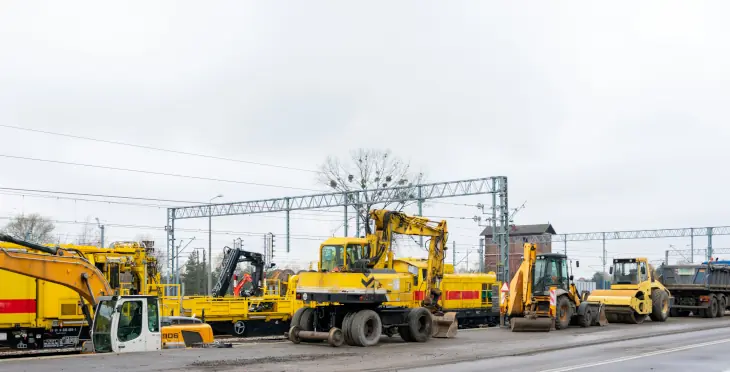
Explore two rail construction pathways: New Rail Construction for new infrastructure packages and Rail Upgrade for work associated with existing rail assets.
SCE combines rail programme experience with engineering coordination, procurement and civil construction delivery. The project team integrates the appointed designers, registered practitioners and specialist contractors into the agreed scope, with asset-owner decisions, network permissions, safeworking and independent certification assigned to the responsible parties.
Early review establishes how the civil works connect to rail systems, station operations and other work packages. SCE uses the available design and site information to identify construction dependencies and develop the delivery approach.
The asset condition and issued project scope determine which pathway is relevant. Where the boundary is unclear, provide the available documents for an initial scope review.
For suitable civil packages associated with new rail infrastructure or a new corridor, subject to issued designs, approvals, rail controls, access and allocated responsibilities.
Explore New Rail ConstructionFor suitable civil works associated with an existing rail corridor or asset, with staging, interfaces and operational constraints defined by the responsible project parties.
Explore Rail UpgradeThe accepted construction scope depends on the issued design, site conditions, rail environment, access controls and contractual allocation of responsibilities. Subject to those controls, a package may address:
Rail engineering and programme experience behind SCE. Managing Director Frank MANESH's career includes programme delivery on Sydney Metro City & Southwest, civil and services work on the Epping–Thornleigh project, and station refurbishment at Albion Park, Jannali and Gerringong.
SCE applies that experience to the relationship between construction methodology, underground services, access, procurement and the rail programme. Clients can bring an early scope or an established design for a practical delivery review, with specialist and network responsibilities incorporated into the package planning.
SCE uses the available project information to determine whether a proposed rail civil package is sufficiently defined and commercially suitable for further discussion.
Assess the scope, design status, site information, access rules, responsibilities and interfaces.
Clarify inclusions, exclusions, dependencies, hold points, records and handover requirements.
Develop the accepted construction sequence around authorised access and dependent rail controls.
Complete the agreed civil works and package records within the confirmed construction boundary.
A completed pit, conduit crossing or foundation is useful to the following trade only when its location, level, access and inspection status match that trade’s requirements. Establish those interfaces before excavation or concrete placement, including the drawings each party is working to and the records needed before work is covered.
Frank MANESH’s Epping–Thornleigh career work included drainage, pits, conduits and under-line crossings. That combination illustrates why services and civil work need a coordinated sequence: an unresolved crossing or inaccessible pit can hold up the following installation even when most of the surrounding civil work is finished.
Package handover should therefore identify the survey and as-built information, inspection releases, outstanding work and access conditions needed by the receiving party. Civil completion, rail-system testing and permission to operate are separate milestones, coordinated with the responsible network and specialist teams.
SCE plans and delivers the agreed civil works, coordinates construction and engineering interfaces, maintains the required quality records and provides construction close-out information for its contracted scope.
The responsible parties retain rail access, network operations, safeworking, design, technical acceptance, permits, isolations, systems integration, testing, certification and asset-owner approvals where applicable.
These SCE-controlled images provide general rail-upgrade and corridor context. They are not presented as SCE project evidence, proof of a particular asset, an approved methodology or confirmation of SCE's role on the depicted works.
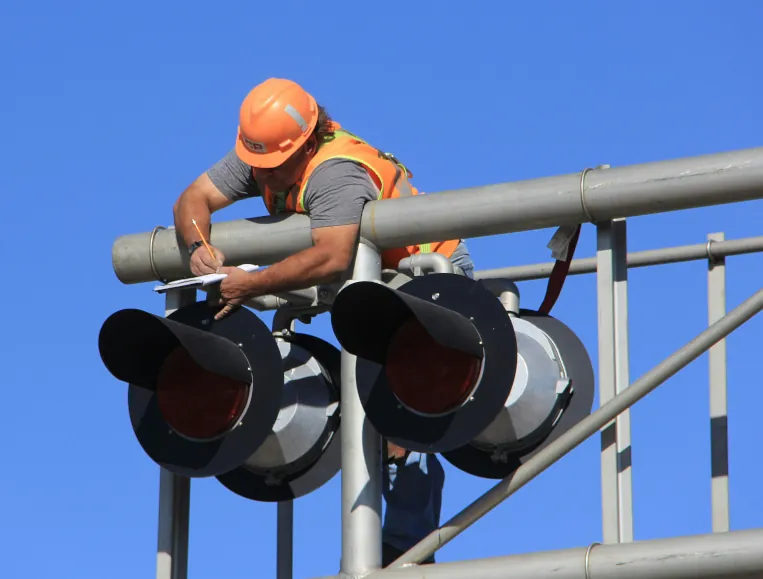
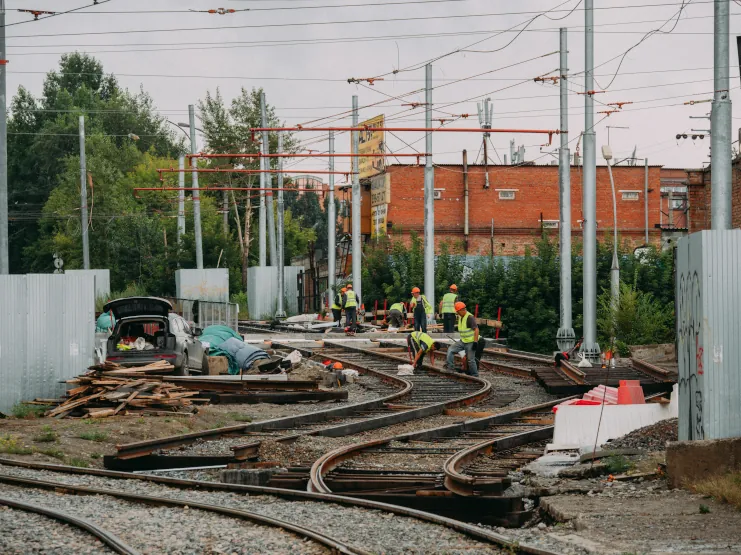
Useful early information includes the project location, scope summary, current drawings, design status, site and ground information, rail access requirements, nominated responsibilities, interfaces, staging, programme, inspection needs and procurement status.
Missing information is identified during review so that scope, access, programme or commercial assumptions are not treated as confirmed facts.
SCE reviews suitable civil construction packages associated with rail corridors, stations and supporting infrastructure. Acceptance depends on the issued scope, design status, site information, rail controls, access, allocated responsibilities and commercial fit.
Yes. This page directs enquiries to New Rail Construction for new infrastructure packages and Rail Upgrade for work associated with existing rail assets. The issued project documents determine the appropriate pathway.
Not through this general construction service page. Design, registered-practitioner work, certification, technical acceptance, rail safety and network approval remain with the appropriately appointed asset-owner, professional and rail-safety parties unless a separate written scope states otherwise.
Provide the location, scope summary, current drawings, design status, site and ground information, rail access requirements, nominated responsibilities, known interfaces, staging, programme, inspection needs and procurement information where available.
Potential staging can be reviewed against the available project information, but access, possessions, isolations, safeworking, network operations and dependent interfaces must be defined and controlled by the responsible parties before relevant work proceeds.
Access windows, possession requirements, permits, isolations, work boundaries and responsible rail-safety parties must be identified in the project documentation. SCE plans only within the access and controls confirmed for an accepted civil package.
No. The images provide illustrative rail construction and upgrade context only. They are not evidence of an SCE project, a particular rail asset, an approved methodology or a project outcome.
Use the contact pathway and provide the available scope, drawings, location, design status, access requirements, responsibilities, interfaces, staging and programme. SCE will review whether the proposed civil package is sufficiently defined and suitable for further discussion.
Send the available scope, drawings, site information, rail access requirements, responsibilities and target programme. SCE will review whether the proposed civil construction package is sufficiently defined and suitable for further discussion.