Issued Technical Basis
Issued pavement design, geotechnical information, specifications, drawings, levels, tolerances and material requirements establish what is to be built.

Defined flexible-pavement construction packages
SCE Corp delivers flexible pavement construction across Sydney and NSW, from formation preparation and pavement layers to asphalt surfacing, drainage interfaces and reinstatement. Our team can coordinate pavement engineering, procurement and construction within an agreed design and construct or EPC package.
Clear responsibility boundary
Farshid Manesh’s wider career experience includes heavy-duty pavement works at Port Botany and pavement design and construction at Kapooka. This experience supports practical planning of subgrade preparation, pavement layers, drainage, staging and quality controls.
Pavement composition, traffic loading, geotechnical inputs, drainage, testing and acceptance criteria are established through the project’s engineering and specialist appointments. SCE can coordinate those inputs and deliver the works to the agreed design, inspection plan and asset requirements.
Package readiness
A flexible-pavement package should provide enough issued information to separate construction responsibilities from design, testing, approval and asset-owner duties.
Issued pavement design, geotechnical information, specifications, drawings, levels, tolerances and material requirements establish what is to be built.
Access, staging, traffic, environmental, utilities, drainage and operational constraints are identified with responsibilities allocated.
Hold points, survey, testing, records, defects, acceptance and handover requirements are stated before work proceeds.
Potential construction scope
The final scope must follow the issued pavement design, project specification, inspection and testing plan, environmental controls, traffic arrangements and asset-owner requirements. A suitable package may include:
The agreed scope identifies the construction tasks, engineering and testing appointments, approval interfaces and records required for the pavement.
Project and team experience
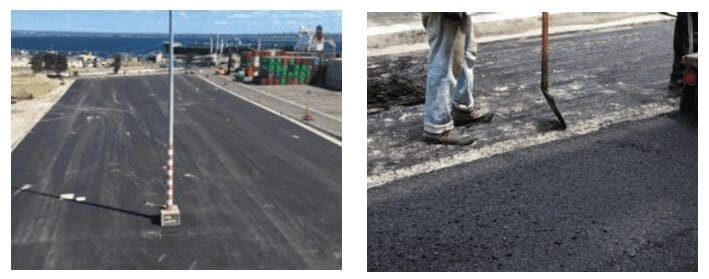
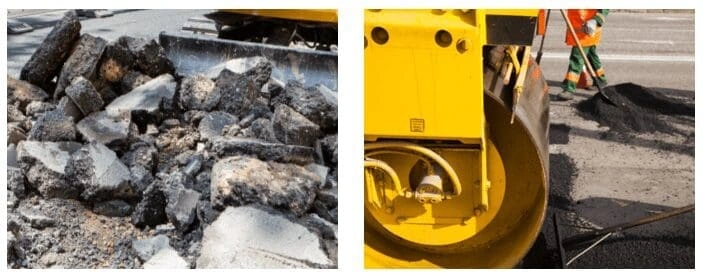
At Blackbutt, SCE combined deep excavation and lime stabilisation with rebuilt pavement layers, stormwater adjustments, kerbs and line marking. The original five-stage plan was reorganised into two work stages. This is a practical example of why pavement construction needs coordinated underground, surface and access planning. Port Botany provides complementary pavement and live-logistics experience from Farshid Manesh’s wider career.
Controlled review pathway
Confirm whether the package begins at existing ground, an exposed formation or a prepared base. Review the geotechnical information, existing layers and required treatment so excavation, replacement material and stabilisation are included in the construction scope.
Coordinate pavement levels with kerbs, pits, service covers and adjoining surfaces. Complete the required drainage and service-crossing work before covering those interfaces with the next pavement layer.
Plan survey, material and compaction checks against the inspection plan. Confirm that the receiving surface and access are ready before committing surfacing crews and deliveries; record unresolved defects or test results through the agreed process.
Agree the areas available for construction, temporary vehicle routes and criteria for returning each section to use. Include tie-ins, drainage, line marking and handover records in the programme, alongside the pavement itself.
Pavement intent boundary
This page concerns layered pavement systems that may use granular materials, sprayed seals or asphalt surfacing in accordance with the issued design and specification.
Concrete pavement systems have different structural, jointing, reinforcement, curing and finishing requirements. Review the separate Rigid Pavement Construction service.
Related pathways
Frequently asked questions
Flexible pavement is a layered pavement system designed to distribute traffic loads through specified surfacing, base, subbase and subgrade components. The exact composition, materials, thicknesses and acceptance criteria must come from the issued design and specification.
SCE delivers formation preparation, specified pavement layers, drainage and service interfaces, asphalt or seal interfaces, staging and reinstatement. We can also coordinate pavement engineering and specialist inputs through an agreed design and construct or EPC package.
SCE can coordinate flexible pavement design through appropriately qualified engineers and specialists within an agreed design and construct or EPC package. The project appointments define design, geotechnical, drainage and testing responsibilities, while statutory approvals, independent certification and asset acceptance remain with the relevant responsible parties.
Useful information includes the site location, project stage, issued drawings and pavement design, geotechnical information, specifications, survey levels, drainage and utility details, traffic or operational constraints, approvals, testing plan, programme and allocated responsibilities.
Flexible pavement generally uses layered granular and bituminous materials, while rigid pavement relies on concrete slabs and different structural, jointing, reinforcement and curing requirements. The issued design determines the required pavement system and construction controls.
Staged delivery may be considered where the issued traffic, access, safety and operational controls define how work areas, interfaces and handovers are to be managed. Feasibility depends on the specific site, programme and accepted scope.
Approval, certification, laboratory testing, design verification and asset acceptance remain with the parties appointed for those duties unless a particular coordination task is expressly included in SCE's accepted scope. No authority or certifier role is implied by this page.
Provide the site context, issued technical information, intended construction boundary, access and staging constraints, programme and responsibility matrix through the Contact SCE page. SCE can then assess whether the package is sufficiently defined for further discussion.
Share the site location, issued pavement information, project stage, access constraints and intended work boundary for an initial review of the construction package.