
Civil Services | Planned pavement renewal
Major Road Rehabilitation and Resurfacing Sydney NSW
Sydney Contracting Engineers (SCE Corp) delivers major road rehabilitation and resurfacing across Sydney and NSW for council, development, commercial and infrastructure projects. We integrate pavement renewal with drainage, services, traffic staging and construction delivery.
Our construction-first approach connects investigation and engineering inputs with procurement and the work sequence on site. This helps project teams address the cause of recurring pavement failure and plan how each completed stage returns to use.
Major Road Rehabilitation Scope and Assessment
Major maintenance is generally considered when isolated repairs no longer address recurring pavement distress, drainage problems, settlement, service reinstatement or broader asset-condition issues. It differs from routine or minor maintenance because the required treatment may extend beyond the wearing surface.
Early planning can review available drawings, reports, pavement history, photographs, traffic constraints, drainage information, underground-service records and the intended operational outcome. Where specialist investigation or design is required, SCE can coordinate construction interfaces with appropriately qualified consultants and relevant authorities.
- Existing pavement defects and likely treatment boundaries
- Access, work-zone and traffic-staging constraints
- Drainage, kerb, shoulder and service-interface conditions
- Available design, approval and procurement information
- Quality records, hold points and closeout requirements
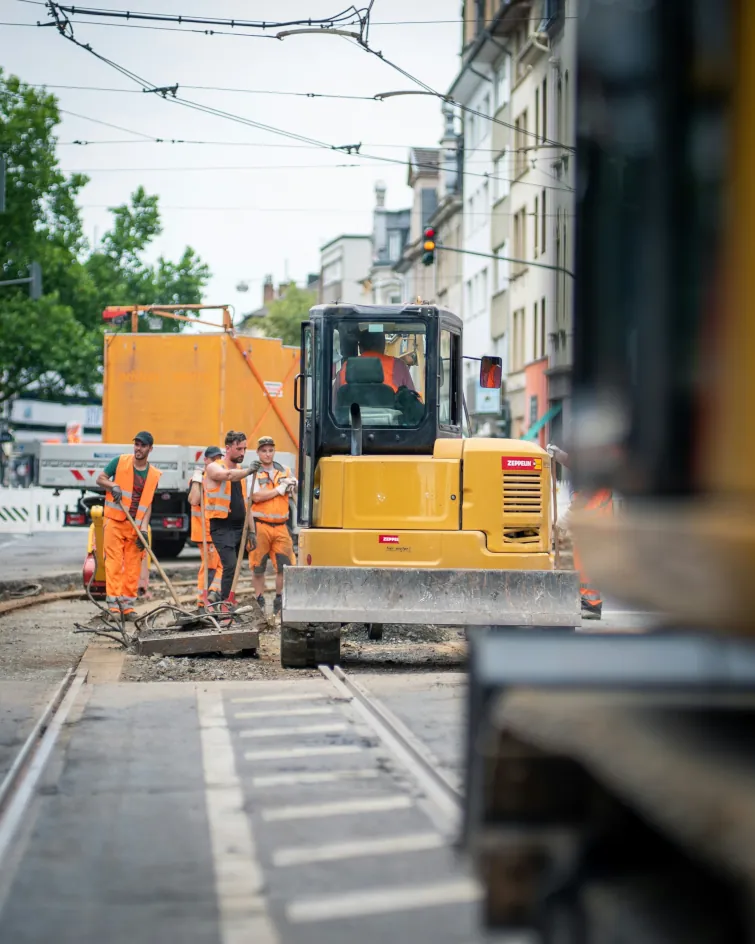
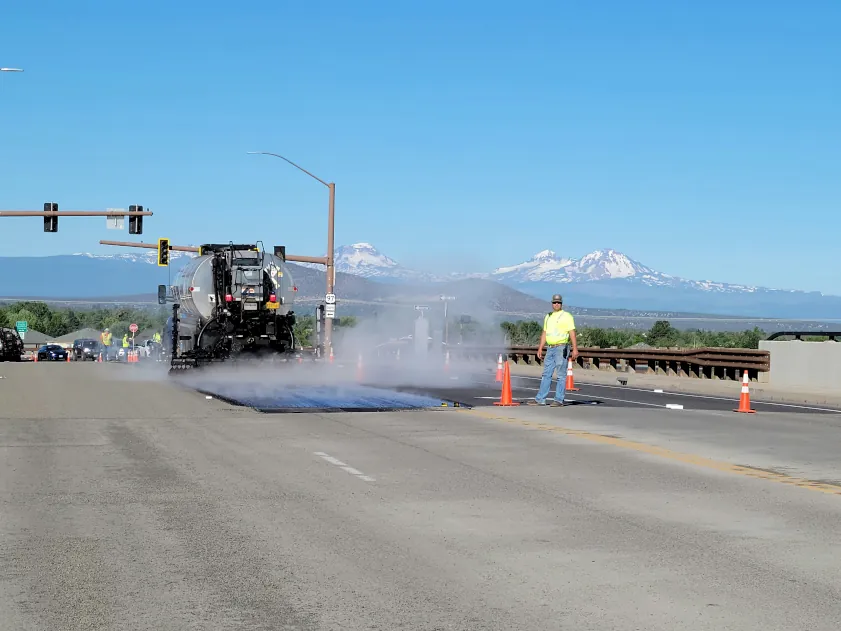
Pavement Reconstruction and Resurfacing Pathways
The appropriate pathway depends on confirmed pavement condition and the project requirements. A major road rehabilitation scope may include localised pavement reconstruction, base or subbase treatment, profiling or surface preparation, asphalt resurfacing, concrete pavement repair, shoulder or kerb interfaces, line marking and associated reinstatement.
Resurfacing alone is not a substitute for correcting an underlying structural, drainage or service-related cause. The treatment should follow the available investigation and design information, with specialist input where required.
Where the scope is new road formation rather than rehabilitation, review SCE's road construction services. The broader road, highway, bridge and dam services hub provides the surrounding civil-services pathway.
Drainage, Services and Traffic Staging
Road rehabilitation often interfaces with stormwater drainage, pits, kerbs, utility assets, adjoining access points and live traffic. These constraints should be identified before construction sequencing is finalised.
Depending on the project, delivery planning may coordinate temporary traffic arrangements, staged work fronts, service-location information, drainage upgrades, authority requirements and access for neighbouring properties or operational facilities. Traffic design, specialist engineering, service advice and statutory approvals remain with the appropriately qualified parties where applicable.
For service and drainage interfaces, see SCE's underground services pathway. Regional availability and local project context can be reviewed through the Service Locations hub.
Quality Records and Project Coordination
A controlled major-maintenance programme should define the scope boundaries, approved construction information, inspection and test requirements, hold points, material records, progress reporting and closeout documentation appropriate to the project.
SCE's role is construction delivery and coordination. The project team may also include designers, pavement specialists, traffic consultants, surveyors, service authorities, certifiers or registered practitioners where the scope requires them. NSW DBP-aware delivery applies where relevant to the regulated work.
Review the SCE System for the company's delivery framework and the certifications and credentials page for current verified information.
Plan Each Stage Around Its Reopening Criteria
A work window must accommodate removal, investigation of exposed conditions, reconstruction, inspections and the requirements for reopening. Agree how much pavement can be completed within that window before setting the extent of excavation. Include the tie-ins to existing surfaces, pit levels, drainage and access to adjoining properties.
New pavement is not ready for traffic simply because the laying equipment has left. The selected materials, curing or cooling requirements, testing and the road authority's acceptance criteria inform the release of each stage. Temporary ramps, exposed edges, incomplete line marking and construction traffic also need a defined treatment before access resumes.
Allow for deeper repairs or unsuitable ground revealed after removal. An agreed decision point for extending a repair, protecting the work or revising the next stage helps the team respond without treating an unfinished surface as a completed road.
When Major Road Maintenance May Be Suitable
Recurring Pavement Failure
Repeated patching, cracking, deformation or surface failure may justify a broader condition and treatment review.
Planned Asset Renewal
Owners and project teams may need a coordinated renewal scope aligned with access, staging, budget and operational constraints.
Drainage or Service Interfaces
Pavement distress linked to water, levels, pits, utility works or reinstatement may require integrated civil coordination.
Related Civil Services and Project Support
The Blackbutt pavement reconstruction combined deep excavation, lime stabilisation, rebuilt pavement layers, stormwater adjustments, kerbs, landscaping and line marking. It shows the connected ground, drainage and pavement activities that must be planned together in a substantial pavement-renewal package.
Road Maintenance Hub
Compare routine, minor and major road-maintenance pathways through the parent service.
View road maintenance servicesCivil Infrastructure Proof
Review relevant SCE civil-project evidence without treating illustrative service images as project proof.
View civil infrastructure projectsCivil Services
Explore the wider SCE civil construction and infrastructure service structure.
Explore Civil ServicesFor supporting context, read how road construction and civil infrastructure support stronger communities.
Frequently Asked Questions
These answers provide general construction-planning guidance. Project-specific requirements must be confirmed from the site, scope and relevant authority information.
What is the difference between minor road maintenance and major rehabilitation?
Minor maintenance generally addresses localised defects or routine upkeep. Major rehabilitation may involve broader pavement treatment, reconstruction, resurfacing, drainage or service interfaces and more detailed staging. The appropriate pathway depends on confirmed pavement condition and project requirements.
What information helps SCE review a major road rehabilitation enquiry?
Useful information includes the address and road authority, drawings, reports, pavement history, photographs, known drainage or service issues, traffic constraints, intended programme, procurement status and any available approval or design documentation.
Does SCE determine the pavement design or treatment?
SCE provides construction delivery and coordination. Where pavement investigation, engineering design, traffic design, surveying, certification or registered-practitioner input is required, those services must be provided or confirmed by appropriately qualified parties.
Can major road works include drainage and underground-service interfaces?
They can where those elements form part of the confirmed scope. Drainage, pits, kerbs, utility assets and previous service reinstatement may affect pavement performance and construction sequencing. Service-location information and specialist advice may be required before work proceeds.
Are approvals or traffic controls required?
Requirements depend on the road authority, land ownership, location, traffic impact, work-zone arrangement, environmental conditions and scope. Relevant approvals and traffic-management requirements should be confirmed with the responsible authority and qualified parties before construction.
How are cost and programme assessed?
Cost and programme are site-specific. They depend on investigation, quantities, treatment design, materials, access, staging, traffic requirements, drainage and services, approvals, working hours and procurement. SCE can review commercial fit after receiving sufficient project information.
Request a Project Suitability Review
Share the site address, drawings, reports, photographs, programme and known pavement, drainage, service or traffic constraints. SCE will identify the investigation, staging and delivery information needed to develop the construction scope.