Sediment build-up
Reduced depth, accumulated silt or obstructed inlets can indicate that investigation and removal planning are needed.

Golf course civil works
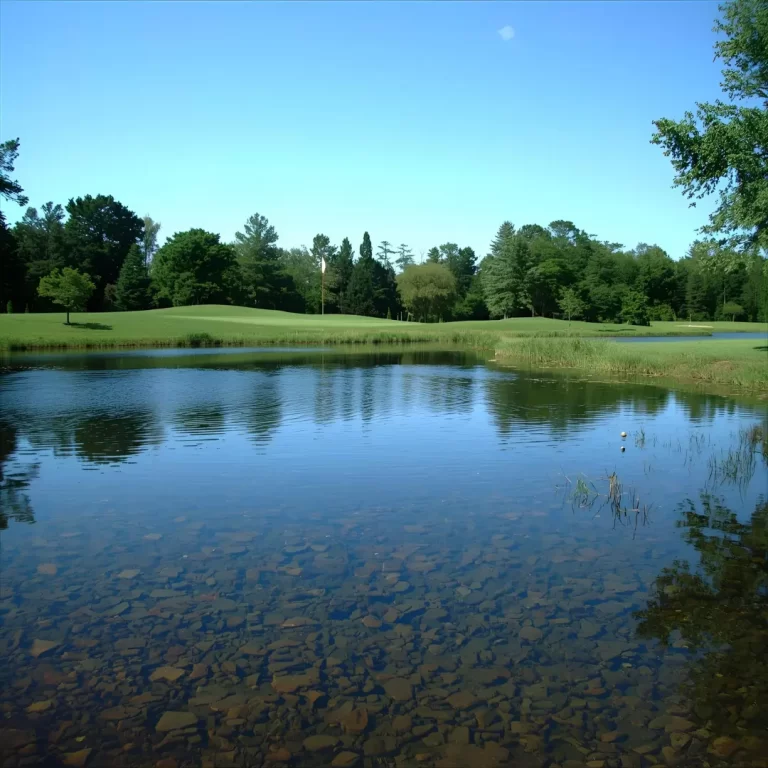
Golf course ponds can support irrigation, drainage, landscape character and play. When sediment, erosion, damaged edges or poor hydraulic performance affect the asset, restoration needs coordinated civil planning—not a cosmetic quick fix.
Sydney Contracting Engineers delivers civil construction packages across Sydney and NSW. We assess each pond restoration opportunity against site access, existing conditions, approvals, environmental controls, programme and commercial fit.
Read the asset, then plan the work
Visible water quality is only one part of the picture. A sound restoration brief should consider how the pond receives, stores and releases water; the condition of its banks and structures; and how construction can be completed around course operations.
Conditions vary widely, so the scope should be confirmed through appropriate site information and specialist input where required. That protects the course from assumptions and gives the delivery team a practical basis for staging, access and risk controls.
Reduced depth, accumulated silt or obstructed inlets can indicate that investigation and removal planning are needed.
Scour, slumping or unstable edges may affect safety, maintainability and the long-term shape of the pond.
Damaged or poorly performing inlet, outlet and overflow interfaces can compromise broader stormwater behaviour.
Degraded linings, structures, access points or landscape interfaces can require coordinated repair and reinstatement.
A project-specific construction package
A restoration package should respond to the verified condition of the pond and the intended operational outcome. Depending on the brief, construction may include elements from the following workstreams.
Plan plant access, exclusion areas, haul routes, dewatering interfaces and protection for nearby course assets.
Excavate or reshape verified areas, manage material handling and coordinate lawful classification, reuse or disposal.
Repair eroded edges and construct suitable stabilisation or erosion-control measures to the approved design.
Address relevant inlet, outlet, overflow, culvert or drainage interfaces within the agreed civil scope.
Repair or install specified pond linings, headwalls, pits and related structures where the design calls for them.
Restore disturbed access, edges and landscape interfaces so the completed area can return to its intended use.
SCE Corp’s earthworks, concrete and underground-services hub outlines the broader construction capability that can support a suitable pond or drainage package.
From condition to closeout
Algae, odour or cloudy water do not by themselves establish how much excavation is needed. Confirm whether the problem concerns water quality, sediment depth, storage capacity, a damaged structure or several interacting causes. Aeration or treatment advice and civil repairs may need to form different parts of the same plan.
A useful excavation brief identifies the surveyed removal area and levels, the information needed to assess sediment, and the agreed handling and destination of removed material. Also establish space for temporary handling, plant and haul access, nearby assets requiring protection and arrangements for managing water. Unknown quantities or handling requirements should be stated as pricing assumptions rather than hidden in a single pond-cleaning allowance.
Where the pond supplies irrigation, agree the required water availability with the course manager before planning a drawdown or work stage. Confirm who provides any temporary supply and what must be checked before the system returns to service.
Each project requires its own method, but a disciplined sequence helps a club, consultant team and contractor align the work before plant arrives.
Confirm the objective, site information, ownership interfaces, operational constraints and required specialist inputs.
Develop the construction methodology, access, staging, environmental controls, safety controls and quality checks.
Coordinate the civil work with active course areas, supervise the agreed scope and respond to verified site conditions.
Review completed work, record required outcomes, reinstate affected areas and close identified items.
Coordinate the whole construction interface
Golf course pond works can interact with irrigation, drainage, ecology, public or member access, buried services and everyday maintenance. Some projects may also require environmental, planning, design or approval input from appropriately qualified parties.
For the wider course setting, see the guide to golf club civil works and drainage, including paths, access, buried services and staging.
SCE delivers civil construction and integrated design-and-construct and EPC scopes through its construction capability and established engineering relationships. The appointment defines engineering and construction responsibilities alongside any ecological, water-quality or other specialist input. Independent certification and authority decisions remain with the appropriately appointed parties. Our ISO-certified management systems and verified credentials support structured quality, environmental and work health and safety controls.
Tell SCE Corp about the pond location, known condition, desired outcome, access constraints and programme. We will review the information and discuss whether the project fits our civil delivery capability.
Frequently asked questions
Common indicators can include sediment build-up, eroded or unstable banks, damaged inlet or outlet structures, restricted flow, deteriorated linings and maintenance access problems. The appropriate response depends on verified site conditions and the intended function of the pond.
Depending on the approved scope, work may include access preparation, sediment excavation, earthworks, bank stabilisation, drainage-interface repairs, specified lining or structural work and reinstatement. Specialist design, ecological or approval services may be separate requirements.
That depends on access, work zones, safety controls and course operations. Where practical, staging and clear exclusion areas can help reduce disruption, but the final arrangement must follow the project-specific construction and safety plan.
Requirements vary with the site, waterway context, vegetation, material handling and proposed work. The client may need advice from relevant authorities and appropriately qualified environmental, planning or design professionals before construction starts.
Controls should be selected for the verified site and construction sequence. They may address clean and dirty water separation, stabilised access, sediment containment, dewatering interfaces, stockpile management, weather monitoring and progressive reinstatement.
They may be considered where they form part of an approved design and coordinated scope. Equipment selection, electrical services, hydraulic performance, maintenance access and any specialist requirements should be resolved before installation.
Use the Contact SCE page and provide the location, photographs or available reports, known issues, access conditions, desired outcome and timing. The team will review the information and discuss suitability and the next practical step.