
NSW strata roof project guide
Strata Roof Remediation Planning in NSW: From Condition Evidence to Handover
A strata roof project can affect common property, multiple lots, access, temporary weatherproofing, drainage, services, residents, insurance, approvals and long-term maintenance.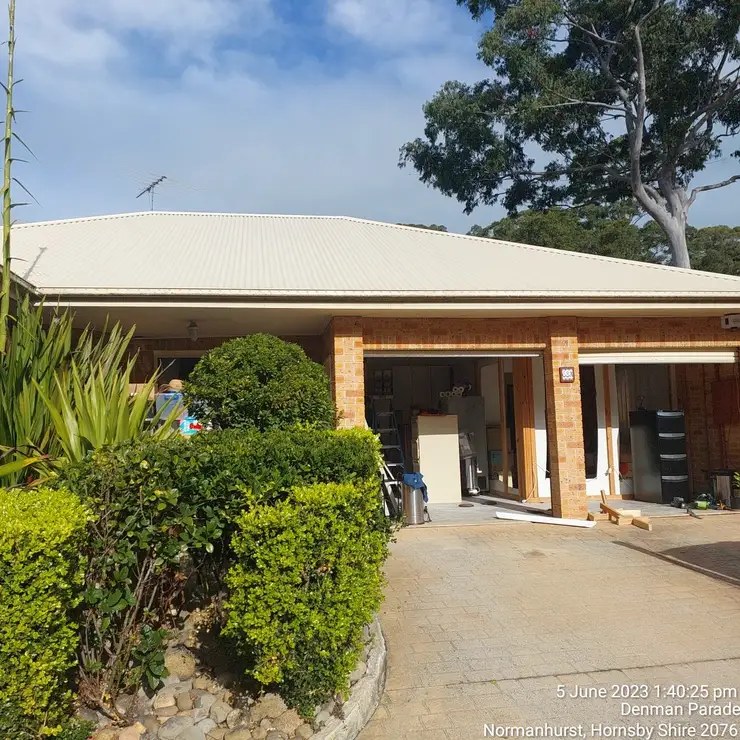
A useful programme begins before mobilisation and continues beyond installation. This guide assumes the owners corporation is considering a defined remedial or replacement pathway. If the first question is whether to repair, replace or stage the work, use SCE’s roof repair versus replacement guide.
Eight controls from evidence to handover
2. Separate immediate and permanent work
Temporary work may reduce immediate risk or loss, but should not be described as permanent rectification unless assessment and an accepted scope establish that outcome. Record its purpose, location, limitations, inspection needs and follow-up trigger.3. Define the full interface scope
Identify roof covering or membrane, substrate, insulation, sarking, supports, flashings, cappings, gutters, downpipes, overflows, penetrations, plant, solar equipment, vents, skylights, hatches, edge protection, walkways and adjoining façade or waterproofing interfaces.4. Confirm approval and procurement
The owners corporation is responsible for common-property maintenance and repair. Current NSW guidance says schemes must obtain at least two independent quotes for work valued at $30,000 or more, subject to the listed emergency-repair exception. Confirm by-laws, authority, resolutions, funding and current advice.5. Programme for exposure and occupation
Plan opening limits, daily temporary closures, material storage, lifting, wet-weather response, internal protection, sensitive equipment, noise, dust, work hours, fire egress and emergency access. Link resident notices to the live construction programme and update them when weather or discoveries change the sequence.6. Coordinate specialist inputs
Roof programmes may need separate designers, engineers, hazardous-material specialists, electricians, plumbers, mechanical contractors, scaffolders or access providers. State who designs, supplies, installs, inspects, declares, certifies and warrants each element.7. Use hold points and progressive handback
Possible hold points include substrate exposure, framing review, temporary weatherproofing, sample details, membrane preparation, flashing interfaces, penetrations, drainage testing, final inspection and records. Define the release authority and required evidence.8. Plan maintenance handover
Completion should identify installed and retained elements, approved changes, warranties, maintenance and inspection requirements, safe-access information and outstanding items. Update building maintenance and capital-works records where appropriate.Confirm readiness before opening the roof
A booked start date does not establish that the building can be exposed safely. Before each work area is opened, confirm that the forecast, available materials, crew, lifting arrangements and temporary protection support the planned closure. Agree who can stop the activity, how exposed areas will be secured and who responds if protection fails outside working hours.
SCE’s completed Normanhurst roof replacement combined gable removal, fire-rated insulation, the new Colorbond roof, ceiling linings and painting. The planning lesson is to programme the connected internal and external work together: closing the roof covering alone does not finish the affected building areas.
Build a comparable roof tender
Issue the same documents and return schedule to each tenderer. Compare scope, interfaces, access, temporary weatherproofing, products, assumptions, exclusions, programme, testing, warranties, closeout and unresolved risk—not only price.Full-service delivery: SCE delivers roof replacement and connected building works, coordinating engineering, design and licensed trade inputs where required. Each appointed party’s design, construction, inspection, declaration and certification responsibilities are defined for the project.
Use SCE’s roof design and replacement service, Roof Replacement Estimator, strata services, Normanhurst roof project, waterproofing remediation and the Remedial Planning Tool for the relevant next step.
Frequently asked questions
Who is responsible for a strata roof in NSW?
Current NSW Government guidance lists roofs and gutters as common-property examples generally managed by the owners corporation. Always check the registered strata plan, by-laws and project circumstances.Can temporary roof repairs be treated as the permanent solution?
Only if an appropriate assessment and accepted scope establish that outcome. A make-safe or temporary loss-mitigation measure should otherwise be recorded with its limits and follow-up requirements.Can a strata roof be replaced while residents remain?
It may be possible through project-specific staging, access and weather controls. Suitability depends on the building, roof system, exposure, egress, internal risk, services and programme.What should be compared between roof tenders?
Compare the same issued scope, interfaces, access, temporary weatherproofing, products, assumptions, exclusions, programme, testing, warranties, closeout and unresolved risk.Authoritative references
- NSW Government — Strata repairs and maintenance
- NSW Government — Emergency remedial building work
- NSW Government — Remedial building work
References checked 8 September 2026. General information only; obtain project-specific professional advice.